Some medications are simply too risky for older adults. The American Geriatrics Society's Beers Criteria identifies potentially inappropriate medications for people 65+. If your parent takes any of these, don't panic, but do discuss alternatives with their doctor.
Why Some Medications Are Risky in Elderly
Aging bodies process medications differently:
- Slower metabolism - Drugs stay in the body longer
- Reduced kidney/liver function - Harder to clear medications
- Changes in body composition - Fat-soluble drugs accumulate more
- More sensitive nervous system - Higher risk of confusion, falls
- Multiple medications - Greater chance of interactions
A medication that's perfectly safe at 45 may be dangerous at 75. The Beers Criteria helps identify these risky drugs.
The equipment that changes the most
Most of what caregiving costs is time. These four are the purchases that reliably buy some of it back, and they are the ones families tell us they wish they had bought sooner.
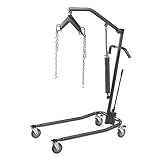 Drive Medical Hydraulic Patient Lift
A full lift is what makes one person able to manage a transfer alone. It is the single purchase that most often delays a move into residential care.
Check price on Amazon →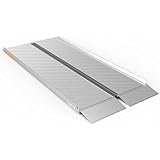 EZ-ACCESS Singlefold Wheelchair Ramp, 6 ft
Folds like a suitcase and carries in a car boot, so the same ramp handles the front step at home and the kerb at an appointment.
Check price on Amazon → Drive Medical Nitro Rollator with Seat
The seat matters more than the wheels. Being able to stop and rest is what decides whether someone still goes out at all.
Check price on Amazon → Vive Stand Assist Rail for Couch or Chair
Getting out of a low sofa is where most falls at home start. This is the cheapest thing on the list and often the first one needed.
Check price on Amazon →As an Amazon Associate we earn from qualifying purchases, at no extra cost to you. Researched guidance, not medical advice. Prices change, so check before buying.
The Most Problematic Drug Categories
Anticholinergic Medications (Highest Risk)
These drugs block the neurotransmitter acetylcholine. In elderly adults, they cause confusion, memory problems, constipation, urinary retention, dry mouth, and increased fall risk. Long-term use may increase dementia risk.
First-Generation Antihistamines
Tricyclic Antidepressants
Bladder Antimuscarinics
Sedative-Hypnotics & Benzodiazepines
Benzodiazepines
Non-Benzodiazepine Sleep Aids (Z-Drugs)
Pain Medications
NSAIDs (Long-Term Use)
Muscle Relaxants
Certain Opioids
Diabetes Medications
Sulfonylureas (Long-Acting)
GI Medications
Proton Pump Inhibitors (Long-Term)
Metoclopramide (Reglan)
Dangerous Over-the-Counter Medications
Many OTC drugs contain the same problematic ingredients as prescription medications:
Drug-Drug Interactions to Watch
Some dangerous combinations commonly seen in elderly patients:
- Warfarin + NSAIDs - Greatly increased bleeding risk
- ACE inhibitors + potassium supplements - Dangerous potassium levels
- Multiple sedating medications - Compounded fall and confusion risk
- Metformin + contrast dye - Risk of lactic acidosis
- Digoxin + amiodarone - Digoxin toxicity
- SSRIs + tramadol - Serotonin syndrome
How to Talk to the Doctor
If you notice your parent is on a potentially inappropriate medication:
- Bring a complete medication list to the appointment, including OTC drugs and supplements
- Ask specifically: "I've read that [medication] may have risks for older adults. Is there a safer alternative?"
- Share any symptoms: Falls, confusion, dizziness, constipation, these may be medication side effects
- Request a medication review: Ask the doctor or pharmacist to review all medications for appropriateness
- Consider a geriatrician: Doctors specializing in elderly care are most familiar with appropriate prescribing
The Annual Medication Review
Every year, your parent should have a complete medication review:
- Bring all medications - Including bottles, OTC drugs, supplements
- Review each one: Is it still needed? Is the dose appropriate?
- Check kidney and liver function - May require dose adjustments
- Discuss any new symptoms - Could be medication side effects
- Ask about alternatives - Especially for Beers list medications
Medicare Annual Wellness Visit includes a medication reconciliation, take advantage of this free benefit.
What To Do If You're Concerned
- Don't panic or stop medications - Some "inappropriate" medications are still the best option in certain situations
- Document your concerns - Note specific symptoms you've observed
- Schedule an appointment - Specifically to discuss medications
- Consult a pharmacist - They can identify interactions and suggest alternatives
- Get a second opinion - If needed, consult a geriatrician
Keep Medications Organized
Our caregiver resources include medication tracking tools to keep everything organized and catch potential problems early.
View Caregiver Resources