Managing Doctor Appointments for Elderly Parents
A 15-minute doctor appointment goes by fast. If you're not prepared, you'll leave with unanswered questions and forgotten concerns. With multiple specialists, test results, and health issues to track, managing your parent's medical appointments requires organization and advocacy.
Your parent may forget what the doctor said before they leave the building. You're there to listen, ask questions, take notes, and make sure nothing important gets missed.
Before the Appointment
Gather Information
- Updated list of all medications (prescription, OTC, supplements)
- Insurance cards (Medicare, supplemental, Part D)
- List of other doctors your parent sees
- Recent test results or records from other doctors
- Advance directives and healthcare proxy documents
Write Down Questions
- List all symptoms and concerns, even "minor" ones
- Note when symptoms started, what makes them better/worse
- Write down YOUR questions (family often notices things patient doesn't)
- Prioritize, put most important questions first
- Ask your parent what they want to discuss
Logistics
- Confirm appointment time and location
- Check if they need to fast or prepare in any way
- Plan for transportation and mobility needs
- Arrive early for paperwork
- Bring snacks if it may be a long wait
The equipment that changes the most
Most of what caregiving costs is time. These four are the purchases that reliably buy some of it back, and they are the ones families tell us they wish they had bought sooner.
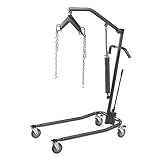 Drive Medical Hydraulic Patient Lift
A full lift is what makes one person able to manage a transfer alone. It is the single purchase that most often delays a move into residential care.
Check price on Amazon →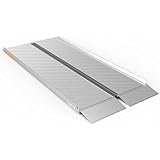 EZ-ACCESS Singlefold Wheelchair Ramp, 6 ft
Folds like a suitcase and carries in a car boot, so the same ramp handles the front step at home and the kerb at an appointment.
Check price on Amazon → Drive Medical Nitro Rollator with Seat
The seat matters more than the wheels. Being able to stop and rest is what decides whether someone still goes out at all.
Check price on Amazon → Vive Stand Assist Rail for Couch or Chair
Getting out of a low sofa is where most falls at home start. This is the cheapest thing on the list and often the first one needed.
Check price on Amazon →As an Amazon Associate we earn from qualifying purchases, at no extra cost to you. Researched guidance, not medical advice. Prices change, so check before buying.
During the Appointment
Let Your Parent Lead (When Possible)
If your parent is cognitively able, let them speak first. The doctor needs to hear from the patient. But be ready to:
- Fill in details they forget or minimize
- Provide specific examples (dates, frequency)
- Speak up if something isn't addressed
- Ask for clarification when needed
Take Notes
- Write down everything important
- Record the diagnosis or assessment
- Note any medication changes
- Write down instructions and next steps
- Ask permission to record the conversation
- What is the diagnosis or concern?
- What are the treatment options?
- What are the risks and benefits of each option?
- Are there any medication changes?
- What symptoms should we watch for?
- When should we follow up or call?
About Medications
- Why is this medication being prescribed?
- Does this interact with any current medications?
- What are the common side effects?
- What time of day should it be taken?
- Should it be taken with food?
- Is there a generic version?
If Something Isn't Clear
Don't leave confused. Say:
- "Can you explain that in simpler terms?"
- "I want to make sure I understand, you're saying..."
- "What would you do if this were your parent?"
- "Can you write that down for me?"
If you feel a concern isn't being taken seriously, advocate firmly: "I'm worried about this. Can we do more testing?" or "This is affecting their quality of life. What else can we try?" You know your parent better than the doctor does.
After the Appointment
Right After
- Review your notes while they're fresh
- Explain what happened to your parent in simple terms
- Stop at pharmacy if prescriptions were sent
- Schedule follow-up appointments before leaving
At Home
- Update your medication list with any changes
- Update family members on what happened
- Put follow-up appointments on calendar
- File any paperwork or test results
- Set reminders for any action items
Managing Multiple Specialists
Common Specialists for Elderly
- Primary care: The coordinator, sees the big picture
- Cardiologist: Heart conditions
- Neurologist: Dementia, Parkinson's, stroke
- Nephrologist: Kidney disease
- Endocrinologist: Diabetes, thyroid
- Pulmonologist: COPD, breathing issues
- Geriatrician: Specialists in elderly care
Coordination Strategies
- Designate primary care as the "hub"
- Request that specialists send notes to primary care
- Bring records from other doctors to appointments
- Keep your own complete record of everything
- Ask each doctor: "Who else should know about this?"
Telehealth Appointments
Many appointments can now be done by video. This is helpful when:
- Transportation is difficult
- It's a follow-up or medication check
- Your parent is homebound
- You're a long-distance caregiver
Telehealth Tips
- Test technology beforehand
- Have good lighting on your parent's face
- Have medications and notes ready
- Be in a quiet room
- You may need to help with the technology
When Your Parent Has Dementia
Additional Considerations
- Speak to the doctor privately before or after the visit
- Don't contradict your parent in front of the doctor, correct gently
- Provide written information the doctor can reference
- Bring examples of concerning behaviors or decline
- Ask about cognitive assessments if not being done
Call the office before the appointment and request a few minutes to speak with the doctor privately. You can share concerns your parent might deny or downplay. Many offices accommodate this if you ask ahead.
Getting Second Opinions
You have the right to seek another opinion for:
- Major diagnoses (cancer, dementia)
- Recommended surgeries
- When something doesn't feel right
- When treatment isn't working
Getting a second opinion is normal and expected. A good doctor won't be offended.
Tracking Everything
What to Keep Track Of
- All appointments (date, doctor, reason, outcome)
- Medications and changes
- Test results
- Diagnoses
- Hospitalizations and ER visits
- Insurance claims and bills
Tools That Help
- Binder with sections for each doctor
- Spreadsheet for medications and appointments
- Patient portal access (most health systems have these)
- Shared calendar with family
- Photo of medication bottles (quick reference)
Care Coordination Binder
Keep all medical information, appointments, and contacts organized in one place.
Get the Binder