Your parent's doctor says they have "dementia." Or is it "Alzheimer's"? You've heard both terms and they seem to mean the same thing, but they don't. Understanding the difference isn't just semantics. It affects diagnosis, treatment, what to expect, and how you plan.
Dementia is a general term describing symptoms. Alzheimer's is a specific disease that causes dementia. Think of it like "fever" (symptom) vs "flu" (disease that causes fever). All people with Alzheimer's have dementia, but not everyone with dementia has Alzheimer's.
What Is Dementia?
Dementia is not a disease itself. It's a term describing a group of symptoms affecting:
- Memory: Forgetting recent events, repeating questions, losing track of time
- Thinking: Difficulty with reasoning, problem-solving, planning
- Language: Trouble finding words, following conversations
- Behavior: Personality changes, mood swings, inappropriate actions
- Daily function: Difficulty with familiar tasks like cooking, managing money, driving
For symptoms to be called dementia, they must be severe enough to interfere with daily life. Mild forgetfulness ("Where did I put my keys?") isn't dementia. Being unable to remember what keys are for, that's dementia.
Dementia Is Caused by Brain Damage
Something damages brain cells and how they communicate. What causes that damage determines the type of dementia:
- Alzheimer's disease: 60-80% of cases
- Vascular dementia: 10-20% of cases
- Lewy body dementia: 5-10% of cases
- Frontotemporal dementia: Less common, often younger onset
- Mixed dementia: Combination of types
- Other causes: Parkinson's disease, Huntington's, alcohol-related, HIV-related, and more
The equipment that changes the most
Most of what caregiving costs is time. These four are the purchases that reliably buy some of it back, and they are the ones families tell us they wish they had bought sooner.
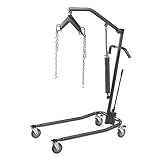 Drive Medical Hydraulic Patient Lift
A full lift is what makes one person able to manage a transfer alone. It is the single purchase that most often delays a move into residential care.
Check price on Amazon →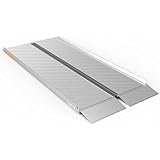 EZ-ACCESS Singlefold Wheelchair Ramp, 6 ft
Folds like a suitcase and carries in a car boot, so the same ramp handles the front step at home and the kerb at an appointment.
Check price on Amazon → Drive Medical Nitro Rollator with Seat
The seat matters more than the wheels. Being able to stop and rest is what decides whether someone still goes out at all.
Check price on Amazon → Vive Stand Assist Rail for Couch or Chair
Getting out of a low sofa is where most falls at home start. This is the cheapest thing on the list and often the first one needed.
Check price on Amazon →As an Amazon Associate we earn from qualifying purchases, at no extra cost to you. Researched guidance, not medical advice. Prices change, so check before buying.
What Is Alzheimer's Disease?
Alzheimer's disease is a specific brain disease that causes dementia. It's the most common cause, but it's not the only one.
What Happens in Alzheimer's
In Alzheimer's disease, two abnormal proteins build up in the brain:
- Amyloid plaques: Clumps of protein that build up between nerve cells
- Tau tangles: Twisted fibers inside nerve cells
These proteins damage and kill brain cells, starting in the hippocampus (memory center) and spreading throughout the brain over years. This is why memory problems typically come first in Alzheimer's, followed by other cognitive issues.
Alzheimer's Progression
Alzheimer's typically progresses through stages:
- Preclinical: Brain changes happening, no symptoms yet (can last years or decades)
- Mild Cognitive Impairment (MCI): Noticeable memory problems, daily function mostly preserved
- Mild Alzheimer's: Memory loss affecting daily life, getting lost, trouble with money
- Moderate Alzheimer's: Needs help with daily activities, confusion, behavioral changes
- Severe Alzheimer's: Cannot communicate, needs full-time care, physical decline
Average progression is 4-8 years after diagnosis, but some people live 20+ years.
There is currently no cure for Alzheimer's disease. Treatments can temporarily improve symptoms or slow progression in some people, but the disease continues advancing. Planning for progressive decline is essential.
Other Types of Dementia
Vascular Dementia
Caused by reduced blood flow to the brain (strokes, small vessel disease):
- Often starts with thinking and planning problems, not memory
- May have step-wise decline (sudden worsening after strokes)
- Risk factors: high blood pressure, diabetes, heart disease, smoking
- Some progression can be slowed by treating underlying vascular disease
Lewy Body Dementia
Caused by abnormal protein deposits (Lewy bodies) in the brain:
- Fluctuating alertness and attention (good days and bad days)
- Visual hallucinations (often detailed, of people or animals)
- Movement problems similar to Parkinson's disease
- REM sleep behavior disorder (acting out dreams)
- Dangerous sensitivity to antipsychotic medications
Frontotemporal Dementia
Affects the front and side regions of the brain:
- Often starts with personality and behavior changes, not memory
- May show poor judgment, impulsivity, inappropriate behavior
- Can affect language early (difficulty speaking or understanding)
- Often strikes younger (40s-60s)
- Memory may be preserved longer than in Alzheimer's
Mixed Dementia
Many people have more than one type of dementia at the same time, especially Alzheimer's plus vascular dementia. Autopsy studies suggest mixed dementia is more common than previously thought.
Why Diagnosis Matters
| Aspect | Why the Type Matters |
|---|---|
| Treatment | Different medications work for different types; some are dangerous for specific types (antipsychotics and Lewy body) |
| Prognosis | Some types progress faster than others; vascular dementia may be partially preventable with lifestyle changes |
| Symptoms to Expect | Hallucinations, behavior changes, and movement problems vary by type |
| Caregiving Approach | Strategies differ; what works for Alzheimer's may not work for frontotemporal dementia |
| Family Risk | Genetic component varies by type |
Getting a Diagnosis
What Testing Involves
- Medical history: When symptoms started, how they've changed
- Cognitive testing: Memory, thinking, problem-solving assessments
- Physical exam: Neurological exam, checking reflexes, movement
- Blood tests: Rule out thyroid problems, vitamin deficiencies, infections
- Brain imaging: MRI or CT to look for strokes, tumors, shrinkage patterns
- Sometimes: PET scans, spinal fluid tests for amyloid/tau (more definitive for Alzheimer's)
Why Full Testing Matters
Some causes of dementia symptoms are reversible:
- Depression (pseudodementia)
- Medication side effects
- Thyroid problems
- Vitamin B12 deficiency
- Normal pressure hydrocephalus
- Infections
- Brain tumors
If one of these is causing symptoms, treating it may reverse the dementia. Without proper testing, a treatable cause could be missed.
For an accurate diagnosis, consider seeing a neurologist, geriatric psychiatrist, or memory specialist, not just a general practitioner. Accurate diagnosis is worth the extra effort.
Treatment Options
For Alzheimer's Disease
- Cholinesterase inhibitors: Donepezil (Aricept), rivastigmine (Exelon), galantamine (Razadyne), may temporarily improve or stabilize symptoms
- Memantine (Namenda): For moderate to severe Alzheimer's
- New anti-amyloid drugs: Lecanemab (Leqembi) and others, may slow progression in early stages but have significant risks
For Vascular Dementia
- Focus on preventing further strokes: blood pressure control, cholesterol management, diabetes control
- Cholinesterase inhibitors may have some benefit
For Lewy Body Dementia
- Cholinesterase inhibitors often help significantly
- Avoid antipsychotics, can cause severe reactions
- Treat movement symptoms carefully
For Frontotemporal Dementia
- No medications proven effective for the disease itself
- Antidepressants may help behavioral symptoms
- Focus on behavioral strategies and support
For All Types
- Treat underlying conditions (depression, sleep problems, pain)
- Regular physical activity
- Social engagement
- Cognitive stimulation
- Good nutrition
- Caregiver support
Dementia Care Resources
Our Dementia Care Kit includes symptom trackers, behavior logs, and care planning tools for all types of dementia.
Get the Complete Caregiver Kit- Dementia is a group of symptoms; Alzheimer's is a specific disease that causes dementia
- Alzheimer's causes 60-80% of dementia, but it's not the only cause
- Different types of dementia have different symptoms, treatments, and prognoses
- Accurate diagnosis matters for treatment decisions and planning
- Some causes of dementia symptoms are reversible, get proper testing
- Alzheimer's medications may help temporarily but don't cure the disease
- See a specialist for the most accurate diagnosis