Anemia in Elderly Parents: Recognizing a Hidden Health Problem
Your parent seems tired all the time. They're short of breath walking to the mailbox. They look pale. You might assume these are just signs of aging, but they could signal anemia, a common and often overlooked condition affecting nearly 1 in 4 people over age 85.
Anemia isn't a disease itself but a sign that something else is wrong. Finding and treating the underlying cause is essential, because untreated anemia increases falls, hospitalizations, cognitive decline, and mortality in elderly patients.
Seek immediate medical care if your parent has: severe fatigue or weakness preventing daily activities, chest pain or rapid heartbeat, fainting or severe dizziness, blood in stool (black, tarry, or red), or signs of active bleeding. Severe anemia can cause heart attack or stroke.
What Is Anemia?
Anemia means the blood doesn't have enough healthy red blood cells or hemoglobin to carry adequate oxygen to the body's tissues. Hemoglobin is the protein in red blood cells that carries oxygen.
Normal hemoglobin levels:
- Men: 13.5-17.5 g/dL
- Women: 12.0-16.0 g/dL
- Anemia: Below these levels (in elderly, often defined as less than 12 in women, less than 13 in men)
While hemoglobin levels may decrease slightly with age, true anemia is never a normal part of aging and always has an underlying cause that should be identified and treated when possible.
The equipment that changes the most
Most of what caregiving costs is time. These four are the purchases that reliably buy some of it back, and they are the ones families tell us they wish they had bought sooner.
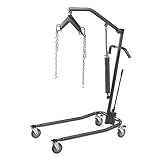 Drive Medical Hydraulic Patient Lift
A full lift is what makes one person able to manage a transfer alone. It is the single purchase that most often delays a move into residential care.
Check price on Amazon →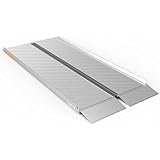 EZ-ACCESS Singlefold Wheelchair Ramp, 6 ft
Folds like a suitcase and carries in a car boot, so the same ramp handles the front step at home and the kerb at an appointment.
Check price on Amazon → Drive Medical Nitro Rollator with Seat
The seat matters more than the wheels. Being able to stop and rest is what decides whether someone still goes out at all.
Check price on Amazon → Vive Stand Assist Rail for Couch or Chair
Getting out of a low sofa is where most falls at home start. This is the cheapest thing on the list and often the first one needed.
Check price on Amazon →As an Amazon Associate we earn from qualifying purchases, at no extra cost to you. Researched guidance, not medical advice. Prices change, so check before buying.
Symptoms: What Anemia Looks Like in Elderly
Symptoms often develop gradually and may be mistaken for "just getting older":
Common Symptoms
- Fatigue and weakness: The hallmark symptom, feeling exhausted despite rest
- Shortness of breath: Especially with activity
- Pale skin: Especially noticeable in nail beds, gums, and inner eyelids
- Dizziness or lightheadedness: Especially when standing
- Cold hands and feet
- Rapid or irregular heartbeat
- Chest pain (in severe cases)
Less Obvious Symptoms in Elderly
- Cognitive changes: Confusion, difficulty concentrating, memory problems
- Depression: Low mood, loss of interest
- Falls: Weakness and dizziness increase fall risk
- Worsening heart failure: Heart must work harder with less oxygen
- Reduced exercise tolerance: Can't do what they used to
When elderly patients complain of being "tired all the time," it's often dismissed. But persistent fatigue warrants a simple blood test to check for anemia. Treatment can dramatically improve quality of life.
Common Causes of Anemia in Elderly
Iron Deficiency Anemia
Most common type
The body doesn't have enough iron to make hemoglobin. In elderly, often caused by:
- Chronic blood loss (GI bleeding from ulcers, colon polyps, cancer, or hemorrhoids)
- Poor dietary intake of iron
- Decreased iron absorption (often from medications like PPIs)
Anemia of Chronic Disease
Second most common in elderly
The body has iron stores but can't use them effectively due to chronic inflammation. Associated with:
- Chronic kidney disease
- Rheumatoid arthritis
- Inflammatory bowel disease
- Cancer
- Chronic infections
Vitamin B12 Deficiency
B12 is needed to make red blood cells. Common in elderly due to:
- Decreased stomach acid (reduces B12 absorption)
- Use of metformin or acid-reducing medications
- Pernicious anemia (autoimmune)
- Dietary deficiency (especially in vegetarians)
Also causes: Neurological symptoms, numbness, balance problems, memory issues
Folate Deficiency
Folate (vitamin B9) is needed for red blood cell production. Causes include:
- Poor diet (lack of vegetables and fortified grains)
- Alcohol use
- Certain medications
- Malabsorption conditions
Chronic Kidney Disease (CKD)
Kidneys produce erythropoietin (EPO), a hormone that stimulates red blood cell production. With kidney damage:
- Less EPO is produced
- Fewer red blood cells are made
- Common in elderly with diabetes, hypertension
Other Causes
- Bone marrow disorders: Leukemia, myelodysplastic syndrome
- Hypothyroidism: Low thyroid affects blood cell production
- Medications: Some chemotherapy, antibiotics, other drugs
- Unexplained anemia of elderly: When no cause is found (about 1/3 of cases)
Diagnosis
Blood Tests
- CBC (Complete Blood Count): Measures hemoglobin, red blood cell count, size, and other factors
- Reticulocyte count: Measures young red blood cells (shows if bone marrow is responding)
- Iron studies: Ferritin, serum iron, transferrin saturation
- B12 and folate levels
- Kidney function tests: BUN, creatinine
- Inflammatory markers: CRP, ESR
Further Testing May Include
- Stool test for blood: To check for GI bleeding
- Colonoscopy/endoscopy: To find source of bleeding
- Bone marrow biopsy: If blood disorders suspected
Don't just treat anemia, find out why it's happening. Iron deficiency in an elderly person often signals GI bleeding that needs investigation. Simply taking iron supplements without finding the cause could mask serious conditions like colon cancer.
Treatment
Treatment depends on the type and cause of anemia:
Iron Deficiency Anemia
- Iron supplements: Usually ferrous sulfate, taken 2-3 times daily
- Take with vitamin C (orange juice) to improve absorption
- Avoid with calcium, antacids, and dairy (interfere with absorption)
- Side effects: Constipation, stomach upset, dark stools (normal)
- Duration: Usually 3-6 months to replenish stores
- IV iron: If oral iron isn't absorbed or tolerated
- Critical: Must also treat the underlying cause of iron loss
Iron supplements commonly cause constipation, which is already an issue for many elderly. Preventive measures: adequate fluids, fiber, stool softeners. Alternative formulations (carbonyl iron, polysaccharide iron) may cause fewer GI side effects.
B12 Deficiency
- B12 injections: Weekly at first, then monthly (common for elderly with absorption issues)
- High-dose oral B12: May work for some
- Sublingual B12: Dissolves under tongue
- Usually lifelong treatment if absorption is the issue
Folate Deficiency
- Folic acid supplements: Usually 1mg daily
- Note: Always check B12 level first, treating folate deficiency can mask B12 deficiency and allow neurological damage to progress
Anemia of Chronic Disease
- Treat the underlying condition
- EPO-stimulating agents may help some patients
- Blood transfusions in severe cases
Chronic Kidney Disease
- EPO-stimulating agents (injections)
- Iron supplementation (often IV)
- Managing the kidney disease itself
Dietary Strategies
While supplements are usually needed to treat established anemia, diet can help prevent recurrence and support treatment:
Iron-Rich Foods
B12-Rich Foods
Folate-Rich Foods
- Vitamin C enhances iron absorption, have citrus with iron-rich meals
- Tea and coffee reduce iron absorption, avoid with meals
- Calcium interferes with iron, separate dairy and iron supplements
- Cook in cast iron, adds small amounts of iron to food
Monitoring and Follow-Up
- Blood tests every few weeks to months initially to check response
- Hemoglobin should improve within 2-4 weeks of starting treatment
- Full correction may take 2-3 months
- Iron stores (ferritin) take longer to replenish (3-6 months)
- B12 levels should be monitored if on replacement therapy
- Ongoing monitoring for recurrence
Impact on Daily Life
Untreated anemia significantly affects quality of life. Treatment often dramatically improves:
- Energy and ability to do daily activities
- Mental clarity and concentration
- Exercise tolerance
- Mood and motivation
- Fall risk (by reducing dizziness and weakness)
- Heart health (less strain on the heart)
Track Symptoms and Lab Results
Our Care Coordination Binder helps you track lab results, symptoms, and medication schedules, essential for managing chronic conditions like anemia.
Get OrganizedKey Takeaways
- Anemia is not normal aging: always has an underlying cause
- Fatigue and weakness are often dismissed: but warrant a blood test
- Finding the cause is critical: especially for iron deficiency (could indicate GI bleeding)
- Treatment is usually effective: significant improvement is possible
- Iron supplements cause constipation: plan preventive measures
- B12 deficiency can cause nerve damage: early treatment prevents progression
- Follow-up is important: ensure hemoglobin levels respond to treatment
Anemia is one of the most treatable conditions affecting elderly patients, yet it's often overlooked. If your parent is chronically tired, pale, or short of breath, don't assume it's just aging, a simple blood test can identify anemia, and treatment can significantly improve their quality of life.