Caring for an Elderly Parent with AFib: What Families Need to Know
Your parent was just diagnosed with atrial fibrillation, AFib, and you're worried. What does this mean? Will they have a stroke? Can they live a normal life? AFib is the most common heart rhythm disorder in older adults, affecting about 10% of people over 80. While it requires careful management, most people with AFib can live full, active lives.
This guide explains what AFib is, how it's treated, and what you can do as a caregiver to help your parent stay healthy and reduce their stroke risk.
Call 911 immediately if your parent experiences: sudden numbness or weakness (especially on one side), confusion or trouble speaking, severe chest pain, extreme shortness of breath, or fainting. These could be signs of stroke or heart attack.
What Is Atrial Fibrillation?
In a healthy heart, electrical signals cause the upper chambers (atria) to contract in an organized rhythm, pushing blood into the lower chambers (ventricles). In AFib, these electrical signals become chaotic, causing the atria to quiver rapidly and irregularly instead of contracting effectively.
This creates two main problems:
- Blood can pool and clot: When the atria don't contract properly, blood can pool and form clots. If a clot travels to the brain, it causes a stroke.
- Heart rate becomes irregular: The heart may beat too fast, too slow, or erratically, causing symptoms and potentially weakening the heart over time.
Types of AFib
- Paroxysmal AFib: Episodes come and go, usually lasting less than 7 days. May stop on its own.
- Persistent AFib: Episodes last more than 7 days and require treatment to restore normal rhythm.
- Long-standing persistent: Continuous AFib lasting more than 12 months.
- Permanent AFib: AFib that's always present; focus shifts to rate control and stroke prevention.
Some people have AFib without any symptoms. It's often discovered during a routine checkup or after a stroke. Smartwatches and home blood pressure monitors that detect irregular heartbeat have increased detection of silent AFib.
The equipment that changes the most
Most of what caregiving costs is time. These four are the purchases that reliably buy some of it back, and they are the ones families tell us they wish they had bought sooner.
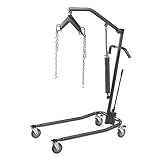 Drive Medical Hydraulic Patient Lift
A full lift is what makes one person able to manage a transfer alone. It is the single purchase that most often delays a move into residential care.
Check price on Amazon →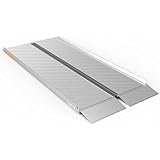 EZ-ACCESS Singlefold Wheelchair Ramp, 6 ft
Folds like a suitcase and carries in a car boot, so the same ramp handles the front step at home and the kerb at an appointment.
Check price on Amazon → Drive Medical Nitro Rollator with Seat
The seat matters more than the wheels. Being able to stop and rest is what decides whether someone still goes out at all.
Check price on Amazon → Vive Stand Assist Rail for Couch or Chair
Getting out of a low sofa is where most falls at home start. This is the cheapest thing on the list and often the first one needed.
Check price on Amazon →As an Amazon Associate we earn from qualifying purchases, at no extra cost to you. Researched guidance, not medical advice. Prices change, so check before buying.
Recognizing AFib Symptoms
Your parent may experience some, all, or none of these symptoms:
- Heart palpitations: Feeling like the heart is racing, fluttering, or "flopping"
- Fatigue: Unexplained tiredness, especially with activity
- Shortness of breath: Difficulty breathing, particularly during exertion
- Dizziness or lightheadedness
- Chest discomfort: Pressure, tightness, or pain
- Reduced exercise tolerance: Getting winded more easily than before
- Weakness or general malaise
Keeping a Symptom Log
Help your parent track episodes by noting:
- Date and time symptoms started and stopped
- What they were doing when it started
- What they ate or drank beforehand (caffeine, alcohol)
- Any triggers they noticed
- Symptoms experienced
- Pulse rate if measurable
Stroke Prevention: The Most Critical Priority
AFib increases stroke risk five-fold. Preventing stroke is the primary treatment goal, even more important than controlling the rhythm.
Understanding Stroke Risk: The CHA₂DS₂-VASc Score
Doctors use this scoring system to determine if blood thinners are needed:
| Risk Factor | Points |
|---|---|
| Congestive heart failure | 1 |
| Hypertension (high blood pressure) | 1 |
| Age 75 or older | 2 |
| Diabetes | 1 |
| Stroke or TIA (mini-stroke) history | 2 |
| Vascular disease (heart attack, peripheral artery disease) | 1 |
| Age 65-74 | 1 |
| Sex category (female) | 1 |
Most elderly patients score high enough to require blood thinners. A score of 2 or higher for men (3 for women) typically indicates anticoagulation is recommended.
Blood Thinners: Managing Anticoagulation
Blood thinners (anticoagulants) are the cornerstone of AFib treatment for stroke prevention. Understanding the options helps you support your parent's care:
Direct Oral Anticoagulants (DOACs)
These are now first-line therapy for most patients with AFib:
Apixaban (Eliquis)
Dosing: Usually twice daily. Food: Can take with or without food. Pros: Lower bleeding risk than warfarin, no regular blood tests needed. Kidney consideration: Dose adjustment needed for kidney disease.
Rivaroxaban (Xarelto)
Dosing: Once daily with dinner (must be with food). Pros: Convenient once-daily dosing. Cons: Higher GI bleeding risk; must take with food for proper absorption.
Dabigatran (Pradaxa)
Dosing: Twice daily. Pros: Has a specific reversal agent. Cons: Higher GI upset risk; must keep in original bottle (moisture-sensitive).
Edoxaban (Savaysa)
Dosing: Once daily. Note: Not for patients with very good kidney function (paradoxically); dose adjustment for kidney disease.
Warfarin (Coumadin)
The traditional blood thinner, still used in some situations:
- Requires regular INR blood tests (usually weekly to monthly)
- Target INR: Usually 2.0-3.0 for AFib
- Drug and food interactions: Many! Vitamin K foods (leafy greens) affect levels
- Still preferred for: Mechanical heart valves, severe kidney disease, cost concerns
Stopping blood thinners abruptly, even for a few days, significantly increases stroke risk. If your parent needs surgery, dental work, or is experiencing bleeding, contact their doctor for guidance. Don't make this decision alone.
Managing Bleeding Risk
Blood thinners increase bleeding risk. Help your parent by:
- Fall prevention: Remove rugs, improve lighting, use assistive devices, falls while on blood thinners can cause serious internal bleeding
- Use an electric razor instead of blade razors
- Soft toothbrush to reduce gum bleeding
- Be cautious with sharp objects in the kitchen
- Wear shoes instead of going barefoot
- Medical alert bracelet identifying anticoagulant use
Seek immediate medical care for: vomiting blood or coffee-ground material, black tarry stools or blood in stool, blood in urine, coughing up blood, severe headache with confusion, uncontrolled bleeding from any cut, or significant bruising after a fall.
Rate Control vs. Rhythm Control
Beyond stroke prevention, AFib treatment focuses on managing the heart rate and rhythm:
Rate Control
The goal is to slow the heart rate to a comfortable range (usually under 110 bpm at rest), even though AFib continues. This is often sufficient for older patients.
Medications used:
- Beta-blockers: Metoprolol, atenolol, carvedilol, slow heart rate
- Calcium channel blockers: Diltiazem, verapamil, also slow rate
- Digoxin: Sometimes added, especially in heart failure
Rhythm Control
The goal is to restore and maintain normal sinus rhythm. May be preferred for younger patients or those with significant symptoms.
Approaches include:
- Cardioversion: Electrical shock or medications to reset rhythm
- Antiarrhythmic drugs: Flecainide, propafenone, amiodarone, sotalol, keep heart in normal rhythm
- Ablation: Procedure to destroy tissue causing abnormal signals
Studies show that for many elderly patients, rate control is as effective as rhythm control for quality of life and survival. Don't be alarmed if your parent's doctor recommends "just" controlling the rate rather than aggressively pursuing normal rhythm.
Lifestyle Modifications
These changes can reduce AFib episodes and improve overall heart health:
Heart-Healthy Diet
- Mediterranean-style diet rich in fruits, vegetables, whole grains, fish
- Limit sodium to help control blood pressure
- Moderate alcohol (or none), alcohol is a major AFib trigger
- Limit caffeine if it triggers episodes (though moderate caffeine is okay for most)
- Avoid excessive fluid intake if heart failure is present
Exercise
- Regular moderate exercise is safe and beneficial for most AFib patients
- Walking, swimming, gentle cycling, whatever is enjoyable and sustainable
- Avoid extreme endurance exercise (ironman-level), which may worsen AFib
- Discuss exercise limits with cardiologist
Weight Management
- Obesity increases AFib risk and makes it harder to treat
- Weight loss can reduce AFib episodes and improve heart function
- Even 10% weight loss can make a significant difference
Sleep Apnea Treatment
- Sleep apnea is strongly linked to AFib
- Treating sleep apnea with CPAP reduces AFib episodes
- If your parent snores heavily, gasps at night, or has daytime sleepiness, request a sleep study
Common AFib Triggers to Avoid
- Alcohol: "Holiday heart", binge drinking triggers episodes
- Caffeine: May trigger some people (individual tolerance varies)
- Dehydration: Keep well-hydrated, especially in hot weather
- Stress: Strong emotions can trigger episodes
- Lack of sleep: Sleep deprivation increases risk
- Stimulants: Decongestants (pseudoephedrine), energy drinks, some supplements
Managing Medications
AFib patients often take multiple medications. Staying organized is essential:
Medication Management Tips
- Use a pill organizer with compartments for morning, noon, evening
- Set phone alarms for medication times
- Keep a written medication list with doses and times
- Never stop medications without consulting the doctor
- Report side effects: don't just stop taking the medication
- Pharmacy sync: Ask the pharmacy to synchronize all medications to one refill date
Drug Interactions to Watch
- NSAIDs (ibuprofen, naproxen) increase bleeding risk with blood thinners
- Antacids can affect some DOAC absorption
- Certain antibiotics interact with warfarin
- Grapefruit affects many heart medications
- Supplements like fish oil, vitamin E, ginkgo increase bleeding
Always check with the pharmacist or cardiologist before starting any new medication, supplement, or herbal remedy. This includes over-the-counter products.
Medical Appointments and Monitoring
Regular Appointments
- Cardiologist: Every 3-12 months depending on stability
- Primary care: For overall health management
- Anticoagulation clinic: If on warfarin (for INR monitoring)
What to Monitor at Home
- Pulse: Learn to check for irregular rhythm (or use a device)
- Blood pressure: Daily monitoring often recommended
- Weight: Sudden weight gain can indicate fluid retention/heart failure
- Symptoms: Track any changes to report to the doctor
Smart Devices for AFib
- Apple Watch: Can detect irregular rhythm (not a medical device, but useful for awareness)
- AliveCor Kardia: FDA-cleared personal ECG device
- Blood pressure monitors with AFib detection: Omron and others
Track Medications, Symptoms, and Appointments
Our Care Coordination Binder helps you keep all your parent's medical information organized in one place, essential for managing a chronic condition like AFib.
Get the BinderProcedures for AFib
When medications aren't enough, these procedures may be recommended:
Cardioversion
A brief electric shock delivered under sedation to reset the heart rhythm. Often effective but AFib may return.
Catheter Ablation
A catheter is threaded to the heart to destroy tissue causing abnormal signals. Success rates are 70-80% for paroxysmal AFib. May need repeat procedures.
Left Atrial Appendage Closure (LAAC/Watchman)
For patients who can't take blood thinners long-term. A device closes off the heart's left atrial appendage, where most AFib-related clots form. Not a first-line option but may be appropriate for some.
AV Node Ablation + Pacemaker
For severe, uncontrolled AFib. The AV node is destroyed and a pacemaker is implanted. The heart stays in AFib but the pacemaker controls the rate. Permanent; patient will always need blood thinners.
Living with AFib: Quality of Life
With proper management, most people with AFib can:
- Travel (bring medications and medical information)
- Exercise regularly (with appropriate modifications)
- Work and pursue hobbies
- Have procedures with proper anticoagulation management
- Live independently
Emotional Impact
An AFib diagnosis can cause anxiety, especially fear of stroke. Help your parent by:
- Reassuring them that AFib is manageable
- Emphasizing that taking medications prevents stroke
- Connecting them with support groups
- Addressing anxiety with their doctor if it's significant
Key Takeaways for Caregivers
- Stroke prevention is priority #1: ensure blood thinners are taken consistently
- Never stop anticoagulants without medical guidance, even for procedures
- Prevent falls: bleeding risk is higher on blood thinners
- Know stroke symptoms (FAST: Face drooping, Arm weakness, Speech difficulty, Time to call 911)
- Track symptoms and triggers to share with the cardiologist
- Help with medication management: pill organizers, reminders, refills
- Support healthy lifestyle: diet, exercise, limiting alcohol
AFib is a common condition that requires lifelong management, but it doesn't have to limit your parent's life. With proper treatment, vigilant monitoring, and lifestyle adjustments, most people with AFib live full, active lives for many years.