Nothing fractures families quite like caring for aging parents. Old rivalries resurface. Resentments about who does more, or less, simmer and boil over. Siblings who haven't spoken in years must suddenly make life-and-death decisions together. The one doing most of the work feels invisible. The one living far away feels guilty and excluded.
You're not alone. Family conflict is one of the most common, and painful, parts of caregiving. Understanding why it happens and how to navigate it can help you survive this chapter without losing your siblings, your sanity, or your relationship with your parent.
Caregiving stress activates our oldest patterns. Adult siblings regress to childhood roles. Unresolved issues from decades ago suddenly matter again. Add exhaustion, grief, fear of loss, and high-stakes decisions, it's a perfect storm for conflict.
Common Sources of Conflict
Unequal Division of Labor
This is the #1 source of caregiver family conflict. Typically, one person, usually a daughter, usually the one who lives closest, does the lion's share while others contribute little or nothing.
- "I do everything while they do nothing"
- "They have no idea how hard this is"
- "They swoop in for visits and criticize my care"
- "They say they'll help but never follow through"
Different Opinions About Care
- Should Mom stay home or move to assisted living?
- Is Dad safe to drive?
- Should we hire help or do it ourselves?
- How aggressive should medical treatment be?
- Is it time for hospice?
Money Issues
- How should parents' money be spent on care?
- Should the caregiving sibling be compensated?
- Concerns about inheritance
- Suspicion about financial decisions
- Disagreement about spending down assets vs. preserving inheritance
Old Family Dynamics
- Favoritism (real or perceived) from parents
- Childhood roles: "golden child" vs. "black sheep"
- Unresolved conflicts from the past
- Different relationships with parents
- Competition for approval that never really ended
Long-distance siblings often have two contradictory problems: they're criticized for not doing enough, yet when they offer input, they're told "you don't know what it's like day-to-day." This dynamic destroys relationships. Both perspectives have validity.
The equipment that changes the most
Most of what caregiving costs is time. These four are the purchases that reliably buy some of it back, and they are the ones families tell us they wish they had bought sooner.
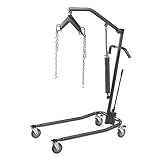 Drive Medical Hydraulic Patient Lift
A full lift is what makes one person able to manage a transfer alone. It is the single purchase that most often delays a move into residential care.
Check price on Amazon → EZ-ACCESS Singlefold Wheelchair Ramp, 6 ft
Folds like a suitcase and carries in a car boot, so the same ramp handles the front step at home and the kerb at an appointment.
Check price on Amazon → Drive Medical Nitro Rollator with Seat
The seat matters more than the wheels. Being able to stop and rest is what decides whether someone still goes out at all.
Check price on Amazon → Vive Stand Assist Rail for Couch or Chair
Getting out of a low sofa is where most falls at home start. This is the cheapest thing on the list and often the first one needed.
Check price on Amazon →As an Amazon Associate we earn from qualifying purchases, at no extra cost to you. Researched guidance, not medical advice. Prices change, so check before buying.
Understanding Different Perspectives
The Primary Caregiver's Perspective
- Exhausted, overwhelmed, possibly burned out
- Feels taken for granted
- Has given up career opportunities, personal time, freedom
- Sees the daily reality others don't
- May feel trapped and resentful
- Needs practical help, not just advice
The Long-Distance Sibling's Perspective
- Feels guilty about not being there
- May feel excluded from decisions
- Wants to help but doesn't know how
- May have different financial pressures or caregiving loads (children, job)
- Only sees parent occasionally, may notice decline more sharply
- May disagree with care choices but feels no right to speak up
The Uninvolved Sibling's Perspective
- May have complicated relationship with parent
- May be dealing with own health, financial, or family issues
- May feel they have nothing to offer
- May be in denial about parent's condition
- May have been pushed away or excluded early on
Strategies for Reducing Conflict
Hold a Family Meeting
A structured conversation can help, especially early in the caregiving journey.
- Set an agenda: What decisions need to be made?
- Include everyone: Video call for those who can't be there
- Focus on parent's needs: Not on who's right or wrong
- Share the reality: Primary caregiver explains what care actually involves
- List all tasks: Make invisible work visible
- Invite contribution: "What can you take on?"
- Consider a facilitator: Social worker, mediator, or family therapist
Write down every task involved in your parent's care: doctor appointments, medication management, grocery shopping, bill paying, yard work, emotional support visits, research about conditions, coordinating services. When siblings see the list, they often understand for the first time what's involved.
Divide Labor According to Ability
Not everyone can provide hands-on care, but everyone can contribute something:
- Hands-on care: Bathing, feeding, transportation
- Care coordination: Managing appointments, medications, services
- Financial tasks: Bill paying, insurance, benefits applications
- Research: Options for care, understanding conditions
- Respite: Taking over so primary caregiver gets breaks
- Emotional support: Regular calls with parent, visits
- Financial contribution: Paying for services if unable to provide time
Establish Regular Communication
- Weekly email update to all siblings
- Shared document or app for care notes
- Regular family calls (monthly at minimum)
- Group text for day-to-day updates
- No surprises, share important information promptly
Address Money Directly
- Be transparent about parents' finances (if you have access)
- Discuss how care costs will be covered
- Consider compensating the primary caregiver
- Document all spending
- Keep inheritance discussions separate from care discussions
The primary caregiver often sacrifices income, career advancement, and retirement savings. Family contribution toward their compensation, or agreement that they'll receive a larger inheritance, can be fair. This should be documented legally, especially if Medicaid may be needed (look-back period issues).
Handling Specific Conflicts
"You're Not Doing Enough"
If you're the primary caregiver feeling unsupported:
- Be specific: "I need someone to take Mom to appointments on Tuesdays"
- Express your feelings without attacking: "I'm exhausted and I need help"
- Ask for what you need, don't expect them to guess
- Accept help even if it's not exactly how you'd do it
- Consider that you may have unconsciously pushed others away
"You're Making Bad Decisions"
If you disagree with the care approach:
- Ask questions before criticizing: "Help me understand why..."
- Acknowledge you don't see the daily reality
- Offer alternatives, not just objections
- If you want more say, offer more help
- Remember: the person doing the work usually gets the final call
"They're the Favorite"
If old favoritism dynamics are flaring:
- Recognize that caregiving isn't about earning love
- Focus on your parent's needs, not old wounds
- You may never resolve childhood feelings, and that's okay
- Consider therapy to work through old family patterns
- Don't let the past prevent you from doing right by your parent now
"I Can't Do More"
If a sibling truly can't contribute:
- Accept their limitations (they may have constraints you don't know about)
- Ask for what they CAN do, even if small
- Don't martyr yourself waiting for help that won't come
- Hire help if needed and possible
- Protect your own health, you can't force others to help
Some conflicts can't be resolved. If a sibling is toxic, abusive, or simply absent, you may need to accept that and stop trying to change them. Your energy is better spent on actual caregiving than on battles you can't win. Focus on what you can control.
Getting Outside Help
Family Mediator
- Neutral third party to facilitate discussions
- Helps families reach agreements
- Can be found through local mediation services or elder law attorneys
Care Manager/Geriatric Care Manager
- Professional who assesses needs and coordinates care
- Can provide objective assessment family can agree on
- Removes some decisions from family conflict
Family Therapist
- Helps work through deeper family dynamics
- Useful when conflict goes beyond logistics
- Can help siblings communicate better
Protecting Your Relationship with Your Parent
In all the sibling conflict, don't lose sight of what matters:
- Your parent needs care and deserves dignity
- Your time with them is limited
- They may be distressed by family fighting
- Keep them out of the middle when possible
- Don't badmouth siblings to your parent
- Focus on the relationship, not just the tasks
Many families say the caregiving years were when relationships were most damaged. But some also say it brought them closer. How you handle this time affects whether you'll have siblings in your life after your parent is gone. It's worth trying to preserve those relationships.
Get Help With Family Conversations
Our Difficult Conversations Scripts include templates for talking with siblings about care responsibilities, money, and hard decisions.
Get the Complete Caregiver Kit- Family conflict in caregiving is extremely common, you're not alone
- Unequal caregiving burden is the #1 source of sibling conflict
- Hold family meetings to discuss care needs and divide tasks
- Make the invisible work visible, list every task involved
- Not everyone can give time; some can give money or other support
- Communicate regularly so no one feels excluded
- Consider professional help: mediators, care managers, therapists
- Focus on your parent's needs, not winning arguments with siblings
- You may need to accept that some siblings won't help