If you feel guilty about something related to caregiving, you're in good company. Studies show that guilt is one of the most common emotions caregivers experience, sometimes constant, often overwhelming, and rarely deserved.
You feel guilty for not doing enough, for doing too much, for your thoughts and feelings, for having needs of your own. You feel guilty when you're with your parent and guilty when you're not. The guilt seems inescapable.
Understanding where caregiver guilt comes from, and learning to distinguish between warranted guilt and the unnecessary kind, can help you find peace and be a better caregiver in the process.
Guilt is often a sign that you care deeply, not that you're doing something wrong. The caregivers who feel the most guilt are usually the ones doing the most. Those who should feel guilty rarely do.
Common Guilt Triggers
Never Enough
- "I should visit more often"
- "I should be more patient"
- "I should do more myself instead of relying on help"
- "I should have noticed the problem sooner"
- "I should have prevented this from happening"
Boundaries and Self-Care
- "I shouldn't need a break, they can't take a break from being sick"
- "I'm selfish for wanting time for myself"
- "I shouldn't complain, others have it worse"
- "I feel guilty for enjoying things when they're suffering"
Major Decisions
- "I'm abandoning them by placing them in a facility"
- "I'm keeping them alive for my own sake"
- "I should be able to care for them at home"
- "I shouldn't have agreed to that treatment / should have pushed for more"
Feelings You Can't Control
- "I sometimes wish this was over"
- "I get frustrated and angry with them"
- "I resent how my life has changed"
- "Sometimes I don't even like them anymore"
- "I feel relieved when I'm away from them"
Having difficult feelings doesn't make you a bad person, it makes you human. You can love your parent and feel resentful. You can be devoted and exhausted. You can wish for relief while dreading loss. These contradictions are normal.
The equipment that changes the most
Most of what caregiving costs is time. These four are the purchases that reliably buy some of it back, and they are the ones families tell us they wish they had bought sooner.
 Drive Medical Hydraulic Patient Lift
A full lift is what makes one person able to manage a transfer alone. It is the single purchase that most often delays a move into residential care.
Check price on Amazon →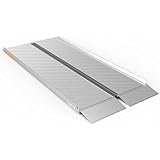 EZ-ACCESS Singlefold Wheelchair Ramp, 6 ft
Folds like a suitcase and carries in a car boot, so the same ramp handles the front step at home and the kerb at an appointment.
Check price on Amazon → Drive Medical Nitro Rollator with Seat
The seat matters more than the wheels. Being able to stop and rest is what decides whether someone still goes out at all.
Check price on Amazon → Vive Stand Assist Rail for Couch or Chair
Getting out of a low sofa is where most falls at home start. This is the cheapest thing on the list and often the first one needed.
Check price on Amazon →As an Amazon Associate we earn from qualifying purchases, at no extra cost to you. Researched guidance, not medical advice. Prices change, so check before buying.
Why Caregivers Feel So Much Guilt
Impossible Standards
Many caregivers hold themselves to impossible standards:
- Believing you should be able to do everything yourself
- Expecting to feel only positive emotions
- Thinking love means never needing a break
- Believing a good child would never place a parent in care
- Holding yourself responsible for things beyond your control
Comparison to an Idealized Version
You might be comparing yourself to:
- What you imagine other caregivers do
- What your parent expected or wanted
- What you promised before you understood caregiving
- An idealized version of yourself that doesn't exist
Unexamined Cultural Messages
Society sends powerful messages about caregiving:
- Children owe parents everything
- Family care is always better than professional care
- Sacrifice is noble; self-care is selfish
- Good caregivers don't need help
When guilt strikes, ask: "Where does this expectation come from? Is it reasonable? Would I hold someone else to this same standard?" Often, you'll find the expectation isn't fair or realistic.
Distinguishing Useful vs. Toxic Guilt
| Useful Guilt | Toxic Guilt |
|---|---|
| Based on something you actually did wrong | Based on impossible standards |
| Leads to constructive change | Creates paralysis or self-punishment |
| Proportionate to the situation | Excessive and all-consuming |
| Resolves when you make amends | Persists no matter what you do |
| Focuses on specific actions | Attacks your whole character |
When Guilt Is Trying to Tell You Something
Sometimes guilt signals a genuine need to change:
- You're neglecting something important that you could address
- You've said or done something you genuinely regret
- Your values and actions are misaligned in a way you can fix
When Guilt Is Just Noise
Most caregiver guilt falls into this category:
- Guilt about things beyond your control
- Guilt for having normal human needs
- Guilt for emotions you can't help feeling
- Guilt from comparing yourself to unrealistic standards
- Guilt no matter what you choose (damned if you do, damned if you don't)
Ask yourself: "Is there something specific I can do differently that would resolve this guilt?" If yes, consider doing it. If no, or if you've already done what you can, the guilt isn't serving you.
Strategies for Managing Guilt
Reality Check Your Thoughts
- Challenge absolutes: "I never..." "I always..." "I should..." Replace with more accurate statements
- Consider the evidence: What would an objective observer see you doing?
- Ask what you'd tell a friend: Would you judge them as harshly as you judge yourself?
- Recognize cognitive distortions: All-or-nothing thinking, fortune-telling, mind-reading
Accept What You Can't Control
- You can't cure their illness
- You can't be there 24/7
- You can't predict the future
- You can't control their choices
- You can't change the past
- You can't meet every need perfectly
Embrace "Good Enough"
Perfection is impossible. "Good enough" caregiving means:
- Doing your best with the resources you have
- Making decisions with the information available at the time
- Being present even when you can't fix everything
- Taking care of yourself so you can continue caring for them
"Good enough" isn't settling, it's wisdom. A caregiver who maintains their health and sanity by being "good enough" provides better long-term care than one who burns out trying to be perfect.
Self-Compassion Practices
- Talk to yourself kindly: Use the tone you'd use with a struggling friend
- Acknowledge the difficulty: "This is hard. Anyone would struggle."
- Remember common humanity: Every caregiver faces these challenges
- Allow yourself to be imperfect: You're doing a job you were never trained for
Specific Guilt Scenarios
Guilt About Nursing Home Placement
This is perhaps the most painful guilt caregivers face:
- Recognize that placement often means better care, not worse
- Your presence doesn't end, you become an advocate and visitor
- Keeping them home at all costs can harm both of you
- The promise to "never put you in a home" was made without knowing what would be needed
- Many people thrive in good facilities with social interaction and professional care
Guilt About Taking Time for Yourself
- Self-care prevents burnout that would harm your parent
- You model healthy behavior for others
- You can't pour from an empty cup
- Brief absences are healthy for both of you
- You're a person, not just a caregiver
Guilt About Negative Feelings
- Feelings aren't actions, you can feel resentful without acting on it
- Wishing for the situation to end isn't wishing for their death
- Frustration doesn't cancel out love
- Acknowledging difficult feelings is healthier than suppressing them
When to Seek Help
Consider professional support if:
- Guilt is constant and overwhelming
- You're unable to enjoy anything without guilt
- Guilt is affecting your physical health
- You're developing depression or anxiety
- You're having thoughts of self-harm
- Guilt is preventing you from making necessary decisions
A therapist experienced with caregivers can help you work through guilt, set realistic expectations, and develop coping strategies. Many caregivers find therapy transformative. It's not indulgent, it's a tool for better caregiving.
You're Not Alone
Our caregiver resources include guidance on managing the emotional challenges of caregiving, including guilt, grief, and burnout.
Get the Complete Caregiver Kit- Guilt is nearly universal among caregivers, it doesn't mean you're failing
- Most caregiver guilt is unwarranted and comes from impossible standards
- Distinguish between guilt that signals a needed change and guilt that's just noise
- Having difficult feelings doesn't make you a bad person
- "Good enough" caregiving is healthy and sustainable
- Self-compassion isn't selfish, it's essential
- Seeking help for overwhelming guilt is wise, not weak
Frequently Asked Questions
Why do caregivers feel so guilty?
Caregiver guilt stems from impossible expectations, feeling you should do more despite already doing your best, cultural/family expectations of sacrifice, grief over your parent's decline projected as self-blame, and the natural conflict between your needs and caregiving demands. You feel guilty whether you're doing too much (neglecting yourself) or too little (not being 'enough'), creating a no-win cycle.
Is it normal to feel guilty about putting parent in nursing home?
This guilt is extremely common and doesn't mean you made the wrong decision. Nursing home placement often happens when home care is no longer safe or possible. Recognize that providing hands-on care isn't the only way to show love, ensuring appropriate professional care, visiting, and advocating for your parent are also caregiving. Most family members report their parent receives better care than they could provide at home.
How do I stop feeling guilty as a caregiver?
Acknowledge guilt without judgment, it's a normal response, not evidence of wrongdoing. Challenge unrealistic expectations you hold for yourself. Practice self-compassion (treat yourself as kindly as you'd treat a friend). Set boundaries without apologizing. Focus on what you are doing, not what you're not. Seek support from other caregivers who understand. Consider therapy if guilt is overwhelming.
Is caregiver guilt a sign of depression?
Excessive, persistent guilt can be a symptom of depression, which affects 40-70% of caregivers. Other depression signs include hopelessness, sleep changes, appetite changes, loss of interest, difficulty concentrating, and thoughts of death. If guilt feels overwhelming, constant, or accompanies other symptoms, seek professional evaluation. Caregiver depression is treatable and improving it benefits both you and your parent.