You're doing everything for Mom while your siblings do nothing. You're managing doctor appointments, medications, finances, emergencies. They visit once a year and criticize how you're handling things. They have excuses: "I live too far away." "I have kids." "I have a demanding job."
And you're furious. This sibling resentment is one of the most painful parts of caregiving, and one of the most common. Here's how to understand it and try to address it.
Studies show that in 75% of families, one sibling provides the majority of care. This imbalance is the norm, not the exception. The resentment you feel is valid, common, and understandable.
Why One Sibling Usually Does More
Proximity
The sibling who lives closest often becomes the default caregiver, regardless of who has more time or capacity.
Gender Expectations
Daughters are more likely to become primary caregivers than sons, even when sons have more flexibility. Cultural and family expectations play a role.
Family Dynamics
- The "responsible one" who always stepped up
- The child who has the closest relationship with the parent
- The one who can't say no
- Birth order patterns (often the eldest or youngest)
The Gradual Slide
Often it starts small, "I'll just handle this one thing", and grows. Before you know it, you're doing everything and no one else knows how to step in.
The equipment that changes the most
Most of what caregiving costs is time. These four are the purchases that reliably buy some of it back, and they are the ones families tell us they wish they had bought sooner.
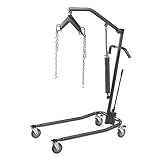 Drive Medical Hydraulic Patient Lift
A full lift is what makes one person able to manage a transfer alone. It is the single purchase that most often delays a move into residential care.
Check price on Amazon →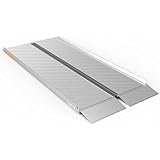 EZ-ACCESS Singlefold Wheelchair Ramp, 6 ft
Folds like a suitcase and carries in a car boot, so the same ramp handles the front step at home and the kerb at an appointment.
Check price on Amazon → Drive Medical Nitro Rollator with Seat
The seat matters more than the wheels. Being able to stop and rest is what decides whether someone still goes out at all.
Check price on Amazon → Vive Stand Assist Rail for Couch or Chair
Getting out of a low sofa is where most falls at home start. This is the cheapest thing on the list and often the first one needed.
Check price on Amazon →As an Amazon Associate we earn from qualifying purchases, at no extra cost to you. Researched guidance, not medical advice. Prices change, so check before buying.
Why Siblings Don't Help
Understanding their perspective (even if you disagree) may help:
- Distance: They genuinely can't be there for daily needs
- Denial: They don't see how bad things are or want to believe parent is fine
- Avoidance: Facing parent's decline is emotionally hard
- Different relationship: They may not feel as connected or obligated
- Past trauma: Difficult history with the parent
- Their own struggles: Problems you may not know about
- You didn't ask: They assume you have it handled
- They tried and were shut out: Sometimes the primary caregiver (unknowingly) blocks help
Sometimes the primary caregiver becomes a "gatekeeper" who criticizes how siblings help or redoes their contributions. If you've said "It's easier if I just do it myself" or rejected their offers, you may be unintentionally pushing them away. This doesn't excuse them, but it's worth examining.
Strategies That May Help
Have a Family Meeting
- Call a meeting specifically to discuss parent care
- Use video if siblings are distant
- Come with specific asks, not just complaints
- Consider a mediator (social worker, therapist) if relationships are tense
Make Specific Requests
Don't say "I need more help." Say:
- "Can you handle the bills and finances?"
- "Can you call Mom every Tuesday and Thursday?"
- "Can you take over researching assisted living options?"
- "Can you come for a weekend so I can have a break?"
Acknowledge Distance-Appropriate Roles
Long-distance siblings can still contribute:
- Financial contributions
- Research and coordination
- Regular phone/video calls with parent
- Managing paperwork and bills
- Coming for respite breaks
- Handling the estate or legal matters
Use "I" Statements
- "I'm burning out and need help" (not "You never help")
- "I feel alone in this" (not "You've abandoned Mom")
- "I need support" (not "You're selfish")
Share Information Regularly
- Send updates so they know what's happening
- Include them in medical decisions
- Don't assume they know how much you're doing
- Document what caregiving involves (hours, tasks, costs)
If you're providing most of the hands-on care and a sibling can't or won't help directly, it's reasonable to ask them to contribute financially, to hire help, to compensate you for lost work, or to fund respite care. This is a valid form of contribution.
When They Still Won't Help
Accept What You Can't Change
You cannot force your siblings to help. You cannot make them care. You can only control your own choices:
- Decide what YOU are willing and able to do
- Set limits based on your capacity, not their absence
- Hire help if they won't provide it (use parent's funds if available)
- Stop expecting them to change
Protect Yourself
- Don't sacrifice your health, job, or family to cover for them
- You don't have to be a martyr
- It's okay to say "I can't do this alone; we need to hire help"
- Consider whether placement is needed if you can't manage alone
Manage Your Resentment
- Resentment hurts YOU more than them
- Therapy can help process anger and grief
- Caregiver support groups normalize these feelings
- Letting go isn't approval, it's self-protection
Caregiving conflict often damages sibling relationships permanently. But not always. Some siblings step up later, apologize, or relationships heal after the caregiving ends. Others don't. You may need to grieve the sibling relationship you wanted, separate from the parent care.
Special Situations
When They Criticize But Won't Help
Perhaps the most maddening situation. Strategies:
- "I'm open to suggestions, but I'm doing my best with what I have"
- "Would you like to take this over?"
- "I'd welcome your help with this directly"
- Set a boundary: "I'm not going to discuss how I'm doing things unless you're offering to do them yourself"
When Parent Plays Favorites
If your parent praises the absent sibling while criticizing you, it stings. Remember:
- You're doing the hard work; their opinion reflects their limitations
- Cognitive decline can affect behavior and perception
- You know the truth of what you're doing
When There's an Inheritance
Money makes everything more complicated. Consider:
- Being compensated for caregiving from parent's funds (if they agree)
- Having an honest family conversation about inheritance vs. caregiving burden
- Getting legal advice about caregiver agreements
Family Meeting Scripts
Our Conversation Scripts include language for sibling discussions about sharing caregiving responsibilities.
Get the Complete Caregiver Kit- Imbalanced caregiving is normal, one sibling doing most of the work is the pattern in 75% of families
- Make specific, concrete requests rather than general complaints
- Distant siblings can contribute through money, research, calls, and respite visits
- Check whether you're unintentionally blocking their help
- You cannot force them to help, focus on what you can control
- Don't sacrifice your health to cover for their absence
- Resentment hurts you most, consider therapy or support groups
- The sibling relationship may or may not survive; grieve what you need to