Your parent has been diagnosed with Parkinson's disease. Maybe you noticed the tremor first, or the shuffling walk, or how their voice got quieter. Now you're facing a progressive condition that affects movement, balance, and often mood and cognition.
Parkinson's caregiving has unique challenges, but with knowledge and support, you can help your parent live well for many years after diagnosis.
Parkinson's disease progresses differently for everyone. Some people live 20+ years with relatively mild symptoms; others decline more quickly. Your parent's journey will be unique, and the goal is to maximize quality of life at each stage.
Understanding Parkinson's Disease
Motor Symptoms
- Tremor: Shaking, usually starting in one hand, often at rest
- Bradykinesia: Slowness of movement, harder to initiate and complete actions
- Rigidity: Stiffness in arms, legs, or trunk
- Postural instability: Balance problems, often in later stages
- Gait changes: Shuffling walk, smaller steps, freezing episodes
- Reduced arm swing: Less movement when walking
- Facial masking: Less expression, appearing emotionless
Non-Motor Symptoms (Often Overlooked)
- Depression and anxiety: Very common, often before motor symptoms
- Sleep problems: Insomnia, vivid dreams, daytime sleepiness
- Cognitive changes: Slower thinking, memory issues, some develop dementia
- Constipation: Often severe
- Low blood pressure: Dizziness on standing
- Urinary problems: Urgency, frequency
- Loss of smell: Often one of the earliest symptoms
- Fatigue: Exhaustion beyond what symptoms explain
- Soft speech: Quiet voice, hard to hear
- Swallowing difficulties: Increases aspiration risk
Depression in Parkinson's isn't just a reaction to the diagnosis, it's caused by the same brain changes that cause motor symptoms. Up to 50% of people with Parkinson's experience depression. It's treatable and should be addressed aggressively.
The equipment that changes the most
Most of what caregiving costs is time. These four are the purchases that reliably buy some of it back, and they are the ones families tell us they wish they had bought sooner.
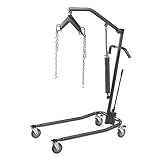 Drive Medical Hydraulic Patient Lift
A full lift is what makes one person able to manage a transfer alone. It is the single purchase that most often delays a move into residential care.
Check price on Amazon →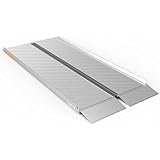 EZ-ACCESS Singlefold Wheelchair Ramp, 6 ft
Folds like a suitcase and carries in a car boot, so the same ramp handles the front step at home and the kerb at an appointment.
Check price on Amazon → Drive Medical Nitro Rollator with Seat
The seat matters more than the wheels. Being able to stop and rest is what decides whether someone still goes out at all.
Check price on Amazon → Vive Stand Assist Rail for Couch or Chair
Getting out of a low sofa is where most falls at home start. This is the cheapest thing on the list and often the first one needed.
Check price on Amazon →As an Amazon Associate we earn from qualifying purchases, at no extra cost to you. Researched guidance, not medical advice. Prices change, so check before buying.
Medication Management
Why Timing Matters
Parkinson's medications (especially levodopa) must be taken on a precise schedule:
- Timing affects how well symptoms are controlled
- Late doses can cause severe "off" periods (symptoms return suddenly)
- Protein in food can interfere with absorption
- Set alarms and use pill organizers
Common Medications
- Levodopa/Carbidopa (Sinemet): Most effective; converted to dopamine in brain
- Dopamine agonists: Mimic dopamine (pramipexole, ropinirole)
- MAO-B inhibitors: Prevent dopamine breakdown
- COMT inhibitors: Extend levodopa effect
- Amantadine: Can help with dyskinesia (involuntary movements)
Medication Side Effects to Watch
- Dyskinesia: Involuntary writhing movements (from long-term levodopa use)
- Impulse control: Gambling, compulsive shopping, hypersexuality (especially dopamine agonists)
- Hallucinations: Especially in advanced disease
- Orthostatic hypotension: Dizziness on standing
- Nausea: Take with crackers or light snack (not protein)
Abruptly stopping Parkinson's medications can cause a medical emergency (neuroleptic malignant-like syndrome). Always taper under medical supervision. If hospitalized, ensure the hospital knows exactly what medications and timing your parent needs.
Fall Prevention
Falls are the biggest safety concern in Parkinson's. Prevention strategies:
Home Modifications
- Remove loose rugs and clutter
- Install grab bars in bathroom
- Ensure good lighting everywhere
- Remove threshold strips between rooms
- Use night lights in hallways and bathroom
- Consider a hospital bed with rails if needed
Movement Strategies
- For freezing: Use visual cues (step over a line, march to music)
- When turning: Take small steps, don't pivot
- When standing: Pause before walking, don't rush
- Use a walker: When gait becomes unstable
- Physical therapy: Essential for maintaining mobility
Orthostatic Hypotension
- Rise slowly from sitting or lying
- Sit on the edge of bed before standing
- Compression stockings may help
- Stay hydrated
- Small, frequent meals (large meals lower blood pressure)
Daily Care Challenges
Eating and Swallowing
- Sit upright for meals and 30 minutes after
- Smaller bites, slower eating
- Thicker liquids may be easier to swallow
- Watch for coughing or choking
- Speech therapy can help with swallowing
- Consider protein at dinner (interferes less with medication)
Communication
- Speech therapy (especially LSVT LOUD program)
- Face them when speaking
- Be patient, wait for them to finish
- Ask yes/no questions when speech is difficult
- Remember: reduced expression doesn't mean reduced emotion
Constipation
- Very common and uncomfortable
- High fiber diet, lots of fluids
- Exercise helps
- May need daily stool softeners or laxatives
- Don't let it go untreated, can cause significant problems
Regular exercise is one of the most important things for Parkinson's. It may slow progression and definitely improves symptoms. Walking, swimming, tai chi, boxing programs, and dance are all beneficial. Aim for daily movement.
Cognitive Changes and Dementia
Not everyone with Parkinson's develops dementia, but cognitive changes are common:
- Executive function: Difficulty planning, organizing, multitasking
- Processing speed: Thinking becomes slower
- Memory: Retrieval problems (cueing helps)
- Parkinson's disease dementia: Develops in about 50% eventually, usually after years of motor symptoms
Hallucinations and Delusions
- Often a side effect of medications
- Can also be part of disease progression
- Typically visual: seeing people or animals that aren't there
- If benign, may not need treatment
- If distressing, medications can help (but avoid typical antipsychotics)
Care Through the Stages
Early Stage
- Symptoms on one side, minimal impact on daily life
- Focus on exercise, staying active, medication education
- Start planning: legal documents, future care wishes
Middle Stage
- Both sides affected, balance may be impaired
- May need help with some activities
- Medication fluctuations become more common
- Consider occupational therapy for home safety
Advanced Stage
- Significant assistance needed for daily activities
- May use wheelchair
- Swallowing and speech significantly affected
- Cognitive changes more pronounced
- Consider hospice when appropriate
Caring for Yourself
- Parkinson's caregiving can last many years, pace yourself
- Join a Parkinson's caregiver support group
- Accept help and respite
- Don't wait until you're burned out to seek support
- Parkinson's Foundation has resources specifically for caregivers
Track Symptoms and Medications
Our Daily Care Log helps you track symptoms, medication timing, and changes to report to the doctor.
Get the Complete Caregiver Kit- Parkinson's is highly individual, progression varies greatly
- Non-motor symptoms (depression, constipation, sleep) are as important as tremor
- Medication timing is critical, don't miss doses
- Falls are the biggest safety concern, modify the home
- Exercise is one of the most important treatments
- Never stop Parkinson's medications suddenly
- Cognitive changes are common; not everyone develops dementia
- Pace yourself, this is often a long caregiving journey