Congestive Heart Failure in Elderly Parents
Congestive heart failure (CHF) means the heart isn't pumping blood as efficiently as it should. Fluid backs up in the lungs, legs, and other tissues. CHF is one of the most common reasons elderly people are hospitalized, but with proper daily management, many hospitalizations can be prevented.
Severe shortness of breath, chest pain, fainting, rapid or irregular heartbeat with shortness of breath, or pink/bloody frothy sputum (sign of pulmonary edema, fluid in lungs).
Understanding Heart Failure
In heart failure, the heart muscle is weakened or stiff and can't pump effectively. This causes:
- Fluid buildup: In lungs (pulmonary congestion), legs/feet (edema), abdomen
- Reduced blood flow: Organs don't get enough oxygen-rich blood
- Fatigue: Body can't meet its own demands
Heart failure is classified by "ejection fraction" (how much blood the heart pumps out with each beat) and by which side of the heart is affected.
As an Amazon Associate, we earn from qualifying purchases.
Recommended Heart Health Monitoring Tools
 Digital Scale for Daily Weigh-ins Monitor fluid retention daily
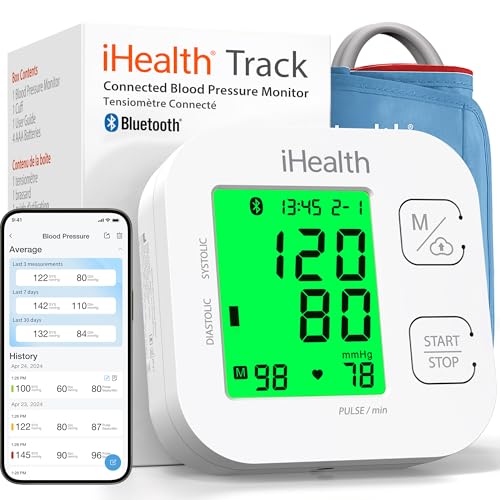 Blood Pressure Monitor Track blood pressure at home
 Weekly Pill Organizer Manage heart medications consistently
 Medical Alert System Emergency help for heart-related symptoms
Common Symptoms to Monitor
- Shortness of breath: Especially with activity or lying flat
- Fatigue and weakness: Feeling exhausted with minimal activity
- Swelling: Feet, ankles, legs, abdomen
- Rapid weight gain: 2-3 pounds overnight or 5+ pounds in a week
- Persistent cough: May produce white or pink-tinged mucus
- Difficulty sleeping flat: Need to prop up on pillows
- Waking up short of breath: Paroxysmal nocturnal dyspnea
- Rapid or irregular heartbeat
- Reduced appetite or nausea
- Confusion or impaired thinking
Daily Weight Monitoring Is Critical
Weight gain is the earliest warning sign of fluid retention, it appears before other symptoms.
- Weigh at the same time every day (best: morning, after urinating, before eating)
- Use the same scale
- Wear similar clothing (or none)
- Record the weight every day
- Call doctor if: 2+ pounds in one day or 5+ pounds in one week
The Zone System
Many doctors use a traffic light system to help patients know when to act:
Green Zone: All Clear
- Weight stable (within 2 pounds of target)
- No increased shortness of breath
- No new swelling
- Sleeping well, can lie flat
- Action: Continue medications and daily monitoring
Yellow Zone: Caution
- Weight gain of 2-4 pounds
- Increased shortness of breath
- More swelling in feet/legs
- Need more pillows to sleep
- More tired than usual
- Action: Call doctor's office today
Red Zone: Emergency
- Weight gain of 5+ pounds in a week
- Severe shortness of breath at rest
- Can't lie down at all
- Chest pain
- Confusion
- Coughing up pink/bloody mucus
- Action: Call 911 or go to ER immediately
Medication Management
Heart failure patients often take multiple medications. Each serves a specific purpose:
Common CHF Medications
- Diuretics (water pills): Remove excess fluid, Lasix (furosemide) most common
- ACE inhibitors/ARBs: Reduce strain on heart, lower blood pressure
- Beta blockers: Slow heart rate, reduce workload on heart
- Aldosterone antagonists: Help with fluid and potassium balance
- Digoxin: Helps heart pump more efficiently
- Blood thinners: If atrial fibrillation present
Missing doses can quickly lead to decompensation. If your parent can't afford medications, contact the doctor, there are often assistance programs. Never stop a medication without doctor approval.
Medication Tips
- Use a pill organizer to track daily doses
- Take diuretics in the morning (so bathroom trips aren't at night)
- Know which medications need lab monitoring (potassium, kidney function)
- Keep a current medication list for all doctor visits
Sodium and Fluid Restrictions
Sodium (Salt) Limit
Most CHF patients are restricted to 1,500-2,000mg sodium per day (a single fast-food meal can have 2,000mg):
- Don't add salt at the table
- Read labels, sodium is in everything processed
- Avoid canned soups, deli meats, frozen meals, fast food
- Use fresh or frozen vegetables (not canned)
- Season with herbs, spices, lemon, not salt
- Beware "hidden" sodium in bread, condiments, cheese
Fluid Restriction
Some patients also have a fluid limit (often 48-64 oz per day):
- Track ALL fluids: water, coffee, soup, ice cream, Jell-O
- Use small cups
- Suck on ice chips (slower intake)
- Rinse mouth without swallowing
- Spread fluid intake throughout the day
Activity and Rest
- Stay as active as safely possible: Bed rest weakens the heart further
- Cardiac rehabilitation: Supervised exercise program, highly beneficial
- Pace activities: Rest before becoming exhausted
- Avoid extremes: Very hot or cold weather is hard on the heart
- Elevate legs: When sitting, to reduce swelling
- Sleep position: Head of bed elevated may help breathing
Preventing Hospitalizations
Many CHF hospitalizations are preventable with vigilant daily management:
- Daily weights: Catch fluid retention early
- Take all medications as prescribed
- Follow sodium and fluid restrictions
- Keep all follow-up appointments
- Get flu and pneumonia vaccines
- Avoid NSAIDs: Ibuprofen, naproxen can worsen CHF
- Limit alcohol
- Monitor symptoms and act on changes
Know exactly when to call: most CHF doctors want a call for 2-3 pound weight gain so they can adjust diuretics before hospitalization becomes necessary.
Devices for Heart Failure
Some patients have implanted devices:
- Pacemaker: Regulates heart rhythm
- ICD (Implantable Cardioverter Defibrillator): Shocks heart if dangerous rhythm occurs
- CRT (Cardiac Resynchronization Therapy): Helps both sides of heart beat together
Know what device your parent has and any special instructions (MRI precautions, etc.).
End-Stage Heart Failure
As heart failure progresses to end-stage:
- Symptoms persist despite maximum medical therapy
- Frequent hospitalizations
- Limited activity tolerance
- Consider palliative care for symptom management
- Hospice is appropriate when life expectancy is 6 months or less
- Discuss ICD deactivation if patient has one (prevents shocks at end of life)
Heart failure has an unpredictable trajectory. Have conversations about goals of care early, while your parent can participate in decisions.