Your sweet, gentle parent becomes a different person, yelling, swearing, hitting, or refusing care. It's terrifying, heartbreaking, and exhausting. Aggression in dementia is one of the most challenging behaviors for caregivers, but understanding why it happens can help you prevent and manage it.
If you or your parent is in immediate danger, remove yourself from the situation. Call 911 if necessary. Your safety matters. You cannot provide care if you are harmed.
Understanding Dementia Aggression
Why It Happens
Aggression in dementia is almost never intentional. It usually stems from:
- Brain changes: Damage to areas controlling impulse and emotion
- Communication breakdown: Can't express needs verbally
- Fear and confusion: Scared by what they don't understand
- Physical discomfort: Pain, infection, constipation they can't articulate
- Overstimulation: Too much noise, activity, or people
- Feeling threatened: Personal space invaded, loss of control
It's Not Personal
This is perhaps the hardest thing to remember: the aggression isn't about you. Your parent isn't choosing to be mean. The disease has damaged the parts of their brain that regulate behavior. The person lashing out isn't the person you know, it's the disease.
Types of Aggression
- Verbal: Yelling, screaming, cursing, threatening
- Physical: Hitting, kicking, biting, scratching, grabbing
- Resistance: Pushing away, refusing care, fighting during bathing/dressing
Keep a log of aggressive episodes: time of day, what happened before, who was present, what they ate/drank, medications, sleep the night before. Patterns often emerge that reveal triggers you can avoid.
The equipment that changes the most
Most of what caregiving costs is time. These four are the purchases that reliably buy some of it back, and they are the ones families tell us they wish they had bought sooner.
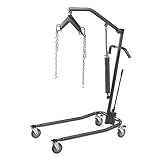 Drive Medical Hydraulic Patient Lift
A full lift is what makes one person able to manage a transfer alone. It is the single purchase that most often delays a move into residential care.
Check price on Amazon →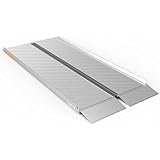 EZ-ACCESS Singlefold Wheelchair Ramp, 6 ft
Folds like a suitcase and carries in a car boot, so the same ramp handles the front step at home and the kerb at an appointment.
Check price on Amazon → Drive Medical Nitro Rollator with Seat
The seat matters more than the wheels. Being able to stop and rest is what decides whether someone still goes out at all.
Check price on Amazon → Vive Stand Assist Rail for Couch or Chair
Getting out of a low sofa is where most falls at home start. This is the cheapest thing on the list and often the first one needed.
Check price on Amazon →As an Amazon Associate we earn from qualifying purchases, at no extra cost to you. Researched guidance, not medical advice. Prices change, so check before buying.
Common Triggers
Physical Causes
- Pain: Arthritis, headaches, dental problems
- Infection: UTIs are notorious for causing behavior changes
- Constipation: Creates significant discomfort
- Hunger or thirst: May not recognize or communicate need
- Fatigue: Exhaustion reduces coping ability
- Medication side effects: New meds or interactions
- Vision or hearing problems: Misinterpreting surroundings
Environmental Triggers
- Overstimulation: Loud TV, crowded rooms, chaos
- Understimulation: Boredom, isolation
- Temperature: Too hot or cold
- Lighting: Shadows can be frightening
- Change: New people, places, routines
- Time of day: Sundowning (late afternoon agitation)
Care-Related Triggers
- Personal care: Bathing, toileting, dressing
- Rushing: Feeling pressured or hurried
- Contradicting: Being told they're wrong
- Taking things away: Car keys, wallet
- Restricting: Preventing them from doing something
- Unfamiliar caregivers: Strangers providing intimate care
Sudden aggression or significant change in behavior warrants a doctor visit. UTIs, pain, medication changes, and other medical issues can cause behavioral symptoms that resolve with treatment. Don't assume it's "just the dementia."
Prevention Strategies
Create a Calm Environment
- Reduce noise and clutter
- Maintain consistent routines
- Good lighting (avoid shadows)
- Comfortable temperature
- Familiar objects and photos
- Calm, soothing music
Approach Thoughtfully
- Approach from the front, not behind
- Make eye contact before speaking
- Use their name
- Speak slowly and calmly
- Keep voice low and gentle
- One instruction at a time
- Give time to process before repeating
During Personal Care
- Explain what you're doing before and during
- Go slowly, don't rush
- Preserve dignity and modesty
- Offer choices where possible
- Use towels to cover exposed areas
- Make it pleasant (warm room, music)
- Consider alternatives (sponge bath instead of shower)
Avoid Triggers
- Don't argue or correct
- Don't take things away abruptly
- Don't crowd them
- Don't insist they remember
- Don't ask "don't you remember?"
- Limit visitors if overwhelming
De-escalation Techniques
When Aggression Is Building
- Stay calm: Your anxiety escalates theirs
- Lower your voice: Speak softly and slowly
- Give space: Step back if safe to do so
- Validate feelings: "I can see you're upset"
- Redirect: Change subject or activity
- Distract: Offer a snack, suggest a walk, play music
- Simplify: Remove extra stimulation
What to Say
- "I'm sorry this is upsetting you"
- "I want to help"
- "Let's take a break"
- "Would you like a snack?"
- "Let me show you something"
- "That sounds frustrating"
What NOT to Do
- Don't argue or try to reason
- Don't take it personally
- Don't raise your voice
- Don't restrain unless absolutely necessary
- Don't punish or scold
- Don't invade personal space
- Don't show fear or frustration
Sometimes a "therapeutic fib" prevents aggression better than truth. If they want to see their deceased mother, saying "She'll be by later" may calm them better than painful reminders of death. The goal is their emotional comfort, not factual accuracy.
During an Episode
Immediate Actions
- Ensure safety: Yours first, then theirs
- Create distance: Step back if you can
- Stay calm: Deep breaths, neutral expression
- Don't confront: Let them "win" if it defuses things
- Wait it out: Episodes often pass in minutes
- Remove triggers: Turn off TV, lower lights
If Physical
- Don't try to restrain unless they or others are in danger
- If grabbed, don't pull away (increases grip)
- Move away from dangerous objects
- Create barriers if needed (put furniture between you)
- Leave the room if possible and safe
- Call for help if needed
After the Episode
- They likely won't remember or feel guilt
- Return to normal interaction
- Don't bring it up or punish
- Document what happened
- Take time for yourself to recover
- Consider what triggered it
When to Get Help
Talk to the Doctor When
- Aggression is new or suddenly worse
- Episodes are frequent
- You or they could be injured
- Nothing seems to help
- You're afraid
- You suspect medical cause
Medication Options
Medications are typically used when:
- Non-drug approaches haven't worked
- There's risk of harm
- Quality of life is severely impacted
Common medications include antidepressants, mood stabilizers, or antipsychotics (used carefully due to risks in dementia patients).
Professional Support
- Geriatric psychiatrist: Specializes in behavior management
- Dementia care specialist: Can assess and advise
- Home care agency: Trained caregivers to help
- Adult day program: Structured environment may reduce aggression
- Memory care facility: When home care isn't safe
If aggression is severe, frequent, and dangerous despite interventions, home may no longer be the right setting. Memory care facilities have trained staff, secure environments, and 24-hour supervision. Recognizing this isn't failure, it's protecting everyone.
Taking Care of Yourself
Emotional Impact
Being hit, cursed at, or threatened by your parent is traumatic, even if you know it's the disease. Allow yourself to:
- Feel hurt, angry, or scared
- Cry after difficult episodes
- Talk to someone who understands
- Take breaks from caregiving
- Feel resentful sometimes
Getting Support
- Caregiver support groups (in person or online)
- Therapy or counseling
- Respite care to get breaks
- Family help
- Alzheimer's Association helpline: 1-800-272-3900
Dementia Care Resources
Our Caregiver Kit includes behavior tracking logs, de-escalation guides, and caregiver self-care tools.
Get the Complete Caregiver Kit- Aggression is the disease, not your parent, don't take it personally
- Look for underlying causes: pain, infection, medication, environment
- Prevent triggers when possible: stay calm, don't rush, preserve dignity
- De-escalate by staying calm, validating feelings, and redirecting
- Your safety comes first, leave if you need to
- Document episodes to find patterns
- Talk to the doctor about sudden or severe changes
- Get support, caregiving through aggression is traumatic
- Memory care may be necessary if home becomes unsafe