Your sweet parent has become someone you barely recognize. They scream at you, accuse you of stealing, even try to hit you when you're just trying to help. The anger and aggression can feel like a personal attack, leaving you hurt, confused, and sometimes afraid.
Here's what you need to know: This is not your parent. This is the disease. Anger and aggression are common symptoms of dementia, affecting up to 50% of people at some point in their illness. Understanding why it happens, and how to respond, can help keep both of you safer and reduce the frequency of these painful episodes.
They are not angry AT you. They are experiencing fear, confusion, frustration, or discomfort that their damaged brain can only express as anger. They cannot control this reaction. Approaching it as a symptom to manage rather than a behavior to punish changes everything.
Why Dementia Causes Anger
Brain Changes
- Damage to emotional regulation: The parts of the brain that control impulses and emotions are affected
- Lost ability to process: Can't understand what's happening around them
- Communication breakdown: Can't express needs, leading to frustration
- Loss of inhibition: Filters that kept inappropriate responses in check are gone
Triggers for Anger
- Fear and confusion: Not recognizing where they are or who you are
- Feeling rushed: Being hurried through tasks
- Loss of control: Others making decisions for them
- Overstimulation: Too much noise, activity, people
- Understimulation: Boredom, lack of engagement
- Physical discomfort: Pain, hunger, need for bathroom, fatigue
- Feeling criticized: Being corrected or told they're wrong
- Invasion of personal space: Especially during intimate care
- Change in routine: Unfamiliar situations
- Time of day: Sundowning increases agitation in late afternoon/evening
Sudden onset or worsening of aggression often signals a medical problem. UTIs are notorious for causing behavioral changes in elderly. Pain, medication side effects, dehydration, and infections should all be considered. A sudden change always warrants medical evaluation.
The equipment that changes the most
Most of what caregiving costs is time. These four are the purchases that reliably buy some of it back, and they are the ones families tell us they wish they had bought sooner.
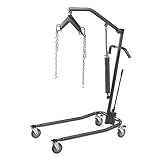 Drive Medical Hydraulic Patient Lift
A full lift is what makes one person able to manage a transfer alone. It is the single purchase that most often delays a move into residential care.
Check price on Amazon →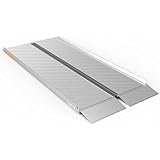 EZ-ACCESS Singlefold Wheelchair Ramp, 6 ft
Folds like a suitcase and carries in a car boot, so the same ramp handles the front step at home and the kerb at an appointment.
Check price on Amazon → Drive Medical Nitro Rollator with Seat
The seat matters more than the wheels. Being able to stop and rest is what decides whether someone still goes out at all.
Check price on Amazon → Vive Stand Assist Rail for Couch or Chair
Getting out of a low sofa is where most falls at home start. This is the cheapest thing on the list and often the first one needed.
Check price on Amazon →As an Amazon Associate we earn from qualifying purchases, at no extra cost to you. Researched guidance, not medical advice. Prices change, so check before buying.
In the Moment: How to Respond
What TO Do
- Stay calm: Your agitation will escalate theirs. Take a breath.
- Speak slowly and simply: Short sentences, calm voice
- Give space: Step back, don't crowd them
- Acknowledge their feelings: "You seem upset. I'm sorry."
- Look for the underlying need: Pain? Fear? Bathroom? Hunger?
- Distract and redirect: "Let's go get a snack" or "Look at this photo"
- Remove yourself if needed: It's okay to leave the room briefly if safe to do so
- Try again later: Whatever triggered it can often be addressed after they calm down
What NOT to Do
- Don't argue or try to reason: Their brain can't process logic
- Don't confront or demand explanations: "Why did you do that?" makes it worse
- Don't take it personally: This is the disease, not them
- Don't restrain physically unless absolutely necessary for safety: This often escalates
- Don't punish or show anger: They won't understand and it increases fear
- Don't crowd or corner them: Feeling trapped increases panic
Instead of trying to correct their perception, validate their emotion. If they're angry because "someone stole my purse" (which is actually in the closet), don't say "No one stole it, it's right here." Try "That sounds really upsetting. Let me help you look for it." Then guide them to finding it.
Preventing Angry Episodes
Track Patterns
- Keep a log of when episodes occur
- Note what happened before the episode
- Look for patterns: time of day, specific activities, certain people
- Identify triggers you can avoid or modify
Modify the Environment
- Reduce noise and chaos: Keep background TV/radio low or off
- Good lighting: Shadows can cause confusion and fear
- Familiar surroundings: Avoid unnecessary changes
- Calm colors and minimal clutter: Reduce visual overwhelm
- Avoid mirrors: Can frighten them if they don't recognize themselves
Modify Your Approach
- Slow down: Rushing is a major trigger
- Approach from front: Don't startle them from behind
- Give choices: "Red shirt or blue shirt?" gives sense of control
- Break tasks into steps: One instruction at a time
- Maintain routine: Predictability reduces anxiety
- Give warnings: "In a few minutes, we're going to..."
- Offer privacy during personal care: As much as safely possible
Address Physical Comfort
- Ensure regular meals and snacks
- Maintain good hydration
- Schedule regular bathroom breaks
- Check for pain (they may not be able to tell you)
- Ensure adequate sleep
- Check hearing aids and glasses
Specific Challenging Situations
Bathing Aggression
Bathing is one of the most common triggers for aggression.
- Keep the room warm
- Cover with towels for privacy during the process
- Consider sponge baths if showers are too upsetting
- Try bathing at different times
- Use distraction, play favorite music
- Keep same routine each time
- Accept that daily bathing may not be necessary
Accusations and Paranoia
"You stole my money!" "You're trying to poison me!"
- Don't argue or defend yourself, it doesn't work
- Acknowledge the feeling: "That sounds scary"
- Redirect: "Let's go look for your money together"
- Keep duplicates of frequently "lost" items
- Check for actual problems: Is anyone actually taking things?
Sundowning
Late afternoon/evening agitation is common.
- Keep lighting bright as natural light fades
- Maintain calm, quiet activities in evening
- Avoid caffeine in afternoon
- Ensure adequate daytime activity
- Address hunger, low blood sugar contributes
- Limit naps or keep them early
Your safety matters. If your parent becomes physically aggressive and you cannot safely redirect them, leave the room if possible. Call for help if needed. Do not feel guilty, you cannot provide care if you're injured. Consider whether the care situation is sustainable and discuss with the doctor.
When to Seek Medical Help
- Sudden change: New or significantly worsening aggression
- Physical aggression: Hitting, biting, kicking
- Danger to self or others: Safety is compromised
- Unable to provide necessary care: Aggression prevents bathing, medications, etc.
- Caregiver burnout: You're at your breaking point
Medical Options
- Treat underlying causes: Pain, UTI, constipation, etc.
- Medication review: Some medications worsen behavior
- Behavioral medications: As last resort, carefully chosen medications may help
- Geriatric psychiatry: Specialists in behavioral issues in dementia
Antipsychotics are sometimes used for severe aggression but carry serious risks in dementia patients, including increased stroke and death risk. They should only be used when non-drug approaches have failed and the behavior poses significant safety risk. Start low, go slow, and reassess regularly.
Caring for Yourself
Being on the receiving end of anger and aggression is traumatic, even when you know it's the disease.
- It's okay to feel hurt: Your feelings are valid
- It's okay to walk away: Taking a break is necessary
- Get support: Caregiver support groups understand this pain
- Consider respite care: You need breaks to sustain caregiving
- Talk to a therapist: Processing these experiences helps
- Recognize your limits: Some situations require more help than one person can provide
Track Patterns and Get Support
Our Daily Care Log helps you track triggers and patterns, while our Caregiver Support resources help you cope with the emotional toll.
Get the Complete Caregiver Kit- Anger and aggression are symptoms of dementia, not personal attacks
- Look for triggers: fear, discomfort, overstimulation, time of day
- Rule out medical causes for sudden changes (UTI is common)
- In the moment: stay calm, don't argue, validate feelings, redirect
- Prevention: slow down, maintain routine, address physical comfort
- Your safety matters, leave if you need to
- Seek medical help when aggression is new, worsening, or dangerous
- Get support for yourself, this is traumatic for caregivers too