Your gentle parent has become someone you don't recognize. They yell, hit, grab, accuse you of terrible things. They've called you names, pushed you away, even struck you. It's terrifying, heartbreaking, and exhausting, and it's not your fault.
Aggression affects up to 40% of people with dementia at some point. Understanding that this is the disease, not the person, is essential, but so is knowing how to protect yourself and manage these behaviors.
Your parent is not choosing to be aggressive. The disease has damaged the parts of their brain that regulate emotions, impulses, and behavior. They often don't remember the incident afterward. This is not the person you knew, it's what the disease has done to them.
Why Aggression Happens
Brain Changes
- Frontal lobe damage: Reduces impulse control and emotional regulation
- Loss of reasoning: Can't process situations logically
- Communication breakdown: Frustration when they can't express needs
- Misinterpretation: Perceive neutral actions as threatening
- Fear and confusion: Constant state of not understanding what's happening
Common Triggers
- Personal care: Bathing, dressing, toileting feel invasive
- Being rushed: They can't process at normal speed
- Feeling controlled: Loss of autonomy triggers resistance
- Confusion about caregivers: May not recognize family
- Environmental factors: Noise, crowds, unfamiliar places
- Unmet needs: Pain, hunger, need to use bathroom
- Overstimulation or understimulation
- Delusions or hallucinations: Responding to false beliefs
Sudden aggression or significant worsening should prompt medical evaluation. UTIs, medication changes, pain, constipation, and other conditions can trigger behavioral changes. Don't assume it's "just the dementia" without investigation.
The equipment that changes the most
Most of what caregiving costs is time. These four are the purchases that reliably buy some of it back, and they are the ones families tell us they wish they had bought sooner.
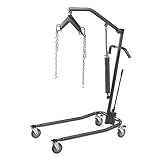 Drive Medical Hydraulic Patient Lift
A full lift is what makes one person able to manage a transfer alone. It is the single purchase that most often delays a move into residential care.
Check price on Amazon →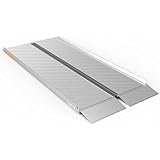 EZ-ACCESS Singlefold Wheelchair Ramp, 6 ft
Folds like a suitcase and carries in a car boot, so the same ramp handles the front step at home and the kerb at an appointment.
Check price on Amazon → Drive Medical Nitro Rollator with Seat
The seat matters more than the wheels. Being able to stop and rest is what decides whether someone still goes out at all.
Check price on Amazon → Vive Stand Assist Rail for Couch or Chair
Getting out of a low sofa is where most falls at home start. This is the cheapest thing on the list and often the first one needed.
Check price on Amazon →As an Amazon Associate we earn from qualifying purchases, at no extra cost to you. Researched guidance, not medical advice. Prices change, so check before buying.
Prevention Strategies
Environmental Modifications
- Reduce noise and stimulation
- Maintain consistent routines
- Ensure adequate lighting (shadows can be frightening)
- Remove mirrors if they cause distress (may not recognize themselves)
- Create calm, simple environments
- Avoid clutter and chaos
Communication Approaches
- Speak slowly and simply: One instruction at a time
- Approach from the front: Don't startle them from behind
- Use calm, low voice: High pitch or loud volume increase agitation
- Don't argue or correct: Their reality is real to them
- Give time to respond: They process slowly
- Use names and identify yourself: "It's Sarah, your daughter"
During Care Tasks
- Explain what you're doing: Step by step, simply
- Offer choices: "Would you like the blue shirt or the green one?"
- Don't force: Come back later if they resist
- Maintain privacy and dignity: Cover what you can during bathing
- Use distraction: Singing, talking about something pleasant
- Break tasks into small steps
Bathing is the most common trigger for aggression. Try: warm bathroom before starting, play their favorite music, explain each step, use a handheld showerhead, provide washcloth they can hold, don't fully undress them all at once, consider sponge baths on difficult days. Some days, skip it, it's not worth a fight.
De-escalation Techniques
When Aggression Begins
- Stay calm: Your anxiety will increase theirs
- Don't argue or explain: Logic doesn't work; it escalates
- Give space: Step back, don't crowd them
- Lower your voice: Speak slowly and softly
- Validate feelings: "I can see you're upset"
- Remove the trigger: If you know what started it
- Redirect attention: Change the subject or activity
- Leave and return: Sometimes leaving and coming back resets the situation
What NOT to Do
- Don't argue, correct, or try to reason
- Don't take it personally (hard, but essential)
- Don't touch or restrain unless there's immediate danger
- Don't yell or use a sharp tone
- Don't corner them or block their exit
- Don't have multiple people try to intervene at once
- Don't punish or scold afterward, they won't remember or understand
De-escalation Phrases
- "I'm sorry. I can see you're upset."
- "Let's take a break."
- "You're safe. I'm here to help you."
- "Would you like some [tea/music/to look at photos]?"
- "I'll come back in a few minutes."
- "That sounds frustrating."
If they think you're an intruder, don't insist you're their daughter. Say "I'm sorry for the confusion. I'm here to help you. Is there something you need?" If they're looking for their deceased mother, don't remind them she died. Say "Tell me about your mother." Meeting them where they are prevents escalation.
Keeping Yourself Safe
Physical Safety
- Position yourself near an exit
- Don't corner them or yourself
- Remove or secure potential weapons (scissors, canes, etc.)
- Learn to safely deflect hits and grabs (not fighting back)
- If they have a weapon, leave and call 911
- It's okay to lock yourself in a room if needed
Emotional Protection
- Remind yourself: this is the disease, not them
- Debrief with someone who understands
- Take breaks, you can't absorb this endlessly
- Seek support from caregiver groups
- Get professional help for your own mental health
Call 911 if: they have a weapon, you're physically injured or at risk, they're a danger to themselves, you cannot safely manage the situation. Tell dispatcher "This is a medical emergency, my parent has dementia and is having a behavioral crisis." Request crisis intervention team if available.
Medication Considerations
Non-drug approaches should always be tried first, but medication is sometimes necessary.
When Medication May Be Needed
- Person is at risk of hurting themselves or others
- Behavior is severely distressing to the person themselves
- Non-drug approaches have been tried and failed
- Caregiver safety is compromised
Common Medications
- Antidepressants (SSRIs): Citalopram, sertraline, first line for agitation, fewer risks
- Antipsychotics: Risperidone, quetiapine, effective but carry significant risks including increased mortality in dementia patients (FDA black box warning)
- Mood stabilizers: Sometimes used when other options fail
- Anti-anxiety medications: Lorazepam, used short-term in crisis, increases fall risk
Antipsychotics increase the risk of death in elderly people with dementia by 1.6-1.7 times. They should only be used when benefits clearly outweigh risks, at lowest effective dose, for shortest necessary time, with regular reassessment. This isn't a reason to refuse them if truly needed, but is reason for careful consideration.
Documenting and Analyzing Behaviors
Keep a Behavior Log
Track patterns to identify triggers:
- What happened: Describe the behavior specifically
- When: Time of day, day of week
- Where: What room or environment
- Who was present
- What happened before: The trigger or antecedent
- What helped: What de-escalated or stopped the behavior
Look for Patterns
- Same time of day (sundowning?)
- Same caregiver (personality conflict?)
- Same activity (personal care?)
- Relation to meals (hunger?)
- Relation to medication timing
- Environmental factors
When Placement Becomes Necessary
Consider memory care placement if:
- You are being physically injured
- Your safety is at risk
- Other family members (especially children) are unsafe
- You cannot provide adequate supervision
- The person needs more care than you can safely provide
- Your own health is deteriorating
- Behaviors are unmanageable despite interventions
Placing a loved one in memory care because of severe behavioral symptoms is not abandonment, it's getting them the specialized care they need. Memory care facilities have trained staff, appropriate environments, and the ability to provide 24-hour management that no single person can sustain.
Resources and Support
- Alzheimer's Association 24/7 Helpline: 1-800-272-3900
- Dementia behavior specialist: Geriatric psychiatrist or behavioral neurologist
- Support groups: For caregivers managing difficult behaviors
- Respite care: Regular breaks are essential for your survival
- Adult day programs: Structured care while you work or rest
Track Behaviors and Find Patterns
Our Dementia Care Kit includes behavior tracking logs, de-escalation strategy cards, and caregiver safety planning.
Get the Complete Caregiver Kit- Aggression is the disease, not a choice, your parent isn't doing this to you
- Rule out medical causes: UTI, pain, medication changes
- Prevention: consistent routine, calm environment, gentle approach
- De-escalation: stay calm, don't argue, validate, redirect, give space
- Protect yourself: position near exits, don't corner them, leave if needed
- Document behaviors to identify patterns and triggers
- Medication is last resort but sometimes necessary
- Memory care placement may be needed, this isn't failure