The conversation used to flow easily. Now your parent struggles to find words, repeats the same questions, or gives answers that don't make sense. You find yourself getting frustrated, correcting them, arguing about what's real. Both of you end up upset.
Communication with someone who has dementia requires a complete shift in approach. The goal isn't exchanging accurate information, it's connection. And connection is still possible, even when language is failing.
You can't change their brain, but you can change how you communicate. Meeting them where they are, rather than expecting them to meet you, reduces frustration for everyone and preserves connection.
How Dementia Affects Communication
What's Happening in the Brain
- Word-finding problems: They know what they mean but can't retrieve the word
- Slower processing: Takes longer to understand what you've said
- Short-term memory loss: Forgets what was just said
- Confusion about time: Past and present blur together
- Difficulty following sequences: Multi-step instructions are overwhelming
- Lost abstract thinking: Concrete is easier than conceptual
Common Communication Challenges
- Repeating the same question over and over
- Losing track mid-sentence
- Using wrong words or made-up words
- Giving answers that don't match the question
- Difficulty understanding what you're saying
- Becoming frustrated when not understood
The equipment that changes the most
Most of what caregiving costs is time. These four are the purchases that reliably buy some of it back, and they are the ones families tell us they wish they had bought sooner.
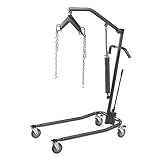 Drive Medical Hydraulic Patient Lift
A full lift is what makes one person able to manage a transfer alone. It is the single purchase that most often delays a move into residential care.
Check price on Amazon →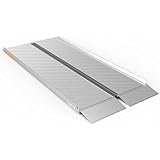 EZ-ACCESS Singlefold Wheelchair Ramp, 6 ft
Folds like a suitcase and carries in a car boot, so the same ramp handles the front step at home and the kerb at an appointment.
Check price on Amazon → Drive Medical Nitro Rollator with Seat
The seat matters more than the wheels. Being able to stop and rest is what decides whether someone still goes out at all.
Check price on Amazon → Vive Stand Assist Rail for Couch or Chair
Getting out of a low sofa is where most falls at home start. This is the cheapest thing on the list and often the first one needed.
Check price on Amazon →As an Amazon Associate we earn from qualifying purchases, at no extra cost to you. Researched guidance, not medical advice. Prices change, so check before buying.
Basic Communication Strategies
Before Speaking
- Approach from the front: Don't startle them from behind
- Get their attention: Say their name, make eye contact
- Reduce distractions: Turn off TV, move to quiet space
- Get on their level: Sit if they're sitting
- Touch gently: A hand on the arm can focus attention
How to Speak
- Speak slowly: Give their brain time to process
- Use simple sentences: One idea at a time
- Use concrete words: "Drink water" not "stay hydrated"
- Avoid pronouns: Use names instead of he/she/they
- Ask yes/no questions: Rather than open-ended ones
- Give choices: "Would you like coffee or tea?" (limit to 2 options)
- Use positive phrasing: Say what to do, not what not to do
| Instead of This | Try This |
|---|---|
| "Don't sit there" | "Sit in this chair" |
| "What do you want for lunch?" | "Would you like soup or a sandwich?" |
| "Remember when we..." | "Tell me about..." (let them lead) |
| "You just asked me that" | Answer the question again |
| "That's wrong, it's actually..." | "That's interesting, tell me more" |
Wait. Then wait some more. Their brain processes slowly. Give them 10-30 seconds to respond before jumping in. Silence is okay. Rushing increases anxiety for both of you.
When They Repeat Questions
Repetitive questions are one of the most challenging aspects of dementia care. Strategies:
Why It Happens
- They genuinely don't remember asking
- Anxiety about something (even if they can't express what)
- Need for reassurance
- Trying to make conversation
How to Respond
- Answer as if first time: They don't remember asking
- Keep answers brief: Short response is easier to process
- Address underlying emotion: "Are you worried about something?"
- Redirect: After answering, shift to a new topic or activity
- Write it down: A visible note can answer the question
- Reassure: "Everything is taken care of" may address the real concern
They don't remember. Pointing it out doesn't help, it just makes them feel stupid or defensive. Answer each time with patience. Yes, it's exhausting. Take breaks for yourself so you can maintain patience.
When They Say Things That Aren't True
The Validation Approach
When they say their deceased mother is coming to visit, or they need to go to work at a job they retired from 20 years ago:
- Don't argue: You won't convince them; you'll just upset them
- Don't agree to lies: But also don't correct them
- Validate the emotion: "You're thinking about your mom. Tell me about her"
- Redirect gently: "Let's have some lunch first"
- Enter their reality: Where they are feels real to them
Common Scenarios
"Where's my mother?" (deceased)
- Don't: "Your mother died 30 years ago"
- Do: "Tell me about your mother. What was she like?"
"I need to go to work"
- Don't: "You retired years ago. You don't work anymore."
- Do: "What kind of work do you do? You must be good at it."
"This isn't my house"
- Don't: "Yes it is. You've lived here for 40 years."
- Do: "I can see you're uncomfortable. Let me show you your room."
Sometimes a small lie that reassures is kinder than the truth that causes pain. "Your mother had to run errands but she'll be back later" may be more compassionate than forcing them to relive grief. This is about protecting their emotional well-being, not deceiving for your convenience.
Non-Verbal Communication
As verbal skills decline, non-verbal communication becomes more important:
What You Project
- Facial expression: They read your face even when they can't understand words
- Tone of voice: Calm, warm tone matters more than words
- Body language: Relaxed posture, open stance
- Eye contact: Communicates presence and attention
- Touch: Hand-holding, gentle touch on arm can communicate comfort
What to Watch For
- Their facial expressions reveal how they're feeling
- Body language shows comfort or distress
- Gestures may communicate what words can't
- Behavior is communication, acting out often means an unmet need
Connecting Beyond Words
When verbal communication becomes very limited:
- Music: Sing old songs together; music memory is preserved late
- Photos: Look at familiar pictures together
- Touch: Hold hands, brush hair, gentle massage
- Presence: Just being there matters
- Routine activities: Folding laundry, simple tasks together
- Nature: Sitting outside, looking at birds
- Pets: Animals can connect when words fail
Emotional memory persists longer than factual memory. They may not remember what you said, but they remember how you made them feel. A visit that leaves them feeling loved and calm matters, even if they can't remember it happened.
Managing Your Own Frustration
- Take breaks: Walk away when you feel yourself getting angry
- Adjust expectations: This is the disease, not a choice
- Focus on connection, not correction: Let go of being right
- Find support: Caregiver groups understand this exhaustion
- Practice acceptance: Grieve the person they were while loving who they are
Get Practical Communication Help
Our Dementia Care Kit includes communication strategy cards, conversation prompts, and activity ideas for every stage.
Get the Complete Caregiver Kit- Shift your goal from information exchange to connection
- Speak slowly, simply, one idea at a time
- Don't correct, argue, or say "you just asked that"
- Validate emotions rather than correcting facts
- Enter their reality, theirs feels real to them
- Non-verbal communication matters more as words fail
- They feel even when they don't understand
- Take breaks to manage your own frustration