Diabetes Care for Elderly Parents
Managing diabetes in an elderly parent is a daily job, blood sugar monitoring, medications, diet, foot checks, and watching for complications. Diabetes management in older adults is different from younger people, with different targets and different risks. Here's what you need to know.
In elderly diabetics, LOW blood sugar (hypoglycemia) is more dangerous than high blood sugar. It can cause falls, confusion, seizures, heart attacks, and death. Many elderly people can't feel the warning signs. Know the symptoms and keep glucose tablets nearby.
Understanding Blood Sugar Targets
Blood sugar targets for elderly people are often LESS strict than for younger adults. Tight control increases hypoglycemia risk.
Healthy Elderly (Few Other Conditions)
- A1C target: Less than 7.5%
- Fasting blood sugar: 90-130 mg/dL
- Before meals: 90-130 mg/dL
- Bedtime: 100-150 mg/dL
Complex Health (Multiple Conditions)
- A1C target: Less than 8.0%
- Fasting blood sugar: 100-150 mg/dL
- Before meals: 100-150 mg/dL
- Bedtime: 120-180 mg/dL
Frail/Limited Life Expectancy
- A1C target: Less than 8.5% (or avoid hypoglycemia)
- Focus: Prevent symptoms, avoid hypoglycemia
- Priority: Quality of life over strict numbers
- Simplify: Fewer medications, less frequent testing
Many elderly diabetics are overtreated based on targets set when they were younger. Ask the doctor: "Given their age and other conditions, should we relax their blood sugar targets?" Less aggressive treatment may be safer.
The equipment that changes the most
Most of what caregiving costs is time. These four are the purchases that reliably buy some of it back, and they are the ones families tell us they wish they had bought sooner.
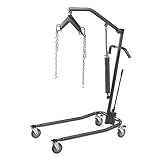 Drive Medical Hydraulic Patient Lift
A full lift is what makes one person able to manage a transfer alone. It is the single purchase that most often delays a move into residential care.
Check price on Amazon →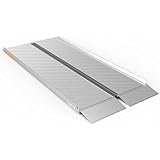 EZ-ACCESS Singlefold Wheelchair Ramp, 6 ft
Folds like a suitcase and carries in a car boot, so the same ramp handles the front step at home and the kerb at an appointment.
Check price on Amazon → Drive Medical Nitro Rollator with Seat
The seat matters more than the wheels. Being able to stop and rest is what decides whether someone still goes out at all.
Check price on Amazon → Vive Stand Assist Rail for Couch or Chair
Getting out of a low sofa is where most falls at home start. This is the cheapest thing on the list and often the first one needed.
Check price on Amazon →As an Amazon Associate we earn from qualifying purchases, at no extra cost to you. Researched guidance, not medical advice. Prices change, so check before buying.
Recognizing Hypoglycemia (Low Blood Sugar)
Blood sugar below 70 mg/dL. In elderly people, symptoms may be absent or different.
Early Warning Signs
- Shakiness, trembling
- Sweating (may be absent in elderly)
- Hunger
- Fast heartbeat
- Anxiety, irritability
- Pale skin
Severe Signs (Act Immediately)
- Confusion, disorientation
- Slurred speech
- Difficulty walking, clumsiness
- Behavior changes (may look like dementia)
- Drowsiness
- Seizures
- Loss of consciousness
If blood sugar is below 70: Give 15 grams of fast-acting carbs (4 glucose tablets, 4 oz juice, 1 tablespoon honey). Wait 15 minutes. Recheck. Repeat if still low. Once above 70, give a snack with protein. If unconscious, call 911, never put food in their mouth.
Blood Sugar Monitoring
How Often to Test
- On insulin: Usually 2-4 times daily (before meals, bedtime)
- Oral medications only: May only need a few times per week
- When sick: More frequently (every 4 hours)
- Frail/palliative: May only need occasional checks
Testing Tips for Elderly
- Large display meters: Easier to read
- Meters with fewer steps: Reduce confusion
- Continuous glucose monitors (CGM): Reduce finger sticks, alert to lows
- Keep a log: Record readings, meals, symptoms
- Test before driving: Never drive if under 100 mg/dL
Medication Management
Common Diabetes Medications
- Metformin: First-line, low hypoglycemia risk, may cause stomach upset
- Sulfonylureas (glipizide, glyburide): HIGH hypoglycemia risk, often reduced/stopped in elderly
- SGLT2 inhibitors: Dehydration risk, monitor closely
- GLP-1 agonists: Weekly injection, weight loss, low hypo risk
- Insulin: Various types, know which ones cause hypoglycemia
Sulfonylureas (glyburide, glipizide, glimepiride) and insulin cause the most hypoglycemia in elderly. If your parent is on these, be extra vigilant. Ask if lower doses or different medications are appropriate.
Insulin Tips
- Store correctly (refrigerate unopened, room temp when in use)
- Check expiration dates
- Rotate injection sites
- Use pen devices if dexterity is limited
- Set alarms for injection times
- Never skip meals after taking mealtime insulin
Diet and Nutrition
Key Principles
- Consistent carbohydrates: Same amount at same times each day
- Regular meals: Don't skip meals, especially if on insulin
- Balanced plate: Half vegetables, quarter protein, quarter carbs
- Limit sugary drinks: Water, unsweetened tea, diet drinks
- Watch portions: Especially of bread, rice, pasta, potatoes
When Appetite Is Poor
- Smaller, more frequent meals
- Nutrient-dense foods (eggs, cheese, nut butters)
- Don't force eating, adjust medications instead
- Alert doctor if not eating well (medication adjustment needed)
For elderly people, especially those with limited life expectancy, strict diets may reduce quality of life without much benefit. A piece of birthday cake at a family gathering may be more important than perfect blood sugar. Balance is key.
Foot Care
Diabetes damages nerves and circulation, making foot problems dangerous. Daily foot care prevents amputations.
Daily Foot Check
- Check tops, bottoms, between toes
- Look for cuts, blisters, redness, swelling
- Feel for temperature changes (could indicate infection)
- Use a mirror or have someone help if they can't see
- Report any problems immediately
Foot Protection
- Never go barefoot, always wear shoes or slippers
- Wear well-fitting shoes (no pressure points)
- Check inside shoes for objects before putting on
- Cut toenails straight across or have podiatrist do it
- Keep skin moisturized (not between toes)
- Don't use heating pads on feet
Preventing Complications
Regular Screenings
- A1C test: Every 3-6 months
- Eye exam: Annually (diabetic retinopathy)
- Kidney function: Annually
- Foot exam: At every doctor visit
- Blood pressure: Every visit (target usually below 140/90)
- Cholesterol: Annually
Signs of Complications
- Nerve damage: Numbness, tingling, burning in hands/feet
- Eye problems: Blurred vision, floaters, dark spots
- Kidney problems: Swelling in ankles, fatigue, foamy urine
- Heart problems: Chest pain, shortness of breath
- Infections: Slow-healing wounds, recurring UTIs
Sick Day Rules
When your parent is sick (cold, flu, infection), blood sugar can swing wildly.
- Test more often: Every 4 hours
- Stay hydrated: Sugar-free fluids
- Keep taking medications: Unless doctor says otherwise
- Eat if possible: Crackers, soup, toast if regular food won't stay down
- Call doctor if: Unable to eat for 24+ hours, vomiting, fever over 101°F, blood sugar over 300 or under 70 repeatedly
When to Seek Emergency Care
- Blood sugar over 400 mg/dL with confusion or vomiting
- Blood sugar under 70 that won't come up
- Loss of consciousness
- Seizure
- Signs of infection with very high blood sugar
- Chest pain or difficulty breathing
- Fruity breath odor (sign of diabetic ketoacidosis)
Simplifying Diabetes Care
For elderly patients, simpler is often better:
- Fewer medications when possible
- Less frequent testing if appropriate
- Pre-filled insulin pens instead of vials and syringes
- Pill organizers for oral medications
- CGM devices to reduce finger sticks
- Relaxed A1C targets to prevent hypoglycemia
- Focus on preventing symptoms, not perfect numbers
Medication Tracker Tool
Keep track of all medications, doses, and schedules in one place.
Get the Tracker