Your parent lost their keys again. They told you the same story twice in one phone call. They missed a doctor's appointment. Is this just normal aging, or something more concerning?
It's one of the most frightening questions adult children face. The fear of dementia looms over every forgotten name, every repeated question. But here's what you need to know: some cognitive changes are normal with aging, while others may signal the beginning of dementia. Knowing the difference can help you get early intervention, which matters for treatment and planning.
While there's no cure for most dementias, early diagnosis allows for treatment that may slow progression, time to plan for the future, access to clinical trials, ruling out reversible causes, and the ability to make wishes known while still able.
Normal Aging vs. Dementia Warning Signs
| Normal Aging | Possible Dementia |
|---|---|
| Occasionally forgetting names or appointments | Forgetting recently learned information repeatedly |
| Misplacing keys sometimes | Putting things in strange places (keys in refrigerator) |
| Sometimes struggling to find the right word | Trouble following or joining conversations |
| Making an occasional error in checkbook | Difficulty managing finances, unpaid bills |
| Needing help with new technology | Trouble with familiar tasks (using microwave, driving regular routes) |
| Sometimes forgetting what day it is but remembering later | Losing track of dates, seasons, or passage of time |
| Being set in your ways | Major personality or mood changes |
The equipment that changes the most
Most of what caregiving costs is time. These four are the purchases that reliably buy some of it back, and they are the ones families tell us they wish they had bought sooner.
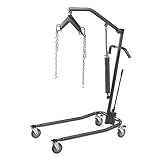 Drive Medical Hydraulic Patient Lift
A full lift is what makes one person able to manage a transfer alone. It is the single purchase that most often delays a move into residential care.
Check price on Amazon →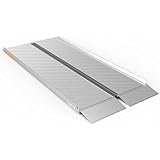 EZ-ACCESS Singlefold Wheelchair Ramp, 6 ft
Folds like a suitcase and carries in a car boot, so the same ramp handles the front step at home and the kerb at an appointment.
Check price on Amazon → Drive Medical Nitro Rollator with Seat
The seat matters more than the wheels. Being able to stop and rest is what decides whether someone still goes out at all.
Check price on Amazon → Vive Stand Assist Rail for Couch or Chair
Getting out of a low sofa is where most falls at home start. This is the cheapest thing on the list and often the first one needed.
Check price on Amazon →As an Amazon Associate we earn from qualifying purchases, at no extra cost to you. Researched guidance, not medical advice. Prices change, so check before buying.
The 10 Warning Signs of Dementia
The Alzheimer's Association identifies these 10 warning signs. If your parent shows several of these, especially if they're interfering with daily life, it's time for an evaluation.
1. Memory Loss That Disrupts Daily Life
- Forgetting recently learned information
- Asking the same questions repeatedly
- Relying heavily on memory aids or family for things they used to handle
- Forgetting important dates or events
2. Challenges in Planning or Solving Problems
- Difficulty following a recipe they've made for years
- Trouble managing bills or finances
- Difficulty concentrating on tasks
- Taking much longer to complete familiar tasks
3. Difficulty Completing Familiar Tasks
- Trouble driving to familiar locations
- Forgetting rules of a favorite game
- Difficulty using household appliances
- Trouble following recipes or organizing tasks
4. Confusion with Time or Place
- Losing track of dates, seasons, passage of time
- Not knowing where they are or how they got there
- Forgetting what they're waiting for or why they came to a room
5. Trouble Understanding Visual Images and Spatial Relationships
- Difficulty reading or judging distance
- Problems with balance or depth perception
- Trouble driving (misjudging distances, missing traffic signals)
6. New Problems with Words in Speaking or Writing
- Trouble following or joining conversations
- Stopping mid-sentence, unable to continue
- Using wrong words or made-up words
- Difficulty naming familiar objects
7. Misplacing Things and Losing Ability to Retrace Steps
- Putting things in unusual places
- Unable to retrace steps to find lost items
- Accusing others of stealing (can't remember where they put things)
8. Decreased or Poor Judgment
- Giving money to telemarketers or scammers
- Paying less attention to personal hygiene
- Making poor financial decisions
- Wearing inappropriate clothing for weather
9. Withdrawal from Work or Social Activities
- Stopping hobbies they used to enjoy
- Avoiding social situations
- Sleeping more, less engaged
- May be aware something is wrong and feel embarrassed
10. Changes in Mood and Personality
- Becoming confused, suspicious, depressed, fearful, anxious
- Being easily upset out of their comfort zone
- Personality changes, quiet person becomes talkative or vice versa
- Increased irritability or apathy
If you notice changes and find yourself thinking "that's not like them," pay attention. You know your parent. If their behavior or cognition has changed in ways that concern you, it's worth getting checked, even if others say "they seem fine to me."
Conditions That Can Mimic Dementia
Before assuming it's dementia, know that many treatable conditions can cause similar symptoms:
- Urinary tract infections: Very common cause of sudden confusion in elderly
- Medication side effects: Many drugs affect cognition, especially in combination
- Depression: Can cause memory problems, apathy, withdrawal
- Thyroid problems: Both hyper- and hypothyroidism affect cognition
- Vitamin B12 deficiency: Causes cognitive symptoms that are reversible if caught
- Dehydration: Common in elderly, causes confusion
- Sleep disorders: Sleep apnea causes cognitive impairment
- Hearing or vision loss: Can look like confusion when they can't hear or see
- Normal pressure hydrocephalus: Treatable brain condition
Up to 20% of dementia-like symptoms are caused by reversible conditions. This is why medical evaluation is so important, the "dementia" might be fixable.
Getting a Diagnosis
When to See a Doctor
- Multiple warning signs present
- Symptoms are interfering with daily life
- Changes have been progressing over months
- You or your parent are worried
What to Expect at the Evaluation
- Medical history: When symptoms started, how they've progressed
- Physical exam: Looking for treatable causes
- Lab tests: Blood work to check thyroid, B12, kidney/liver function
- Cognitive testing: Memory, thinking, and problem-solving tests
- Brain imaging: MRI or CT scan to look for strokes, tumors, or atrophy
- Specialist referral: Neurologist or geriatrician for complex cases
How to Talk to Your Parent About Getting Evaluated
- Express concern, not criticism: "I've noticed some changes and I'm worried"
- Focus on health: "Let's make sure everything's okay"
- Suggest it's routine: "The doctor should check on some things"
- Accompany them: Offer to go to the appointment together
- If they refuse: Talk to their doctor separately about concerns
Types of Dementia
Alzheimer's Disease
The most common type (60-80% of cases). Typically starts with memory problems and gradually affects thinking, behavior, and function. Progresses slowly over years.
Vascular Dementia
Second most common. Caused by reduced blood flow to the brain, often from strokes. May progress in a stepwise fashion with sudden declines. Managing vascular risk factors may slow progression.
Lewy Body Dementia
Causes fluctuating cognition, visual hallucinations, movement symptoms similar to Parkinson's, and sleep disturbances. Very sensitive to certain medications.
Frontotemporal Dementia
Affects personality, behavior, and language more than memory initially. Often occurs younger (40s-60s). May cause disinhibition, apathy, or language problems.
Mixed Dementia
Combination of types, often Alzheimer's plus vascular dementia. Common in older adults.
If the Diagnosis Is Dementia
Immediate Steps
- Learn about the specific type diagnosed
- Discuss treatment options with the doctor
- Get legal documents in place while capacity remains (POA, advance directives)
- Assess safety (driving, living situation, finances)
- Connect with support resources
Treatment Options
- Medications: Cholinesterase inhibitors (Aricept, Exelon) may help symptoms temporarily
- Lecanemab/Donanemab: New drugs that may slow Alzheimer's progression in early stages
- Lifestyle factors: Exercise, social engagement, cognitive stimulation may help
- Managing other conditions: Treating depression, controlling blood pressure, managing diabetes
Planning for the Future
- Discuss wishes for care while they can participate
- Arrange finances and legal matters
- Consider future living arrangements
- Build a care team and support network
- Learn what to expect as the disease progresses
Get Organized for What's Ahead
Our Dementia Care Guide and Estate Planning Workbook help you navigate the diagnosis and plan for the future.
Get the Complete Caregiver Kit- Some cognitive changes are normal with aging, but patterns of decline are not
- 10 warning signs include memory loss, confusion, poor judgment, and personality changes
- Many conditions mimic dementia and are treatable (UTI, medications, depression, B12)
- Medical evaluation is essential, don't assume it's "just aging"
- Early diagnosis allows for treatment, planning, and making wishes known
- If diagnosed, focus on safety, legal documents, and building support
- Trust your instincts if something seems wrong with your parent