Your parent worries constantly about everything, their health, money, safety, family. They call multiple times a day needing reassurance. They refuse to go anywhere new. The worry seems to consume them, making their life smaller and smaller.
Anxiety in the elderly is extremely common but often unrecognized. It looks different than in younger adults, is frequently mistaken for other conditions, and is very treatable once identified. Understanding what's happening can help you get your parent the help they need.
Up to 20% of older adults have significant anxiety, but fewer than half are diagnosed or treated. It often coexists with depression, medical conditions, and cognitive decline, making it easy to miss.
How Anxiety Looks Different in Elderly
Anxiety in older adults often presents differently than in younger people:
- Physical complaints: Fatigue, insomnia, digestive issues, pain, dizziness, rather than "feeling anxious"
- Excessive worry about health: Constant concern about symptoms, fear of illness
- Fear of falling: Restricting activities to stay "safe"
- Need for reassurance: Repeatedly asking the same questions, needing confirmation
- Resistance to change: Refusing new activities, places, or people
- Sleep problems: Trouble falling or staying asleep, nighttime worry
- Memory complaints: Anxiety interferes with concentration, mimicking dementia
- Irritability: Snapping at family members
Anxious people have trouble concentrating and may seem forgetful or confused. Don't assume cognitive decline, anxiety is treatable and improving it often improves apparent memory problems.
The equipment that changes the most
Most of what caregiving costs is time. These four are the purchases that reliably buy some of it back, and they are the ones families tell us they wish they had bought sooner.
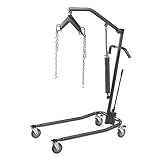 Drive Medical Hydraulic Patient Lift
A full lift is what makes one person able to manage a transfer alone. It is the single purchase that most often delays a move into residential care.
Check price on Amazon →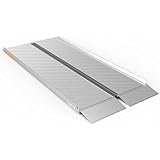 EZ-ACCESS Singlefold Wheelchair Ramp, 6 ft
Folds like a suitcase and carries in a car boot, so the same ramp handles the front step at home and the kerb at an appointment.
Check price on Amazon → Drive Medical Nitro Rollator with Seat
The seat matters more than the wheels. Being able to stop and rest is what decides whether someone still goes out at all.
Check price on Amazon → Vive Stand Assist Rail for Couch or Chair
Getting out of a low sofa is where most falls at home start. This is the cheapest thing on the list and often the first one needed.
Check price on Amazon →As an Amazon Associate we earn from qualifying purchases, at no extra cost to you. Researched guidance, not medical advice. Prices change, so check before buying.
Common Causes and Triggers
Life Changes and Losses
- Death of spouse, friends, siblings
- Loss of independence (driving, living situation)
- Health diagnoses and physical decline
- Retirement and loss of identity
- Moving from longtime home
- Financial worries
Medical Causes
- Medications: Steroids, thyroid medication, decongestants, some blood pressure drugs
- Caffeine: More sensitive with age
- Thyroid disorders: Both hyper- and hypothyroidism
- Heart conditions: Arrhythmias, heart failure
- Respiratory conditions: COPD, shortness of breath causes anxiety
- Chronic pain: Constant discomfort is anxiety-provoking
- Dementia: Anxiety is common in early dementia
- Alcohol or benzodiazepine withdrawal: Can cause severe anxiety
Social Factors
- Isolation and loneliness
- Loss of control over life decisions
- Feeling like a burden
- Hearing and vision loss (increases disorientation)
- Fear of crime or being scammed
Types of Anxiety in Elderly
Generalized Anxiety Disorder (GAD)
Excessive worry about many things, health, family, money, daily activities. Difficult to control, present most days for months.
Specific Phobias
Intense fear of specific situations: fear of falling, fear of being alone, fear of going outside (agoraphobia).
Health Anxiety
Excessive worry about having serious illness, frequent doctor visits, needing constant reassurance about symptoms.
Anxiety with Depression
Very common, anxiety and depression frequently occur together in elderly. Both need to be treated.
Anxiety with Dementia
Anxiety often accompanies cognitive decline, especially in early stages when the person is aware something is wrong.
Treatment Options
Therapy
- Cognitive Behavioral Therapy (CBT): Highly effective for anxiety in elderly; addresses thought patterns
- Relaxation training: Deep breathing, progressive muscle relaxation
- Exposure therapy: Gradual exposure to feared situations
- Problem-solving therapy: Practical approach to worry triggers
Some people assume "you can't teach an old dog new tricks", but studies show CBT is just as effective for elderly patients as for younger ones. Age isn't a barrier to therapy.
Medications
First-line options:
- SSRIs: Sertraline (Zoloft), escitalopram (Lexapro), citalopram (Celexa), start low, go slow
- SNRIs: Venlafaxine (Effexor), duloxetine (Cymbalta)
- Buspirone: Non-sedating, takes weeks to work
Use with caution:
- Benzodiazepines (Ativan, Xanax, Valium): Increase fall risk, cognitive impairment, dependence, avoid if possible
- Antihistamines: Benadryl and similar increase confusion, falls
While these are often prescribed for anxiety, they significantly increase fall risk, confusion, and memory problems in elderly. They should be avoided or used very short-term. If already taking, don't stop suddenly, taper with medical supervision.
Lifestyle Approaches
- Regular exercise: Even walking helps anxiety
- Sleep hygiene: Poor sleep worsens anxiety
- Reduce caffeine: Older bodies are more sensitive
- Social connection: Isolation worsens anxiety
- Routine: Predictability reduces anxiety
- Limit news/media: Constant bad news increases worry
What Caregivers Can Do
Helpful Approaches
- Validate feelings: "I understand you're worried" rather than "stop worrying"
- Stay calm: Your anxiety adds to theirs
- Maintain routine: Predictable days are less anxiety-provoking
- Limit reassurance: Endless reassurance actually maintains anxiety
- Encourage activity: Keeping busy reduces rumination
- Set gentle boundaries: "I can talk for 10 minutes" rather than endless calls
Unhelpful Responses (Avoid These)
- "Just stop worrying", if they could, they would
- "That's ridiculous", dismisses real feelings
- Arguing with their fears, rarely works
- Complete avoidance of triggers, reinforces fear
- Endless reassurance, briefly helps, then need grows
Help Them Get Treatment
- Talk to their doctor about anxiety symptoms
- Consider a geriatric psychiatrist for complex cases
- Look for therapists who work with older adults
- Address underlying medical causes
- Review all medications for anxiety effects
When to Seek Help Urgently
- Panic attacks that feel like heart attacks
- Anxiety so severe they can't eat, sleep, or function
- Suicidal thoughts (anxiety and depression together increase risk)
- Complete refusal to leave home
- New or worsening confusion
- Alcohol or medication misuse to cope with anxiety
Track Symptoms and Patterns
Our Daily Care Log helps you document symptoms and patterns to share with doctors.
Get the Complete Caregiver Kit- Anxiety is extremely common in elderly, but often missed
- It looks different: physical complaints, health worry, fear of falling, need for reassurance
- Many causes: medical conditions, medications, life changes, losses
- Anxiety can mimic dementia, treatment may improve "memory problems"
- Therapy (CBT) works well for elderly patients
- SSRIs are first-line medication; avoid benzodiazepines if possible
- Validate feelings without providing endless reassurance
- Exercise, routine, social connection, and limiting caffeine all help