If your aging parent seems increasingly anxious, worried about things that never bothered them before, or fearful in ways that affect daily life, you're not imagining it. Anxiety is actually more common in older adults than depression, affecting up to 15% of people over 65.
Yet anxiety in the elderly often goes unrecognized and untreated. Seniors may not recognize their symptoms as anxiety, dismiss them as "normal aging," or focus on physical symptoms instead. Understanding what's happening, and how to help, can significantly improve your parent's quality of life.
Anxiety disorders in older adults are underdiagnosed by up to 50%. Symptoms often present differently than in younger people, and both seniors and healthcare providers may attribute anxiety symptoms to physical illness or "just getting older."
Why Anxiety Often Increases with Age
Aging brings many legitimate reasons for increased worry. Understanding the sources helps with compassion and appropriate support.
Life Changes That Trigger Anxiety
- Health concerns: Chronic illness, new diagnoses, declining physical ability
- Loss and grief: Death of spouse, friends, siblings; shrinking social circle
- Independence loss: Giving up driving, needing help with daily tasks
- Financial worry: Fixed income, medical expenses, fear of outliving savings
- Role changes: Retirement, feeling less useful or needed
- Fear of death: Mortality awareness increases, especially after health scares
- Living situation changes: Moving, downsizing, or entering care facilities
Physical Factors That Contribute
- Medication side effects: Many common medications can cause or worsen anxiety
- Chronic pain: Constant pain creates ongoing stress and worry
- Sleep problems: Poor sleep both causes and worsens anxiety
- Caffeine sensitivity: Older bodies metabolize caffeine more slowly
- Thyroid disorders: Hyperthyroidism can mimic anxiety symptoms
- Heart conditions: Some cardiac issues cause anxiety-like symptoms
- Nutritional deficiencies: B12 and other vitamin deficiencies affect mood
Before assuming anxiety is purely psychological, have your parent's doctor check for medical conditions that can cause anxiety-like symptoms: thyroid problems, heart arrhythmias, respiratory conditions, and medication interactions are common culprits.
The equipment that changes the most
Most of what caregiving costs is time. These four are the purchases that reliably buy some of it back, and they are the ones families tell us they wish they had bought sooner.
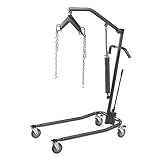 Drive Medical Hydraulic Patient Lift
A full lift is what makes one person able to manage a transfer alone. It is the single purchase that most often delays a move into residential care.
Check price on Amazon →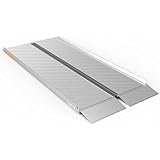 EZ-ACCESS Singlefold Wheelchair Ramp, 6 ft
Folds like a suitcase and carries in a car boot, so the same ramp handles the front step at home and the kerb at an appointment.
Check price on Amazon → Drive Medical Nitro Rollator with Seat
The seat matters more than the wheels. Being able to stop and rest is what decides whether someone still goes out at all.
Check price on Amazon → Vive Stand Assist Rail for Couch or Chair
Getting out of a low sofa is where most falls at home start. This is the cheapest thing on the list and often the first one needed.
Check price on Amazon →As an Amazon Associate we earn from qualifying purchases, at no extra cost to you. Researched guidance, not medical advice. Prices change, so check before buying.
Recognizing Anxiety in Elderly Parents
Anxiety in older adults often looks different than in younger people. Your parent may not say "I'm anxious", they may describe physical symptoms or express worry in indirect ways.
Common Signs to Watch For
| Type | Signs to Watch |
|---|---|
| Physical | Fatigue, muscle tension, trembling, sweating, rapid heartbeat, dizziness, stomach problems, sleep difficulties |
| Behavioral | Avoiding activities they once enjoyed, excessive checking (doors, stove), need for constant reassurance, difficulty making decisions, restlessness |
| Emotional | Irritability, feeling on edge, disproportionate worry about minor things, fear of "something bad happening," difficulty relaxing |
| Cognitive | Racing thoughts, difficulty concentrating, memory concerns (anxiety impairs memory), catastrophic thinking ("what if" spirals) |
Specific Anxiety Patterns in Seniors
- Health anxiety: Excessive worry about symptoms, frequent doctor visits, fear that minor issues are serious
- Financial anxiety: Obsessive concern about money even when finances are stable
- Safety fears: Excessive worry about crime, falls, accidents, or leaving home
- Separation anxiety: Distress when caregivers leave, constant need for presence
- Generalized worry: Free-floating anxiety that attaches to whatever is available
Anxiety can cause memory and concentration problems that look like dementia, and people with early dementia often develop anxiety. If your parent shows both anxiety and cognitive changes, a thorough medical evaluation can help distinguish between them, or identify if both are present.
How to Help an Anxious Parent
What to Do
- Listen without dismissing: Acknowledge their feelings even if the fears seem unreasonable to you
- Validate the difficulty: "It makes sense that you'd worry about that. This is a lot to deal with."
- Offer reassurance calmly: Once, not repeatedly. Endless reassurance can reinforce anxiety.
- Help problem-solve: For realistic concerns, work together on practical solutions
- Maintain routines: Predictability reduces anxiety; keep schedules consistent
- Encourage activity: Gentle exercise, social connection, and engagement help
- Model calmness: Your own calm presence is soothing; anxiety is contagious, but so is calm
What to Avoid
- Don't say "just relax": If they could, they would. This dismisses their struggle.
- Don't argue with anxiety: Logic doesn't resolve irrational fears. Acknowledge feelings instead.
- Don't accommodate excessively: Repeatedly checking locks or calling to reassure can worsen anxiety over time
- Don't take over: Helping your parent stay capable maintains confidence
- Don't catastrophize with them: Stay grounded even when they spiral
- "I can see you're really worried about this."
- "That sounds scary. What would help right now?"
- "Let's take a few breaths together."
- "We've handled hard things before. We'll figure this out too."
- "What's one small thing we can do about this today?"
Practical Coping Strategies
Daily Habits That Reduce Anxiety
- Regular sleep schedule: Anxiety and sleep problems feed each other; consistent sleep times help
- Limit caffeine: Coffee, tea, and soda can worsen anxiety, especially in afternoon/evening
- Gentle exercise: Walking, stretching, or chair exercises reduce anxiety symptoms
- Social connection: Isolation worsens anxiety; regular contact with others helps
- Limited news consumption: Constant news increases anxiety; set specific times for updates
- Time outdoors: Natural light and fresh air have calming effects
Relaxation Techniques
These techniques can help in anxious moments:
- Deep breathing: Slow, deep breaths (4 counts in, hold 4, out 4) activate the calming nervous system
- 5-4-3-2-1 grounding: Name 5 things you see, 4 you hear, 3 you feel, 2 you smell, 1 you taste
- Progressive muscle relaxation: Systematically tense and release muscle groups
- Guided imagery: Imagining a peaceful, safe place in detail
- Simple mantras: Repeating calming phrases like "This will pass" or "I am safe"
Relaxation techniques work better if practiced regularly when not anxious. Help your parent practice deep breathing daily so it becomes automatic and available during anxious moments.
Cognitive Strategies
- Worry time: Designate 15-20 minutes for worrying, then consciously set worries aside
- Reality testing: "What's the evidence for this fear? What's more likely?"
- Worst case planning: "If the worst happened, what would we do?" Having a plan reduces fear.
- Gratitude practice: Noting positive things shifts focus from threats
When Professional Help Is Needed
While support and self-help strategies help many people, professional treatment is important when anxiety:
- Significantly interferes with daily life and functioning
- Prevents your parent from leaving home or doing necessary activities
- Causes constant distress that doesn't improve
- Is accompanied by depression or suicidal thoughts
- Leads to alcohol or medication misuse
- Causes physical symptoms that affect health
Seek immediate help if your parent expresses thoughts of suicide or self-harm, stops eating or caring for themselves, or experiences panic attacks with chest pain or difficulty breathing (which should also be evaluated for heart problems).
Treatment Options for Elderly Anxiety
| Treatment | Description |
|---|---|
| Cognitive-Behavioral Therapy (CBT) | Evidence-based talk therapy that helps change thought patterns and behaviors. Effective for older adults when adapted to their needs. |
| Medication | SSRIs/SNRIs are first-line; benzodiazepines used cautiously short-term (increased fall risk, confusion). Buspirone may be helpful with fewer risks. |
| Relaxation Training | Structured programs to learn and practice relaxation techniques with professional guidance. |
| Support Groups | Peer support from others facing similar challenges reduces isolation and provides coping strategies. |
Finding the Right Provider
- Primary care doctor: Good starting point; can rule out medical causes and prescribe if needed
- Geriatric psychiatrist: Specializes in mental health for older adults; understands medication sensitivities
- Psychologist or therapist: Look for someone experienced with older adults
- Consider telehealth: Video therapy sessions may be easier than travel
Many older adults resist mental health treatment due to stigma. Frame it as help for stress, sleep, or physical symptoms rather than "mental illness." Emphasize that feeling better is the goal, not a lifetime of therapy.
Medication Considerations in Older Adults
Medication can be helpful but requires careful consideration in elderly patients.
Important Factors
- Start low, go slow: Older adults often need lower doses and gradual increases
- Drug interactions: Review all medications for interactions before starting new ones
- Side effect monitoring: Older adults are more susceptible to side effects
- Benzodiazepine caution: Drugs like Ativan, Xanax, Valium increase fall and confusion risk in elderly
- Patience: Antidepressants take 4-6 weeks to show full effect
Review all current medications with the doctor. Steroids, some blood pressure medications, thyroid medications, decongestants, and caffeine-containing products can all cause or worsen anxiety symptoms.
Caring for Yourself as You Care for Them
Living with or caring for an anxious parent is stressful. Their worry can become your worry. Protecting your own mental health is essential.
Caregiver Self-Care
- Set boundaries: You can be supportive without being constantly available
- Get your own support: Talk to friends, join a caregiver group, consider therapy
- Take breaks: Respite care isn't selfish, it's necessary
- Manage your own anxiety: Use the same coping strategies you encourage in your parent
- Accept limits: You can't fix their anxiety; you can only support them through it
Constantly absorbing someone's anxiety is exhausting. If you find yourself feeling numb, irritable, or dreading contact with your parent, you may need more support yourself. This is a normal response to a difficult situation, not a character flaw.
Having Difficult Conversations
Our conversation scripts help you talk to anxious parents about getting help, planning for the future, and setting boundaries with compassion.
Get the Complete Caregiver KitLong-Term Outlook
Anxiety in older adults is very treatable. With appropriate support, whether from family, lifestyle changes, therapy, medication, or a combination, most people see significant improvement.
The goal isn't to eliminate all worry (some worry is protective) but to reduce anxiety to a level that doesn't impair quality of life. Small improvements matter: better sleep, more willingness to engage in activities, less distress during daily life.
- Anxiety is common in older adults and often underdiagnosed
- Many factors contribute: life changes, health issues, medications, isolation
- Symptoms may look different than in younger people (physical complaints, health anxiety)
- Listen and validate without excessive accommodation
- Simple lifestyle changes and coping strategies can help significantly
- Professional help is available and effective when needed
- Caring for an anxious parent requires caring for yourself too