It's not a topic anyone wants to discuss, but constipation is one of the most common, and most impactful, health issues affecting elderly adults. Up to 40% of seniors experience chronic constipation, and it's a leading cause of emergency room visits, hospitalizations, and significant distress.
Beyond discomfort, untreated constipation can cause serious complications: fecal impaction, bowel obstruction, confusion (yes, constipation can cause cognitive changes in elderly people), and dangerous straining that affects heart health. Understanding causes and safe solutions matters.
Call the doctor immediately or go to the ER if your parent has:
- No bowel movement for 7+ days
- Severe abdominal pain or distension
- Vomiting with constipation
- Blood in stool or black, tarry stools
- Sudden confusion or behavior change with constipation
- Fever with abdominal symptoms
Why Constipation Is So Common in Elderly Adults
Physical Changes with Aging
- Slower intestinal motility: The gut naturally slows down with age
- Weakened pelvic floor muscles: Harder to push effectively
- Reduced sensation: Less awareness of the urge to go
- Changes in gut bacteria: Microbiome shifts affect digestion
Medication Culprits
Many common medications cause or worsen constipation:
- Opioid pain medications: The most common cause of severe constipation
- Calcium channel blockers: Blood pressure medications
- Anticholinergics: Bladder medications, antihistamines, some antidepressants
- Iron supplements: Especially ferrous sulfate
- Calcium supplements: Particularly calcium carbonate
- Diuretics: Can cause dehydration
- Antacids with aluminum: Common OTC heartburn medications
If your parent takes opioid pain medication (oxycodone, hydrocodone, morphine, tramadol), constipation isn't just likely, it's almost guaranteed. Unlike other side effects, the body doesn't adjust to opioid constipation. They need a bowel regimen from day one of taking opioids, not after problems develop.
Lifestyle and Diet Factors
- Insufficient fluids: Dehydration is extremely common in elderly
- Low fiber intake: Soft, easy-to-eat foods are often low in fiber
- Limited mobility: Physical activity stimulates the gut
- Ignoring the urge: Repeatedly delaying bowel movements causes problems
- Changed routines: Travel, hospitalization, or moving disrupts patterns
Medical Conditions
- Diabetes (affects nerve function)
- Hypothyroidism (underactive thyroid)
- Parkinson's disease
- Stroke
- Depression (affects gut motility and motivation)
- Colon or rectal cancer (new-onset constipation needs evaluation)
The equipment that changes the most
Most of what caregiving costs is time. These four are the purchases that reliably buy some of it back, and they are the ones families tell us they wish they had bought sooner.
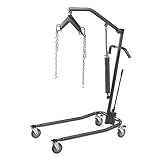 Drive Medical Hydraulic Patient Lift
A full lift is what makes one person able to manage a transfer alone. It is the single purchase that most often delays a move into residential care.
Check price on Amazon →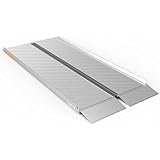 EZ-ACCESS Singlefold Wheelchair Ramp, 6 ft
Folds like a suitcase and carries in a car boot, so the same ramp handles the front step at home and the kerb at an appointment.
Check price on Amazon → Drive Medical Nitro Rollator with Seat
The seat matters more than the wheels. Being able to stop and rest is what decides whether someone still goes out at all.
Check price on Amazon → Vive Stand Assist Rail for Couch or Chair
Getting out of a low sofa is where most falls at home start. This is the cheapest thing on the list and often the first one needed.
Check price on Amazon →As an Amazon Associate we earn from qualifying purchases, at no extra cost to you. Researched guidance, not medical advice. Prices change, so check before buying.
What's "Normal" for Elderly Adults?
Normal bowel habits vary widely. The myth that you must have daily bowel movements isn't true. However, there are guidelines:
| Aspect | Normal Range | Concerning |
|---|---|---|
| Frequency | 3x daily to 3x weekly | Less than 3x weekly |
| Effort | Minimal straining | Excessive straining, pain |
| Consistency | Soft, formed | Hard pellets, liquid overflow |
| Sensation | Complete evacuation | Feeling of incomplete emptying |
Doctors use a 1-7 scale. Types 1-2 indicate constipation (hard lumps). Types 3-4 are ideal. Types 5-7 indicate diarrhea. Ask your parent's doctor about what they're looking for.
Safe Treatment Options
First-Line Approaches: Diet and Lifestyle
- Increase fluids: Aim for 6-8 glasses daily (unless fluid-restricted)
- Add fiber gradually: Too fast causes gas and bloating
- Prunes and prune juice: Natural sorbitol acts as mild laxative
- Movement: Even brief walks help stimulate the gut
- Establish routine: Same time daily, especially after meals
- Toilet positioning: Footstool to raise knees above hips helps
Over-the-Counter Options
| Type | Examples | How They Work | Notes |
|---|---|---|---|
| Fiber supplements | Metamucil, Citrucel, Benefiber | Bulk-forming | Must drink plenty of water; can worsen impaction |
| Stool softeners | Colace (docusate) | Add moisture to stool | Mild effect; good for prevention, not active constipation |
| Osmotic laxatives | MiraLAX (PEG), Milk of Magnesia | Draw water into colon | Safe for longer-term use; MiraLAX often first choice |
| Stimulant laxatives | Dulcolax, Senokot, Ex-Lax | Stimulate gut contractions | More powerful; avoid daily long-term use |
| Glycerin suppositories | Fleet glycerin | Lubricate and stimulate rectum | Work within minutes; good for occasional use |
| Enemas | Fleet enema, saline | Flush and stimulate rectum | For severe constipation; use carefully |
- Sodium phosphate enemas (Fleet): Can cause dangerous electrolyte imbalances in elderly, especially with kidney problems
- Mineral oil: Aspiration risk; interferes with vitamin absorption
- Long-term daily stimulant laxatives: Can cause dependency, though this is debated
- Magnesium-based products with kidney disease: Can accumulate dangerously
Prescription Options
If OTC options don't work, doctors may prescribe:
- Linzess (linaclotide): For chronic idiopathic constipation
- Trulance (plecanatide): Similar mechanism to Linzess
- Amitiza (lubiprostone): Chloride channel activator
- Movantik, Relistor: Specifically for opioid-induced constipation
- Lactulose: Prescription osmotic, often used for hepatic encephalopathy
Managing Opioid-Induced Constipation
This deserves special attention because it's so common and preventable:
Prevention Protocol
- Start a bowel regimen when opioids are started, not after problems develop
- Stool softener plus stimulant laxative is standard (e.g., Colace + Senna)
- MiraLAX daily is often added
- Increase as needed, the goal is a bowel movement every 1-2 days
- Prescription medications (Movantik, Relistor) if OTC fails
Common starting protocol: Senna-S (senna + docusate) 2 tablets at bedtime, plus MiraLAX 17g daily. Adjust based on results. Add bisacodyl suppository if no BM in 3 days. Always talk to the prescribing doctor.
When Constipation Becomes Dangerous
Fecal Impaction
A hard mass of stool that can't pass naturally. Signs include:
- No bowel movement for many days despite urge
- Abdominal distension and discomfort
- Liquid stool leaking around the blockage (can be mistaken for diarrhea)
- Confusion or agitation (especially in dementia patients)
- Urinary retention
Impaction requires medical treatment, usually manual disimpaction (not something to try at home), followed by aggressive bowel cleanout.
Bowel Obstruction
A complete blockage requiring emergency treatment. Signs:
- Severe abdominal pain, often crampy
- Vomiting, especially of material that looks like stool
- Bloated, distended abdomen
- Complete inability to pass gas or stool
In elderly adults, severe constipation or impaction can cause sudden confusion, agitation, or delirium, especially in those with dementia. If your parent suddenly seems more confused, checking for constipation should be one of the first steps.
Practical Caregiving Strategies
Tracking Bowel Movements
Keep a simple log of:
- Date and time of bowel movements
- Consistency (using Bristol scale or simple description)
- Any straining or difficulty
- Medications or laxatives used
- Fluid and fiber intake
This information helps doctors adjust treatment and spot patterns.
Having the Conversation
Many elderly adults are embarrassed to discuss bowel habits. Approach it matter-of-factly:
- "The doctor needs to know about your bowel movements, it's important for your health."
- "Constipation is really common with your medications. Let's make sure we're managing it."
- "Have you been able to go to the bathroom okay? Any problems?"
Bathroom Safety and Comfort
- Ensure easy bathroom access (clear path, nightlight)
- Install grab bars for safety
- Raised toilet seat if mobility is limited
- Footstool to elevate knees (improves positioning)
- Privacy and time, rushing creates problems
Diet and Fiber Tips
High-Fiber Foods Suitable for Elderly
- Fruits: Prunes (most effective), pears, apples, berries
- Vegetables: Cooked carrots, spinach, sweet potatoes
- Grains: Oatmeal, whole wheat bread, bran cereals
- Legumes: Lentils, beans (well-cooked for easier digestion)
- Snacks: Popcorn (if they can chew safely), dried fruit
Prunes are nature's laxative. Start with 3-4 prunes daily or 4 ounces of prune juice. Many people find warm prune juice in the morning works well. The sorbitol and fiber work together naturally.
Fiber Cautions
- Increase fiber gradually over 2-3 weeks to prevent gas and bloating
- Must drink adequate fluids with fiber, otherwise it can make constipation worse
- If there's possible impaction or obstruction, don't add fiber until cleared
- Some fiber supplements can interfere with medication absorption
When to See the Doctor
Beyond emergencies, schedule a medical evaluation for:
- New onset constipation, especially over age 50 (needs colon cancer screening)
- Constipation not responding to OTC treatments
- Alternating constipation and diarrhea
- Unexplained weight loss with constipation
- Thin, pencil-like stools
- Blood in stool or on toilet paper
- Persistent feeling of incomplete evacuation
Track Symptoms and Medications
Our Daily Care Log includes bowel movement tracking, medication schedules, and symptom documentation to share with doctors.
Get the Complete Caregiver Kit- Constipation affects up to 40% of elderly adults, it's common but not normal aging
- Medications are often the culprit, especially opioids
- Start with fluids, fiber, and movement before medications
- MiraLAX (PEG) is generally safest for longer-term use
- Start a bowel regimen immediately when opioids are prescribed
- Severe constipation can cause confusion in elderly people
- Track bowel movements and share information with doctors
- New onset constipation over 50 needs medical evaluation