Dehydration is one of the most common reasons elderly adults end up in the hospital, and one of the most preventable. Up to 40% of community-dwelling older adults are chronically underhydrated, and many families don't recognize the problem until it becomes a medical emergency.
Dehydration in seniors isn't just about drinking more water. Their bodies don't signal thirst the way they used to, and multiple factors conspire to keep them from getting enough fluids.
Seek immediate medical care if you notice: confusion or sudden behavior change, rapid heartbeat, very dark urine or no urination, dizziness or fainting, sunken eyes, extreme fatigue, or fever with inability to keep fluids down.
Why Seniors Get Dehydrated
Physical Changes with Aging
- Reduced thirst sensation: The brain doesn't signal thirst as effectively
- Decreased total body water: Older bodies hold less water overall
- Kidney function changes: Less ability to concentrate urine and conserve water
- Medication effects: Diuretics, laxatives, and many other drugs increase fluid loss
Behavioral Factors
- Limiting fluids to avoid bathroom trips: Fear of incontinence or falls
- Difficulty getting drinks: Mobility problems, can't reach or open containers
- Forgetting to drink: Especially with dementia
- Not recognizing thirst: Don't feel thirsty even when dehydrated
- Swallowing difficulties: Fear of choking makes drinking uncomfortable
Situational Causes
- Hot weather or overheated homes
- Illness with fever, vomiting, or diarrhea
- Increased urination from uncontrolled diabetes
- Recent surgery or hospitalization
- Living alone with no reminders to drink
Many seniors deliberately restrict fluids because they don't want to deal with frequent bathroom trips, nighttime urination, or incontinence fears. This strategy backfires badly, chronic dehydration causes far more problems than it solves. Address the underlying bathroom concerns instead.
The equipment that changes the most
Most of what caregiving costs is time. These four are the purchases that reliably buy some of it back, and they are the ones families tell us they wish they had bought sooner.
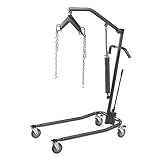 Drive Medical Hydraulic Patient Lift
A full lift is what makes one person able to manage a transfer alone. It is the single purchase that most often delays a move into residential care.
Check price on Amazon →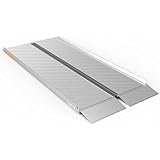 EZ-ACCESS Singlefold Wheelchair Ramp, 6 ft
Folds like a suitcase and carries in a car boot, so the same ramp handles the front step at home and the kerb at an appointment.
Check price on Amazon → Drive Medical Nitro Rollator with Seat
The seat matters more than the wheels. Being able to stop and rest is what decides whether someone still goes out at all.
Check price on Amazon → Vive Stand Assist Rail for Couch or Chair
Getting out of a low sofa is where most falls at home start. This is the cheapest thing on the list and often the first one needed.
Check price on Amazon →As an Amazon Associate we earn from qualifying purchases, at no extra cost to you. Researched guidance, not medical advice. Prices change, so check before buying.
Warning Signs of Dehydration
Early Signs
- Dark yellow or amber urine
- Decreased urination
- Dry mouth and lips
- Fatigue or low energy
- Headache
- Muscle cramps
- Constipation
Moderate Dehydration
- Dizziness, especially when standing
- Confusion or difficulty concentrating
- Very concentrated (dark) urine
- Dry skin that doesn't bounce back when pinched
- Rapid heartbeat
- Low blood pressure
Severe Dehydration (Emergency)
- No urination or very dark urine
- Extreme confusion or delirium
- Sunken eyes
- Rapid, weak pulse
- Low blood pressure
- Fever
- Unconsciousness
Dehydration commonly causes confusion in elderly adults, so commonly that checking hydration status should be one of the first steps when a senior shows sudden mental changes. Many cases of "dementia" or "hospital delirium" are actually dehydration that resolves with fluids.
Simple Hydration Tests
Check Urine Color
Urine should be pale yellow, like lemonade. If it's darker (like apple juice), they need more fluids. Clear urine may indicate overhydration in some cases.
Skin Turgor Test
Gently pinch the skin on the back of the hand or forearm. In a hydrated person, it should snap back immediately. If it stays "tented" for a few seconds, dehydration may be present. Note: This test is less reliable in elderly people whose skin is naturally less elastic.
Mouth and Tongue
Check if the mouth is dry, if saliva is thick, or if the tongue appears furrowed or dry.
How Much Fluid Do They Need?
General guideline: 6-8 cups (48-64 ounces) of fluid daily, unless doctor specifies otherwise.
Fluids that count:
- Water
- Juice (watch sugar content)
- Milk
- Soup and broth
- Tea and coffee (mild diuretic effect, but still hydrating)
- Decaf beverages
- Water-rich foods (watermelon, cucumber, oranges)
Some people with heart failure or kidney disease are on fluid restrictions. If your parent has been told to limit fluids, work with their doctor to find the right balance. Don't push more fluids than recommended.
Practical Strategies to Increase Fluid Intake
Make Drinking Easier
- Keep drinks within reach: Water bottle or cup always nearby
- Use cups they can manage: Lightweight, easy-grip, with lids if needed
- Straws or sippy cups: If they have trouble holding or swallowing
- Pre-pour drinks: Set up drinks they can grab throughout the day
- Temperature preferences: Some prefer room temperature, others like ice
Make It Appealing
- Flavor water with fruit slices (lemon, cucumber, berries)
- Offer a variety of beverages they enjoy
- Popsicles and frozen fruit bars count as fluids
- Smoothies combine nutrition and hydration
- Jello and pudding contain fluid
- Soup with lunch and dinner
Create Reminders and Routines
- Link to medications: Full glass of water with each dose
- Link to meals: Drink with and between meals
- Set timers: Reminder to drink every hour
- Visual cues: Pitcher shows how much has been consumed
- Make it social: "Let's have tea together"
For People with Dementia
- Offer drinks frequently, they may not ask or remember
- Hand them a cup; physical prompt works better than asking
- Brightly colored cups may be easier to see and recognize
- Stay with them while they drink
- Keep routines consistent
Fill a pitcher with the day's fluid goal each morning. Throughout the day, all drinks come from that pitcher (or you pour an equivalent amount out when they have other beverages). By day's end, the pitcher should be empty. This provides a clear visual of progress.
Addressing Resistance
"I'm Not Thirsty"
- Explain that thirst sensation decreases with age
- Emphasize drinking by schedule, not by thirst
- Frame it as medication, something they just need to do
"I Don't Want to Use the Bathroom So Much"
- Address underlying incontinence issues
- Create safe, easy bathroom access
- Reduce fluids before bed, increase earlier in day
- Explain that dehydration actually worsens many conditions
"I Just Forget"
- Set up reminder systems
- Make drinks always visible and within reach
- Caregivers should prompt regularly
- Consider smart water bottles that track intake
Special Circumstances
Hot Weather
- Increase fluid intake significantly
- Keep home air-conditioned
- Check on elderly relatives frequently during heat waves
- Watch for heat exhaustion signs
During Illness
- Increase fluids with any fever, vomiting, or diarrhea
- Oral rehydration solutions (Pedialyte) may be needed
- Small sips frequently if nauseated
- Seek medical care if unable to keep fluids down
Swallowing Difficulties
- Thickened liquids as prescribed by speech therapist
- Small sips with proper positioning
- High-water-content foods (gelatin, pudding, smoothies)
- Work with a speech-language pathologist
Foods That Hydrate
These foods are 90%+ water and contribute to fluid intake:
- Watermelon
- Cucumbers
- Strawberries
- Cantaloupe
- Lettuce
- Tomatoes
- Celery
- Oranges and grapefruits
- Soup and broth
- Gelatin (Jello)
Track Fluid Intake
Our Daily Care Log includes hydration tracking to help ensure your parent is getting enough fluids.
Get the Complete Caregiver Kit- Elderly adults often don't feel thirsty even when dehydrated
- Dark urine, confusion, and dizziness are warning signs
- Aim for 6-8 cups of fluid daily (unless doctor specifies otherwise)
- Drink by schedule, not by thirst
- Address fears about bathroom trips, don't let them limit fluids
- Make drinks visible, accessible, and appealing
- Water-rich foods count toward fluid intake
- Severe dehydration causes confusion and requires immediate medical attention