You visit your parent's home and can barely walk through. Newspapers stacked to the ceiling. Expired food in the refrigerator. Boxes they haven't opened in years. You're worried about their safety, embarrassed to have anyone visit, and completely unsure how to help.
Hoarding is a recognized mental health disorder that affects 2-6% of the population. It's not just "being messy" or "not throwing things away." Understanding what's really happening is the first step to helping.
Hoarding disorder is classified in the DSM-5 as a distinct condition related to obsessive-compulsive disorder. It's not a character flaw, laziness, or something they can "just stop." It's a complex disorder that usually requires professional help.
Understanding Hoarding
What Defines Hoarding Disorder
- Persistent difficulty discarding: Regardless of actual value
- Perceived need to save: Distress at the thought of discarding
- Accumulated clutter: Fills living spaces, compromising intended use
- Significant distress or impairment: In daily functioning, safety, or relationships
Why Elderly May Hoard
- Grew up during scarcity: Depression era, wartime rationing
- Loss and grief: Holding onto items connected to deceased loved ones
- Cognitive decline: Dementia can trigger or worsen hoarding
- Physical limitations: Can't manage possessions they once could
- Social isolation: Objects become substitutes for human connection
- Anxiety and depression: Often co-occur with hoarding
- Executive function decline: Difficulty with decision-making and organizing
What Hoarding Is NOT
- Not just collecting (collectors organize and display)
- Not laziness (they often want to clean but can't)
- Not simple disorganization (there's emotional attachment)
- Not fixed by someone else cleaning for them
The biggest mistake families make is cleaning out a hoarder's home without their involvement. This often causes severe psychological trauma, damages the relationship, and the hoarding usually returns. Forced cleanouts should only happen when safety is at immediate risk.
The equipment that changes the most
Most of what caregiving costs is time. These four are the purchases that reliably buy some of it back, and they are the ones families tell us they wish they had bought sooner.
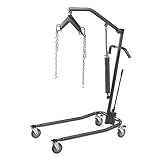 Drive Medical Hydraulic Patient Lift
A full lift is what makes one person able to manage a transfer alone. It is the single purchase that most often delays a move into residential care.
Check price on Amazon →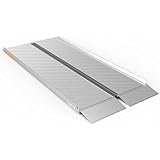 EZ-ACCESS Singlefold Wheelchair Ramp, 6 ft
Folds like a suitcase and carries in a car boot, so the same ramp handles the front step at home and the kerb at an appointment.
Check price on Amazon → Drive Medical Nitro Rollator with Seat
The seat matters more than the wheels. Being able to stop and rest is what decides whether someone still goes out at all.
Check price on Amazon → Vive Stand Assist Rail for Couch or Chair
Getting out of a low sofa is where most falls at home start. This is the cheapest thing on the list and often the first one needed.
Check price on Amazon →As an Amazon Associate we earn from qualifying purchases, at no extra cost to you. Researched guidance, not medical advice. Prices change, so check before buying.
Safety Concerns
Hoarding creates serious safety risks:
- Fire hazard: Clutter near heat sources, blocked exits
- Falls: Tripping over items, blocked pathways
- Sanitation: Expired food, pest infestations, mold
- Medical access: Emergency responders can't get in or navigate
- Structural damage: Weight of items, water damage
- Social isolation: Shame prevents visitors, including healthcare
- Self-neglect: Can't access kitchen, bathroom, bed properly
If the hoarding creates immediate danger (blocked exits, no access to bathroom, pest infestation, fire hazards), intervention may be necessary even without their cooperation. Contact Adult Protective Services if your parent can't maintain safe living conditions.
Approaches That Work
Build Trust First
- Don't start with the stuff, start with the relationship
- Express concern for them, not frustration about the mess
- Avoid criticism, judgment, or ultimatums
- Ask about items rather than dismissing them
- Acknowledge the difficulty of letting go
Focus on Goals, Not Stuff
- "What would you like to be able to do in your kitchen?"
- "Would you like to have guests visit again?"
- "What if we could make a clear path so you're safer?"
- Connect decluttering to their values, not your preferences
Small, Supported Steps
- Start with one small area (one shelf, one drawer)
- Work WITH them, not for them
- Let them make decisions (even slow ones)
- Celebrate small progress
- Expect setbacks, this takes time
Categories to Consider
- Keep: Items they use or truly treasure
- Donate: "Someone else could use this"
- Discard: Truly broken, expired, or useless
- Undecided: Revisit later (but not indefinitely)
Getting Professional Help
Mental Health Treatment
- Cognitive Behavioral Therapy (CBT): Most evidence-based treatment
- Specialized hoarding therapists: Look for hoarding-specific expertise
- Medication: SSRIs may help if anxiety/depression are significant
- Support groups: Hoarding-specific groups reduce shame
Professional Organizers
- Some specialize in hoarding situations
- Work at the client's pace with compassion
- Can be expensive but worth it for complex cases
- Look for ICD (Institute for Challenging Disorganization) certification
Hoarding Task Forces
Many communities have hoarding task forces that coordinate resources:
- Fire department inspections and safety planning
- Mental health services
- Cleaning and organizing help
- Social services
Research shows that CBT specifically designed for hoarding can reduce symptoms by 20-40%. Treatment takes time, often a year or more, but significant improvement is possible, especially when the person is motivated.
When They Won't Accept Help
If They Have Capacity
Adults with decision-making capacity have the right to live as they choose, even if we disagree. You can:
- Continue expressing concern without ultimatums
- Maintain your own boundaries (you don't have to visit if it's too distressing)
- Address specific safety issues (working smoke detectors, clear paths)
- Keep communication open for when they're ready
If Capacity Is Impaired
If dementia or mental illness impairs judgment:
- Consult their doctor about cognitive assessment
- Contact Adult Protective Services if they're at risk
- Explore guardianship if they truly can't make safe decisions
- Document the conditions and your attempts to help
Taking Care of Yourself
- This is not your fault and you can't fix it for them
- Set boundaries about what you're willing to do
- Get support from others who understand (NAMI, hoarding support groups)
- Consider therapy for yourself to process the frustration and grief
- Accept that progress may be slow or incomplete
Get Organized Support
Our Care Coordination resources help you document concerns and track professional contacts.
Get the Complete Caregiver Kit- Hoarding is a mental health disorder, not a character flaw
- Don't clean out their home without them, it causes trauma and doesn't last
- Focus on safety concerns first (fire exits, pest control, access)
- Build trust before tackling the stuff
- Work with them in small steps, letting them make decisions
- Professional help (therapy, specialized organizers) is often needed
- You can't force someone with capacity to change
- Contact APS if they're in danger and can't protect themselves