Malnutrition affects up to 50% of hospitalized elderly patients and 30-60% of nursing home residents. But eating problems and poor nutrition are common at home too, often unrecognized until they've caused significant harm.
Changes in appetite, taste, ability to chew and swallow, and interest in food are common with aging. Understanding why your parent isn't eating well, and what to do about it, can prevent weight loss, weakness, and the cascade of health problems that follow.
If your parent has lost more than 5% of their body weight in a month or 10% over 6 months without trying, see a doctor promptly. Unexplained weight loss can signal serious underlying conditions and increases risk of falls, infections, and hospitalization.
Why Eating Becomes Difficult
Physical Changes with Aging
- Decreased appetite: Hunger signals diminish; smaller stomach capacity
- Taste and smell changes: Food tastes bland or different; 75% of people over 80 have major taste loss
- Dental problems: Missing teeth, ill-fitting dentures, mouth pain
- Swallowing difficulties: Dysphagia from stroke, Parkinson's, or other conditions
- Slower digestion: Feeling full quickly, constipation
- Reduced thirst: Dehydration risk increases
Medical Conditions
- Depression: Major cause of poor appetite and weight loss
- Dementia: Forgetting to eat, not recognizing food, difficulty with utensils
- Cancer: Both the disease and treatments affect appetite
- Heart failure: Fluid restrictions, early fullness, medication effects
- Diabetes: Dietary restrictions, medication interactions with food
- GI problems: Reflux, ulcers, gastroparesis
Medication Effects
Many medications affect appetite, taste, or digestion:
- Chemotherapy drugs
- Some antibiotics
- Blood pressure medications
- Antidepressants
- Pain medications (opioids cause constipation and nausea)
- Diuretics (can cause taste changes)
If appetite has declined, ask the pharmacist or doctor to review all medications for appetite-affecting side effects. Sometimes adjusting timing, dose, or switching medications can help.
The equipment that changes the most
Most of what caregiving costs is time. These four are the purchases that reliably buy some of it back, and they are the ones families tell us they wish they had bought sooner.
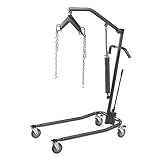 Drive Medical Hydraulic Patient Lift
A full lift is what makes one person able to manage a transfer alone. It is the single purchase that most often delays a move into residential care.
Check price on Amazon →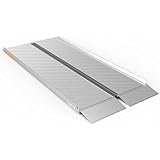 EZ-ACCESS Singlefold Wheelchair Ramp, 6 ft
Folds like a suitcase and carries in a car boot, so the same ramp handles the front step at home and the kerb at an appointment.
Check price on Amazon → Drive Medical Nitro Rollator with Seat
The seat matters more than the wheels. Being able to stop and rest is what decides whether someone still goes out at all.
Check price on Amazon → Vive Stand Assist Rail for Couch or Chair
Getting out of a low sofa is where most falls at home start. This is the cheapest thing on the list and often the first one needed.
Check price on Amazon →As an Amazon Associate we earn from qualifying purchases, at no extra cost to you. Researched guidance, not medical advice. Prices change, so check before buying.
Strategies to Improve Nutrition
Making Food More Appealing
- Enhance flavors: Use herbs, spices, lemon, garlic, don't be afraid of seasoning
- Serve favorites: This isn't the time for dietary restrictions (unless medically necessary)
- Appealing presentation: Colorful plates, nice dishes, attractive arrangement
- Optimal temperature: Some foods taste better at specific temperatures
- Variety: Different foods, textures, and colors at each meal
Small, Frequent Meals
- Offer 5-6 small meals instead of 3 large ones
- Don't insist on cleaning the plate
- Make every bite count, nutrient-dense foods
- Keep nutritious snacks readily available
- Offer the largest meal when appetite is best (often lunch)
Boosting Calories and Protein
| Strategy | Examples |
|---|---|
| Add healthy fats | Butter, olive oil, nut butters, avocado |
| Fortify foods | Add powdered milk to mashed potatoes, soups, oatmeal |
| High-protein additions | Eggs, cheese, Greek yogurt, cottage cheese |
| Nutritional supplements | Ensure, Boost, Carnation Instant Breakfast |
| Calorie-dense snacks | Cheese and crackers, trail mix, ice cream |
Elderly adults need more protein than younger people, at least 1.0-1.2 grams per kilogram of body weight daily. Include a protein source at every meal and snack: eggs, dairy, meat, fish, beans, or protein supplements.
Managing Specific Problems
Swallowing Difficulties (Dysphagia)
If your parent coughs, chokes, or has a "wet" voice during or after eating:
- Get a swallowing evaluation from a speech therapist
- Follow texture recommendations (pureed, mechanical soft, thickened liquids)
- Sit upright at 90 degrees during meals
- Small bites, slow pace, no straws
- Stay upright 30 minutes after eating
- Watch for signs of aspiration pneumonia
Dental Problems
- Regular dental check-ups (including denture adjustments)
- Soft foods if chewing is painful
- Cut food into small pieces
- Address mouth pain, it significantly affects eating
Dementia-Related Eating Issues
- Forgetting to eat: Provide meals at regular times; cue and prompt
- Distraction: Turn off TV, reduce noise, one dish at a time
- Utensil confusion: Finger foods, built-up handle utensils
- Not recognizing food: Describe what's on the plate; demonstrate eating
- Refusing food: Try again later; offer favorites; don't force
Forcing food creates a negative association with meals and can cause aspiration. If your parent consistently refuses food, consult their doctor. In late-stage dementia, loss of appetite and eating is often part of the natural dying process.
Hydration Matters
Dehydration is common in elderly adults because thirst sensation decreases with age.
Signs of Dehydration
- Dark, concentrated urine
- Dry mouth and lips
- Confusion or increased confusion
- Dizziness, especially when standing
- Constipation
- Headache
Encouraging Fluid Intake
- Offer fluids with every meal and snack
- Keep water or drinks visible and within reach
- Flavor water with fruit if plain water is unappealing
- Foods count: soup, fruit, yogurt, ice cream, gelatin
- Set reminders or use visual cues
- Limit caffeine and alcohol (they're dehydrating)
Creating a Positive Mealtime
Social Eating
Eating alone decreases appetite. When possible:
- Eat meals together
- Arrange for meal companions (family, friends, volunteers)
- Consider adult day programs that include meals
- Senior center lunch programs
Mealtime Environment
- Good lighting so they can see the food
- Comfortable seating at proper height
- Minimize distractions
- Pleasant, calm atmosphere
- Adequate time, don't rush
When to Get Help
Consult healthcare providers if:
- Significant unintentional weight loss
- Choking or coughing during meals
- Complete loss of appetite lasting more than a few days
- Pain with eating or swallowing
- Suspected depression affecting appetite
- Difficulty managing nutrition despite your efforts
A registered dietitian can create personalized nutrition plans. A speech-language pathologist evaluates swallowing problems. Occupational therapists can recommend adaptive eating equipment. Ask for referrals if needed.
Track Nutrition and Weight
Our Daily Care Log helps you monitor food intake, weight changes, and hydration, essential information for healthcare providers.
Get the Complete Caregiver Kit- Poor nutrition is common but not inevitable, many strategies can help
- Unintentional weight loss is serious and needs medical evaluation
- Make every bite count with nutrient-dense, appealing foods
- Small, frequent meals often work better than three large ones
- Address underlying causes: dental problems, medication effects, depression
- Swallowing problems need professional evaluation
- Hydration is as important as nutrition
- Social eating and pleasant mealtimes improve intake