Your parent insists on living alone. They've been in the same house for decades. Their independence is everything to them. But you worry: What if they fall? What if they forget to turn off the stove? What if something happens and no one knows?
The good news: with the right modifications, check-in systems, and support, many elderly adults can live alone safely for years. The key is honestly assessing risks and putting measures in place before problems occur.
Living alone isn't all-or-nothing. The goal is to maximize independence while minimizing risk. This often means accepting help in some areas to maintain autonomy in others.
Assessing Safety: Key Questions
Physical Safety
- Can they move safely around the home without falling?
- Can they get up if they do fall?
- Can they manage stairs?
- Can they get in and out of the shower/tub safely?
- Do they have good enough vision and hearing?
Cognitive Safety
- Do they remember to take medications?
- Can they manage the stove safely?
- Would they remember to call for help in an emergency?
- Do they recognize dangerous situations (smoke, gas, intruders)?
- Can they manage finances and avoid scams?
Daily Living
- Can they prepare meals or are they eating poorly?
- Can they manage personal hygiene?
- Can they do laundry and basic housekeeping?
- Can they get to doctor appointments?
- Are they isolated with no social contact?
The equipment that changes the most
Most of what caregiving costs is time. These four are the purchases that reliably buy some of it back, and they are the ones families tell us they wish they had bought sooner.
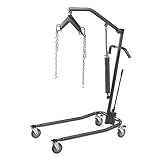 Drive Medical Hydraulic Patient Lift
A full lift is what makes one person able to manage a transfer alone. It is the single purchase that most often delays a move into residential care.
Check price on Amazon →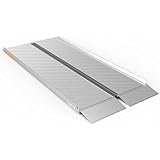 EZ-ACCESS Singlefold Wheelchair Ramp, 6 ft
Folds like a suitcase and carries in a car boot, so the same ramp handles the front step at home and the kerb at an appointment.
Check price on Amazon → Drive Medical Nitro Rollator with Seat
The seat matters more than the wheels. Being able to stop and rest is what decides whether someone still goes out at all.
Check price on Amazon → Vive Stand Assist Rail for Couch or Chair
Getting out of a low sofa is where most falls at home start. This is the cheapest thing on the list and often the first one needed.
Check price on Amazon →As an Amazon Associate we earn from qualifying purchases, at no extra cost to you. Researched guidance, not medical advice. Prices change, so check before buying.
Home Safety Modifications
Fall Prevention (Most Critical)
- Remove tripping hazards: Loose rugs, clutter, cords
- Add grab bars: Bathroom, by bed, in hallways
- Improve lighting: Bright lights, nightlights in hallways and bathroom
- Non-slip surfaces: Mats in bathroom, treads on stairs
- Handrails: Both sides of all stairs
- Remove step-over thresholds: Or add ramps
- Arrange furniture: Clear paths, sturdy pieces to hold onto
Bathroom Safety
- Walk-in shower or tub-cut modification
- Shower chair or bench
- Hand-held showerhead
- Raised toilet seat
- Grab bars by toilet and in shower
- Non-slip mats inside and outside tub
Kitchen Safety
- Auto-shutoff appliances: Stove, coffee maker, iron
- Stove knob covers: If dementia is a concern
- Easy-access items: Move frequently used items to reachable shelves
- Good lighting: Over counters and stove
- Easy-grip utensils: If arthritis is an issue
- Fire extinguisher: Easily accessible
General Home Safety
- Working smoke and carbon monoxide detectors
- Phone accessible from bed and main living areas
- Emergency numbers posted visibly
- Easy-to-use door locks
- Good outdoor lighting
- Clear walkways, including in winter
More home injuries happen in the bathroom than any other room. Investing in bathroom safety modifications, grab bars, walk-in shower, non-slip surfaces, has the biggest impact on preventing falls.
Check-In Systems
Daily Check-Ins
- Daily phone call: Same time each day; no answer triggers action
- Video calls: Lets you see how they're doing
- Neighbor agreement: Someone who can check if concerned
- Meal delivery: Driver sees them daily
- Daily automated calls: Services that call and alert you if no response
Technology Solutions
- Medical alert systems: Wearable button to call for help (Life Alert, Medical Guardian)
- Motion sensors: Alert if no movement detected in normal timeframe
- Smart home devices: Voice-activated calling, reminders, lights
- Video doorbells: See who's at the door without opening
- GPS location devices: If wandering is a concern
- Medication dispensers: Automated dispensing with alerts
Studies show that people with medical alert buttons get help faster after falls. The key is choosing one they'll actually wear. Pendant-style may work better than wristbands. Some new options detect falls automatically.
Building a Support Network
Informal Support
- Neighbors who check in
- Church or community group members
- Friends who visit regularly
- Family members who call or visit on schedule
Professional Support
- Home care aides: Help with bathing, meals, medication (few hours/week to 24/7)
- Housekeeping: Weekly cleaning to keep home safe
- Meal delivery: Meals on Wheels or commercial services
- Transportation: For doctor appointments and errands
- Handyman services: Keep home maintained safely
- Lawn/snow services: Prevent outdoor falls
Community Resources
- Senior centers for socialization
- Adult day programs
- Volunteer visitor programs
- Area Agency on Aging services
- Parish nurse programs
Warning Signs It's No Longer Safe
- Repeated falls, especially if they can't get up
- Getting lost in familiar places
- Leaving the stove on, causing fires or near-misses
- Significant weight loss from not eating
- Signs of dehydration
- Wandering or leaving the house confused
- Unable to call for help in emergency
- Being victimized by scams or exploitation
- Severe decline in hygiene or living conditions
Signs That More Support Is Needed
- Forgetting to take medications regularly
- Missing doctor appointments
- House becoming cluttered or dirty
- Spoiled food in refrigerator
- Unpaid bills or financial confusion
- Increasing isolation and depression
- Difficulty managing activities of daily living
- Car accidents or getting lost while driving
Having the Conversation
When you're worried about safety but they want to stay independent:
- Start early: Before crisis, when it's easier to discuss
- Express love and concern: "I want you to be safe because I love you"
- Offer compromises: "What if we tried a little help with..."
- Focus on goals: "What would help you stay here longer?"
- Present options: "Would you prefer X or Y?"
- Involve their doctor: Sometimes they'll listen to medical advice
- Try small changes first: Build trust with incremental support
When Living Alone Is No Longer Safe
If you've determined living alone is unsafe, options include:
- Increased in-home care: More hours, possibly 24/7
- Moving in with family: If feasible and desired
- Assisted living: Independent apartment with help available
- Board and care homes: Smaller, home-like settings
- Continuing care communities: Can transition as needs increase
Keep Your Parent Safe at Home
Our Home Safety Checklist and Care Coordination Binder help you assess risks and organize support.
Get the Complete Caregiver Kit- Many elderly can live alone safely with the right modifications and support
- Focus on fall prevention, especially bathroom safety
- Establish daily check-in systems so problems are caught quickly
- Medical alert systems provide crucial safety backup
- Build a support network of neighbors, services, and family
- Watch for warning signs that living alone is no longer safe
- Have conversations early, focusing on their goals for independence
- Accept that more support may be needed over time