Your parent barely touches their food. They say they're not hungry, push plates away, or eat a few bites and declare themselves full. Watching them lose weight, knowing they need nourishment, it's terrifying. Is this just aging? Depression? A sign of something worse?
Refusing to eat is common in elderly adults and has many possible causes. Understanding why can help you find solutions, or know when declining appetite signals something that needs attention.
See a doctor promptly if: sudden loss of appetite with no obvious cause, significant weight loss (more than 5% in one month or 10% in six months), refusal to eat accompanied by confusion, pain while eating or swallowing, blood in vomit or stool, or if they're becoming seriously weak or dehydrated.
Why Elderly People Stop Eating
Physical Causes
- Decreased taste and smell: Food tastes bland; flavors don't appeal
- Dental problems: Tooth pain, ill-fitting dentures, gum disease
- Swallowing difficulty (dysphagia): Choking risk makes eating scary
- Digestive issues: Constipation, nausea, feeling full quickly
- Pain: Any chronic pain can reduce appetite
- Medication side effects: Many drugs affect appetite or taste
- Chronic diseases: Cancer, heart failure, COPD, kidney disease
- Infections: UTIs and other infections can cause appetite loss
Psychological Causes
- Depression: Major cause of appetite loss in elderly; often undiagnosed
- Loneliness: Eating alone isn't appealing; social connection matters
- Grief: Loss of spouse or friends affects desire to eat
- Anxiety: About health, finances, or the future
- Loss of control: Refusing food may be one area they can control
Dementia-Related
- Forgetting to eat: Don't remember when they last ate
- Not recognizing food: May not know what to do with it
- Difficulty with utensils: Can't manage fork and knife
- Distraction: Can't focus on eating
- Suspicion: May think food is poisoned
- Late-stage decline: Natural loss of hunger near end of life
Practical Barriers
- Can't cook for themselves anymore
- Can't get to the grocery store
- Food has expired in fridge
- Financial worries about food costs
- Physical difficulty opening containers
Before assuming it's "just aging" or psychological, rule out treatable causes. A medical workup can identify dental problems, swallowing issues, medication effects, or diseases that need treatment.
The equipment that changes the most
Most of what caregiving costs is time. These four are the purchases that reliably buy some of it back, and they are the ones families tell us they wish they had bought sooner.
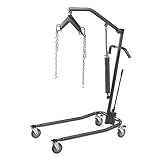 Drive Medical Hydraulic Patient Lift
A full lift is what makes one person able to manage a transfer alone. It is the single purchase that most often delays a move into residential care.
Check price on Amazon →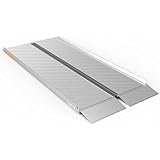 EZ-ACCESS Singlefold Wheelchair Ramp, 6 ft
Folds like a suitcase and carries in a car boot, so the same ramp handles the front step at home and the kerb at an appointment.
Check price on Amazon → Drive Medical Nitro Rollator with Seat
The seat matters more than the wheels. Being able to stop and rest is what decides whether someone still goes out at all.
Check price on Amazon → Vive Stand Assist Rail for Couch or Chair
Getting out of a low sofa is where most falls at home start. This is the cheapest thing on the list and often the first one needed.
Check price on Amazon →As an Amazon Associate we earn from qualifying purchases, at no extra cost to you. Researched guidance, not medical advice. Prices change, so check before buying.
Practical Strategies to Improve Eating
Address Taste Changes
- Enhance flavors: More seasoning, herbs, spices (if allowed)
- Serve food warmer or colder: Temperature affects taste perception
- Try stronger flavors: Lemon, garlic, onion can help
- Focus on favorites: Make foods they've always loved
- Vary textures: Crunchy, smooth, different sensations
Make Eating Easier
- Soft foods: If chewing is difficult
- Cut food into small pieces: Easier to manage
- Adaptive utensils: Weighted, larger handles, rocker knives
- Finger foods: No utensils needed; maintains independence
- Easy-open containers: Not frustrating to access
Smaller, More Frequent
- Small portions: Large plates are overwhelming
- Many small meals: 5-6 mini-meals rather than 3 big ones
- Nutrient-dense foods: Get more calories in smaller amounts
- Fortified foods: Add protein powder, butter, cream to boost calories
- Snacks available: Cheese, nuts, crackers within reach
Add calories without adding volume: butter on vegetables, cream in soup, cheese on everything, peanut butter, avocado, olive oil drizzled on foods. Nutritional drinks like Ensure or Boost can supplement meals.
Social Eating
- Eat together: Companionship increases appetite
- Meal delivery programs: Many include social check-in
- Senior center meals: Combines nutrition and socialization
- Video call during meals: For long-distance family
Environment and Presentation
- Good lighting: They need to see the food
- Contrast: Dark food on light plate, light food on dark plate
- Reduce distractions: TV off, calm environment
- Comfortable seating: Not rushed, not uncomfortable
- Pleasant smells: Cooking aromas can stimulate appetite
For Someone With Dementia
- Offer food at regular times: They may not remember to feel hungry
- One food at a time: Full plate is confusing
- Simple, recognizable foods: Easy to identify and eat
- Finger foods: Sandwiches, cut fruit, cheese cubes
- Demonstrate eating: Eating together shows what to do
- Be patient: May take longer; don't rush
- Prompt but don't force: Gentle encouragement
- Try different times: Appetite may be better at certain times of day
Forcing food creates negative associations and can cause choking. If they refuse, try again later. Some days will be better than others. Focus on offering, not forcing.
When Appetite Loss Is Serious
Signs of Malnutrition
- Significant unintentional weight loss
- Weakness and fatigue
- Slow wound healing
- Frequent infections
- Muscle wasting
- Confusion (can be caused by malnutrition)
Medical Interventions
- Nutrition assessment: By dietitian
- Appetite stimulants: Medications like megestrol or mirtazapine
- Treat underlying causes: Depression, infections, medication changes
- Speech therapy: For swallowing evaluation and treatment
- Dental care: Fix teeth or denture problems
End-of-Life Considerations
In late-stage illness or advanced dementia, loss of appetite may be a natural part of the dying process:
- The body is shutting down and can't process food
- Forcing food at this stage can cause discomfort
- Small sips and mouth care for comfort may be appropriate
- Hospice can guide decisions about nutrition
- This is different from refusal due to treatable causes
Feeding tubes are controversial in advanced dementia and terminal illness. Research shows they often don't extend life meaningfully and can cause complications. Discuss with doctor and consider the person's advance directives about artificial nutrition.
Track Nutrition and Concerns
Our Daily Care Log helps you track what they're eating, weight changes, and patterns to share with doctors.
Get the Complete Caregiver Kit- Many causes: medical, psychological, dementia, practical barriers
- Start with medical evaluation to rule out treatable causes
- Enhance flavors, make food easier to eat, offer small frequent meals
- Social eating improves appetite, loneliness kills it
- For dementia: simple foods, finger foods, offer rather than force
- High-calorie additions boost nutrition in small amounts
- Significant weight loss needs medical attention
- End-of-life appetite loss is natural and different from earlier refusal