Aging dramatically changes the skin. It becomes thinner, drier, more fragile, and slower to heal. For caregivers, this means daily attention to skin care isn't vanity, it's essential health maintenance that prevents serious problems like wounds, infections, and pressure sores.
Understanding how to care for aging skin and recognizing when something needs medical attention can prevent minor issues from becoming major complications.
By age 80, the skin's outer layer (epidermis) has thinned by 30-50%. Oil glands produce less, collagen decreases, and blood flow to the skin is reduced. This makes elderly skin more vulnerable to damage and slower to repair. What would be a minor scrape for a younger person can become a serious wound for your parent.
Daily Skin Care Basics
Bathing and Cleansing
Over-bathing is one of the most common causes of dry, damaged skin in elderly:
- Frequency: Full baths 2-3 times per week is usually sufficient; daily bathing strips natural oils
- Sponge baths: Clean essential areas (face, hands, underarms, groin) daily without full immersion
- Water temperature: Warm, not hot, hot water dries skin further
- Bath time: Limit to 10-15 minutes
- Soap: Use mild, fragrance-free cleansers (Dove Sensitive, Cetaphil, Aveeno)
- Pat dry: Gently pat skin, don't rub
Moisturizing
Apply moisturizer daily, especially after bathing:
- Timing: Apply to slightly damp skin within 3 minutes of bathing
- Products: Look for fragrance-free, hypoallergenic options
- Creams vs lotions: Creams and ointments are more effective than thin lotions
- Focus areas: Legs, arms, and back tend to be driest
- Good ingredients: Ceramides, hyaluronic acid, glycerin, petroleum jelly
For very dry skin: CeraVe Moisturizing Cream, Eucerin Original Healing Cream, Vanicream. For extremely dry or cracked skin: Aquaphor, petroleum jelly (Vaseline). Avoid products with alcohol, fragrances, or dyes.
The equipment that changes the most
Most of what caregiving costs is time. These four are the purchases that reliably buy some of it back, and they are the ones families tell us they wish they had bought sooner.
 Drive Medical Hydraulic Patient Lift
A full lift is what makes one person able to manage a transfer alone. It is the single purchase that most often delays a move into residential care.
Check price on Amazon →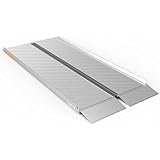 EZ-ACCESS Singlefold Wheelchair Ramp, 6 ft
Folds like a suitcase and carries in a car boot, so the same ramp handles the front step at home and the kerb at an appointment.
Check price on Amazon → Drive Medical Nitro Rollator with Seat
The seat matters more than the wheels. Being able to stop and rest is what decides whether someone still goes out at all.
Check price on Amazon → Vive Stand Assist Rail for Couch or Chair
Getting out of a low sofa is where most falls at home start. This is the cheapest thing on the list and often the first one needed.
Check price on Amazon →As an Amazon Associate we earn from qualifying purchases, at no extra cost to you. Researched guidance, not medical advice. Prices change, so check before buying.
Common Skin Problems
Dry Skin (Xerosis)
The most common skin issue in elderly, affecting up to 85%:
- Symptoms: Rough, scaly, flaky, itchy skin; "cracked ceramic" appearance
- Causes: Reduced oil production, over-bathing, low humidity, medications
- Treatment: Regular moisturizing, less frequent bathing, humidifier in winter
- When to see doctor: If cracking, bleeding, or signs of infection
Skin Tears
Thin, fragile skin tears easily from minor trauma:
- Prevention: Keep skin moisturized, use gentle touch, pad furniture edges, wear long sleeves
- Treatment: Gently clean, apply petroleum jelly, cover with non-stick bandage
- If flap present: Gently replace skin flap before bandaging
- When to see doctor: Large tears, signs of infection, not healing within 2 weeks
Many elderly take blood thinners, which means even minor injuries can bleed significantly and bruise extensively. Apply firm pressure for longer than usual (10-15 minutes) and watch for excessive bruising or hematomas.
Bruising
Increased bruising is common in aging skin:
- Why it happens: Thinner skin, fragile blood vessels, less protective fat
- Medications that increase bruising: Blood thinners, aspirin, steroids
- When to worry: Bruises with no known cause, very large bruises, bruising with fever
Itching (Pruritus)
Chronic itching can significantly impact quality of life:
- Common causes: Dry skin, medication side effects, kidney/liver disease, allergies
- Treatment: Moisturize regularly, avoid irritating fabrics, use mild detergent
- Over-the-counter options: Hydrocortisone cream (short-term), oatmeal baths, antihistamines
- When to see doctor: Persistent itching, itching without visible cause, generalized itching
Pressure Sores (Bed Sores)
Pressure injuries are a serious concern for anyone with limited mobility.
Prevention Is Critical
- Reposition frequently: Every 2 hours if bedbound, every 15-30 minutes if in wheelchair
- Inspect skin daily: Check all bony prominences
- Keep skin clean and dry: Change promptly if incontinent
- Protect heels: Keep elevated off the mattress
- Use pressure-relieving surfaces: Special mattresses, seat cushions
- Maintain nutrition: Protein and vitamins are essential for skin health
- Keep moving: Even small movements help circulation
Where Pressure Sores Develop
| Position | High-Risk Areas |
|---|---|
| Lying on back | Heels, tailbone (sacrum), back of head, shoulder blades, elbows |
| Lying on side | Hip bone, outer ankle, outer knee, ear |
| Sitting | Tailbone, buttocks (ischial tuberosities), back of thighs |
Stages of Pressure Sores
| Stage | Appearance | Action |
|---|---|---|
| Stage 1 | Red area that doesn't turn white when pressed; skin intact | Relieve pressure immediately, moisturize, monitor closely |
| Stage 2 | Open wound, blister, or shallow crater; top skin layers damaged | Keep clean, apply appropriate dressing, contact healthcare provider |
| Stage 3 | Deep crater, may see fat tissue | Medical attention needed; may require wound care specialist |
| Stage 4 | Deep wound exposing muscle or bone | Urgent medical care; may require hospitalization, surgery |
A Stage 1 pressure sore can progress to Stage 4 in days if pressure continues. Any redness that doesn't resolve within 30 minutes of relieving pressure should be taken seriously. Early intervention prevents serious wounds.
Wound Care for Elderly Skin
Basic Wound Care Principles
- Clean gently: Use mild soap and water or saline
- Keep moist: Wounds heal better in a moist environment (contrary to old advice)
- Appropriate dressing: Depends on wound type; petroleum jelly and non-stick gauze for minor wounds
- Change dressings: As directed, or when wet/soiled
- Protect surrounding skin: Use barrier cream if adhesive tape is needed
Signs of Wound Infection
Watch for and report immediately:
- Increased redness, especially spreading beyond wound edges
- Warmth around the wound
- Increased pain or tenderness
- Pus or cloudy drainage
- Foul odor
- Fever
- Wound getting larger instead of smaller
Wounds heal 20-60% slower in elderly adults. A cut that might heal in a week for a younger person could take 2-3 weeks for your parent. Be patient but vigilant, slow healing is normal, but non-healing or worsening wounds need attention.
Other Skin Conditions
Skin Cancer
Elderly are at high risk due to accumulated sun exposure:
- What to watch for: New growths, changing moles, sores that don't heal, scaly patches
- Types: Basal cell (most common, rarely spreads), squamous cell (can spread), melanoma (most serious)
- Prevention: Sunscreen, protective clothing, regular skin checks
- When to see doctor: Any new or changing lesion; monthly self-exams, annual dermatologist visits
Shingles (Herpes Zoster)
- Symptoms: Painful, blistering rash usually on one side of body; may have burning/tingling before rash appears
- Risk: Increases with age; anyone who had chickenpox can develop shingles
- Treatment: Antiviral medication works best if started within 72 hours of rash
- Prevention: Shingrix vaccine recommended for adults 50+
Fungal Infections
- Common locations: Feet (athlete's foot), groin, skin folds, under breasts, toenails
- Signs: Red, itchy, scaly patches; cracked skin between toes; thickened, discolored nails
- Prevention: Keep skin folds dry, wear breathable shoes, change socks daily
- Treatment: Antifungal creams or powders; stubborn infections may need oral medication
Cellulitis
- What it is: Bacterial skin infection
- Symptoms: Red, warm, swollen, painful area that spreads; may have fever
- Risk factors: Breaks in skin, lymphedema, diabetes, circulation problems
- Action: Seek medical care promptly, requires antibiotics; can become serious
In elderly with leg swelling, new redness could be cellulitis (infection) or a blood clot. Both require immediate medical evaluation. Don't wait to "see how it looks tomorrow."
Special Situations
Incontinence and Skin Care
Urine and stool are very damaging to skin:
- Change promptly: Don't let skin stay wet or soiled
- Gentle cleansing: Use pH-balanced incontinence wipes or gentle cleanser
- Barrier protection: Apply barrier cream (zinc oxide, petroleum jelly, dimethicone) after each change
- Breathable products: Avoid plastic-backed products that trap moisture
- Air time: When possible, leave skin exposed to air
Diabetes and Skin
Diabetes affects skin in multiple ways:
- Increased risk of infection
- Slower wound healing
- Higher risk of fungal infections
- Decreased sensation (may not notice injuries)
- Daily foot checks are essential
Edema (Swelling)
Swollen legs are vulnerable to skin breakdown:
- Skin becomes taut and fragile
- May weep clear fluid
- Higher infection risk
- Care: Elevate legs, compression if ordered, keep skin moisturized, protect from injury
Track Skin Changes
Our Daily Care Log helps you monitor skin condition, track wounds, and communicate changes to healthcare providers.
Get the Complete Caregiver KitWhen to See a Doctor
- Any wound not healing within 2-3 weeks
- Signs of infection (increased redness, warmth, pus, fever)
- New or changing moles or growths
- Unexplained rashes or skin changes
- Severe or persistent itching
- Any stage of pressure sore
- Painful rash on one side of body (possible shingles)
- Rapidly spreading redness (possible cellulitis)
- Aging skin is thinner, drier, and more fragile, adjust care accordingly
- Moisturize daily; bathe less frequently with mild products
- Skin tears and bruising are common; handle gently
- Pressure sores are preventable with repositioning and pressure relief
- Wounds heal slowly; be patient but watch for infection signs
- Protect incontinence-affected skin with barriers
- Report any concerning changes to healthcare providers promptly