Urinary incontinence affects 25-30% of older adults living at home and up to 50% in care facilities. Yet it's often not discussed, even with doctors, due to embarrassment. Many people assume it's an inevitable part of aging that nothing can be done about.
Neither is true. Incontinence is common but not normal aging, and many effective treatments exist. As a caregiver, understanding the causes and solutions can significantly improve your parent's quality of life, and your own.
Most incontinence can be improved or cured. Yet only about half of affected older adults ever mention it to a healthcare provider. Don't let embarrassment prevent treatment, bring it up at the next doctor visit.
Types of Urinary Incontinence
| Type | What Happens | Common Causes |
|---|---|---|
| Stress | Leaks with coughing, sneezing, lifting, laughing | Weakened pelvic floor muscles; more common in women |
| Urge | Sudden, intense urge to urinate; can't get to bathroom in time | Overactive bladder, neurological conditions, infections |
| Overflow | Bladder doesn't empty completely; frequent dribbling | Enlarged prostate, nerve damage, certain medications |
| Functional | Physical or cognitive problems prevent reaching bathroom | Mobility limitations, dementia, arthritis |
| Mixed | Combination of types (most commonly stress + urge) | Multiple factors |
The equipment that changes the most
Most of what caregiving costs is time. These four are the purchases that reliably buy some of it back, and they are the ones families tell us they wish they had bought sooner.
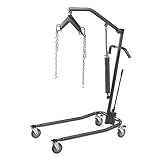 Drive Medical Hydraulic Patient Lift
A full lift is what makes one person able to manage a transfer alone. It is the single purchase that most often delays a move into residential care.
Check price on Amazon →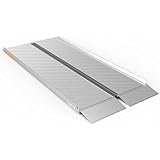 EZ-ACCESS Singlefold Wheelchair Ramp, 6 ft
Folds like a suitcase and carries in a car boot, so the same ramp handles the front step at home and the kerb at an appointment.
Check price on Amazon → Drive Medical Nitro Rollator with Seat
The seat matters more than the wheels. Being able to stop and rest is what decides whether someone still goes out at all.
Check price on Amazon → Vive Stand Assist Rail for Couch or Chair
Getting out of a low sofa is where most falls at home start. This is the cheapest thing on the list and often the first one needed.
Check price on Amazon →As an Amazon Associate we earn from qualifying purchases, at no extra cost to you. Researched guidance, not medical advice. Prices change, so check before buying.
Causes and Contributing Factors
Treatable Causes
- Urinary tract infection: Can cause sudden incontinence; easily treated
- Constipation: Pressure on bladder affects control
- Medications: Diuretics, sedatives, some blood pressure meds
- Excess fluid or caffeine: Increases urine production
- Restricted mobility: Can't get to bathroom quickly enough
- Delirium or confusion: Temporary causes often reversible
Chronic Causes
- Enlarged prostate (men)
- Weakened pelvic floor (women, especially after childbirth)
- Neurological conditions (Parkinson's, stroke, dementia)
- Diabetes (nerve damage, increased urine production)
- Heart failure (fluid redistribution when lying down)
Sudden onset of incontinence, especially with confusion, fever, or pain, may indicate a urinary tract infection or other medical problem requiring prompt treatment. Don't assume it's just aging.
Treatment Options
Behavioral Strategies
- Scheduled toileting: Bathroom every 2-3 hours regardless of urge
- Bladder training: Gradually increasing time between voiding
- Pelvic floor exercises (Kegels): Strengthening muscles that control urination
- Fluid management: Adequate hydration but limiting before bed
- Avoid bladder irritants: Caffeine, alcohol, carbonated drinks, citrus
- Double voiding: Urinate, wait a moment, try again
Medical Treatments
- Medications: Anticholinergics, beta-3 agonists for overactive bladder (but watch for side effects in elderly)
- Topical estrogen: For post-menopausal women with urethral thinning
- Alpha-blockers: For men with enlarged prostate
- Botox injections: For overactive bladder not responding to other treatments
- Nerve stimulation: Various techniques to improve bladder control
- Surgery: For stress incontinence or severe cases
Anticholinergic medications for overactive bladder can cause confusion, dry mouth, and constipation in elderly patients. These effects may outweigh benefits. Discuss risks carefully with the doctor.
Products and Supplies
Absorbent Products
| Product | Best For |
|---|---|
| Pads/liners | Light incontinence; can wear with regular underwear |
| Pull-up underwear | Moderate incontinence; mobile individuals who can help with toileting |
| Tab-style briefs | Heavy incontinence; those who need full assistance changing |
| Underpads | Bed/chair protection; backup for other products |
| Male guards | Men with dribbling; worn inside regular underwear |
Choosing the Right Products
- Right absorbency level: Light, moderate, heavy, or overnight
- Proper fit: Measure waist and hips; sizes vary by brand
- Skin-friendly materials: Breathable, moisture-wicking
- Avoid terms like "diaper": Use "brief" or "protective underwear" to preserve dignity
Other Helpful Products
- Bedside commode (if bathroom is far or nighttime is difficult)
- Urinals (for men, especially at night)
- Waterproof mattress protectors
- Skin barrier creams and cleansers
- Portable urinals for travel
Buy in bulk online for significant savings. Some Medicaid programs cover incontinence supplies. Ask the doctor if supplies can be prescribed. Many brands offer free samples to find the right fit.
Skin Care
Urine is irritating to skin. Prevent breakdown with:
- Change promptly: Don't leave wet products on skin
- Gentle cleansing: Use pH-balanced incontinence wipes or gentle cleanser
- Barrier protection: Apply zinc oxide or dimethicone cream after each change
- Pat dry: Don't rub fragile skin
- Air time: When possible, leave skin exposed to air
- Watch for rashes: May indicate yeast infection or allergic reaction
Managing Specific Situations
Nighttime Incontinence
- Limit fluids 2-3 hours before bed
- Toilet right before bed; consider double voiding
- Use higher-absorbency overnight products
- Waterproof mattress protector plus disposable underpad
- Bedside commode if bathroom is far
- Motion-sensor night lights for safe bathroom trips
- Evaluate leg edema, fluid redistributes when lying down
Incontinence with Dementia
- Regular toileting schedule: Take them every 2 hours
- Watch for cues: Restlessness, tugging at clothing
- Make bathroom obvious: Signs, leave door open, light on
- Simplify clothing: Elastic waists, no complicated buttons
- Use verbal prompts: "Let's go to the bathroom now"
- Expect accidents: React calmly without shame
Outings and Travel
- Know bathroom locations in advance
- Bring supplies: extra products, wipes, change of clothes, plastic bags
- Use products with higher absorbency for longer outings
- Request aisle seats for easier bathroom access
- Consider timing of fluids
Preserving Dignity
Incontinence is deeply personal and often embarrassing. Protect your parent's dignity:
- Use respectful language: Not "diapers", say "briefs" or "protective underwear"
- Private discussions: Don't talk about incontinence in front of others
- Normalize without minimizing: "Many people deal with this. Let's find what works."
- Calm reactions: Accidents happen; respond matter-of-factly
- Preserve independence: Let them do what they can themselves
- Clothing protection: Dark colors hide accidents; bring changes of clothes
Never express frustration or disgust about incontinence. Your parent is likely already embarrassed and ashamed. Your calm, matter-of-fact approach helps them maintain self-respect.
When to See a Doctor
- New or worsening incontinence
- Blood in urine
- Pain or burning with urination
- Fever with incontinence (possible infection)
- Incontinence affecting quality of life
- Current management isn't working
- What type of incontinence does my parent have?
- Could any of their medications be contributing?
- What treatments are appropriate for their situation?
- Should they see a urologist or urogynecologist?
- Are there pelvic floor exercises or physical therapy that could help?
Track Patterns and Changes
Our Daily Care Log helps you track incontinence patterns, timing, and what helps, useful information for healthcare providers.
Get the Complete Caregiver Kit- Incontinence is common but not inevitable, most cases can be improved
- Sudden incontinence may indicate infection or other treatable problem
- Behavioral strategies often help significantly
- The right products make daily management easier
- Protect skin with prompt changes and barrier creams
- Preserving dignity is as important as managing the physical issue
- Don't let embarrassment prevent seeking treatment