Your parent is suddenly confused. They're agitated, seeing things that aren't there, or just "not themselves." You might think dementia has suddenly worsened, or they're having a stroke, or they're just having a bad day. But before you assume any of those, check for something simple: a urinary tract infection.
UTIs are one of the most common infections in elderly adults, and one of the most commonly missed because they often don't present with typical symptoms like burning urination. In seniors, especially those with dementia, a UTI often shows up as sudden confusion, behavioral changes, or delirium.
Any sudden change in mental status in an elderly person should trigger evaluation for UTI. This is so common that many emergency rooms automatically check urine when seniors arrive with confusion or behavioral changes. Don't assume it's "just the dementia."
Why UTIs Are Different in Elderly Adults
Why Symptoms Look Different
- Weakened immune response: Less fever and typical inflammatory symptoms
- Nerve changes: May not feel the urge or burning
- Underlying conditions: Symptoms get attributed to existing problems
- Cognitive impairment: Can't report symptoms accurately
- Chronic UTI symptoms: May have adapted to baseline discomfort
Why Seniors Get More UTIs
- Incomplete bladder emptying: Residual urine breeds bacteria
- Catheter use: Major infection risk
- Weakened immune system: Less able to fight off bacteria
- Diabetes: Sugar in urine promotes bacterial growth
- Enlarged prostate (men): Blocks complete emptying
- Estrogen loss (women): Changes vaginal pH and bacteria
- Incontinence: Moisture and bacteria exposure
- Reduced mobility: Longer time between bathroom trips
- Dehydration: Concentrated urine, less flushing
The equipment that changes the most
Most of what caregiving costs is time. These four are the purchases that reliably buy some of it back, and they are the ones families tell us they wish they had bought sooner.
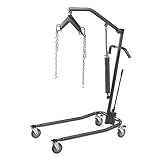 Drive Medical Hydraulic Patient Lift
A full lift is what makes one person able to manage a transfer alone. It is the single purchase that most often delays a move into residential care.
Check price on Amazon → EZ-ACCESS Singlefold Wheelchair Ramp, 6 ft
Folds like a suitcase and carries in a car boot, so the same ramp handles the front step at home and the kerb at an appointment.
Check price on Amazon → Drive Medical Nitro Rollator with Seat
The seat matters more than the wheels. Being able to stop and rest is what decides whether someone still goes out at all.
Check price on Amazon → Vive Stand Assist Rail for Couch or Chair
Getting out of a low sofa is where most falls at home start. This is the cheapest thing on the list and often the first one needed.
Check price on Amazon →As an Amazon Associate we earn from qualifying purchases, at no extra cost to you. Researched guidance, not medical advice. Prices change, so check before buying.
Symptoms to Watch For
Atypical Symptoms (Common in Elderly)
- Sudden confusion or delirium: Most important to recognize
- Agitation or aggressive behavior
- Hallucinations
- Falls: New or increased falling
- Decreased appetite
- Lethargy or fatigue
- Incontinence: New or worsened
- Withdrawal or decreased activity
Classic Symptoms (May or May Not Be Present)
- Burning or pain with urination
- Frequent urination or urgency
- Cloudy, dark, or foul-smelling urine
- Blood in urine
- Pelvic pain or pressure
- Fever (often absent in elderly)
Elderly adults may not develop fever even with serious infection. Absence of fever does NOT rule out UTI. In fact, some seniors with severe infections show abnormally low body temperature instead of fever.
UTI vs. Dementia Worsening
| UTI-Related Changes | Dementia Progression |
|---|---|
| Sudden onset (hours to days) | Gradual worsening (weeks to months) |
| Fluctuates, better and worse times | More consistent decline |
| Returns to baseline after treatment | New baseline is permanent |
| May have other symptoms (appetite, sleep) | Cognitive symptoms predominate |
| Often reversible | Not reversible |
When to Seek Medical Care
Call the Doctor If:
- Any sudden change in mental status or behavior
- New or worsened confusion
- Classic UTI symptoms (burning, frequency)
- Cloudy or foul-smelling urine
- Blood in urine
- Unexplained falls
- New or worsened incontinence
Seek Emergency Care If:
- High fever (over 101°F)
- Severe confusion or inability to respond
- Back or flank pain (may indicate kidney infection)
- Shaking chills
- Nausea and vomiting with other symptoms
- Symptoms of sepsis: rapid heart rate, rapid breathing, cold/clammy skin
An untreated UTI can progress to kidney infection (pyelonephritis) or sepsis (blood infection), both of which can be fatal in elderly adults. Don't dismiss UTI symptoms as minor, they require prompt treatment.
Diagnosis and Treatment
Diagnosis
- Urinalysis: Quick test for infection markers
- Urine culture: Identifies specific bacteria and effective antibiotics
- Blood tests: If severe infection is suspected
Treatment
- Antibiotics: Usually 3-7 days for simple UTI; longer for complicated
- Increased fluids: Helps flush bacteria
- Follow-up: To ensure infection has cleared
- Address underlying causes: Catheter care, incomplete emptying, etc.
What to Expect
- Confusion usually improves within 24-48 hours of starting antibiotics
- Full recovery may take several days
- Some elderly patients need longer courses of antibiotics
- Recurrence is common, prevention matters
Prevention Strategies
Hydration
- Encourage 6-8 glasses of fluid daily (unless fluid-restricted)
- Don't let them restrict fluids to avoid bathroom trips
- Cranberry juice or supplements may help prevent adhesion of bacteria (evidence is mixed but generally safe)
Hygiene and Care
- Wipe front to back: For women, to prevent bacteria spread
- Regular bathing: Keep genital area clean
- Change incontinence products frequently: Don't let moisture sit
- Prompt toileting: Don't hold urine for extended periods
- Loose cotton underwear: Allows air circulation
Catheter Care (If Applicable)
- Keep catheter and drainage bag clean
- Empty bag regularly
- Keep bag below bladder level
- Discuss with doctor whether catheter is still necessary
- Consider alternatives to indwelling catheters
- Adequate fluid intake daily
- Regular bathroom trips (every 2-3 hours)
- Good hygiene practices
- Change wet incontinence products promptly
- Treat underlying conditions (diabetes, prostate issues)
- Consider estrogen therapy for postmenopausal women (discuss with doctor)
Recurrent UTIs
If your parent gets frequent UTIs (3 or more per year), additional measures may be needed:
- Evaluation for underlying causes
- Prophylactic (preventive) antibiotics
- Vaginal estrogen for women
- D-mannose supplements (natural prevention)
- Referral to urologist
- Assessment of bladder emptying
Special Considerations for Dementia
For people with dementia:
- They may not be able to report symptoms, watch behavior carefully
- Any sudden worsening should prompt UTI check
- Regular toileting schedules prevent holding urine too long
- May need assistance with hygiene
- Can be difficult to collect clean urine samples
- Confusion may not fully resolve to pre-UTI baseline (each infection can cause lasting decline)
Know your parent's normal cognitive function so you can recognize changes. Document what's typical for them, how they usually communicate, their normal sleep patterns, usual behavior. This helps you spot deviations that might signal UTI.
Track Symptoms and Changes
Our Daily Care Log helps you document your parent's normal baseline and track changes that might signal infection.
Get the Complete Caregiver Kit- UTIs in elderly often cause confusion, not typical burning symptoms
- Any sudden mental status change should trigger UTI evaluation
- Fever is often absent in elderly, don't rely on it
- UTIs can become life-threatening if untreated
- Prevention: fluids, hygiene, regular toileting, prompt incontinence care
- Confusion usually improves within 1-2 days of starting antibiotics
- Recurrent UTIs need additional evaluation and prevention strategies