Vision loss affects one in three adults over 65. For many elderly parents, declining vision significantly impacts daily life, reading, driving, recognizing faces, avoiding falls, and maintaining independence. Yet vision changes often go unaddressed, sometimes because they're gradual, sometimes because people assume nothing can be done.
As a caregiver, understanding common vision problems, recognizing warning signs, and making home adaptations can significantly improve your parent's safety and quality of life.
Seek immediate care for: sudden vision loss, sudden severe eye pain, sudden appearance of many floaters or flashing lights, curtain-like shadow across vision, or sudden double vision. These may indicate retinal detachment, stroke, or other emergencies.
Common Age-Related Vision Conditions
Cataracts
- What it is: Clouding of the eye's natural lens
- Symptoms: Blurry vision, faded colors, glare sensitivity, halos around lights, difficulty with night driving
- Progression: Develops slowly over years
- Treatment: Surgery to replace lens, highly effective, common outpatient procedure
- Note: Don't delay surgery too long; cataracts can become harder to remove
Age-Related Macular Degeneration (AMD)
- What it is: Damage to the macula (central vision area)
- Symptoms: Blurred central vision, straight lines appear wavy, dark spots in center of vision
- Types: Dry (more common, slower) and wet (less common, more severe)
- Treatment: Dry AMD, vitamins may slow progression. Wet AMD, injections can help
- Impact: Affects reading, recognizing faces, driving; peripheral vision usually preserved
Glaucoma
- What it is: Damage to the optic nerve, often from increased eye pressure
- Symptoms: Often none until advanced; gradual loss of peripheral (side) vision
- Why it matters: Called "silent thief of sight", damage is irreversible
- Treatment: Eye drops, laser treatment, or surgery to lower eye pressure
- Key: Regular eye exams catch it early when treatment is most effective
Diabetic Retinopathy
- What it is: Diabetes damages blood vessels in the retina
- Symptoms: May have none early; blurry vision, floaters, vision loss
- Prevention: Blood sugar and blood pressure control
- Treatment: Laser treatment, injections, surgery in advanced cases
- Essential: Annual dilated eye exams for all diabetics
Many serious eye conditions have no symptoms until vision is already damaged. Adults over 65 should have a comprehensive dilated eye exam every 1-2 years, or as recommended by their eye doctor.
The equipment that changes the most
Most of what caregiving costs is time. These four are the purchases that reliably buy some of it back, and they are the ones families tell us they wish they had bought sooner.
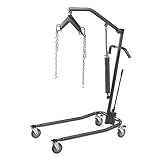 Drive Medical Hydraulic Patient Lift
A full lift is what makes one person able to manage a transfer alone. It is the single purchase that most often delays a move into residential care.
Check price on Amazon →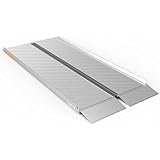 EZ-ACCESS Singlefold Wheelchair Ramp, 6 ft
Folds like a suitcase and carries in a car boot, so the same ramp handles the front step at home and the kerb at an appointment.
Check price on Amazon → Drive Medical Nitro Rollator with Seat
The seat matters more than the wheels. Being able to stop and rest is what decides whether someone still goes out at all.
Check price on Amazon → Vive Stand Assist Rail for Couch or Chair
Getting out of a low sofa is where most falls at home start. This is the cheapest thing on the list and often the first one needed.
Check price on Amazon →As an Amazon Associate we earn from qualifying purchases, at no extra cost to you. Researched guidance, not medical advice. Prices change, so check before buying.
Signs Your Parent May Have Vision Problems
Behavioral Signs
- Holding reading material very close or far away
- Squinting or tilting head to see
- Bumping into furniture or door frames
- Difficulty navigating stairs
- Trouble finding items on a plate or table
- Not recognizing people until they speak
- Avoiding driving, especially at night
- Giving up reading or other visual activities
- Tripping over rugs or curbs
Physical Signs
- Red, watery, or irritated eyes
- Frequent squinting
- Eyes that look cloudy
- Headaches
- Light sensitivity
What They Might Say
- "The lights aren't bright enough anymore"
- "Everything looks foggy"
- "I can't read small print"
- "I see spots or floaters"
- "Colors don't look right"
Home Adaptations for Low Vision
Lighting
- Increase overall lighting, brighter bulbs throughout
- Add task lighting for reading, cooking, grooming
- Reduce glare with sheer curtains, matte finishes
- Ensure even lighting (shadows can cause falls)
- Install night lights in hallways, bathroom, bedroom
- Use motion-sensor lights for nighttime bathroom trips
Contrast and Color
- Use contrasting colors, light switch plates on dark walls
- Mark stair edges with contrasting tape
- Use plates that contrast with food and table
- Colored tape on clear glass doors
- Bright, contrasting grab bars in bathroom
- Different colored towels for different purposes
Organization and Consistency
- Keep everything in its designated place
- Don't move furniture without telling them
- Label items with large print or raised letters
- Use tactile markers on appliance controls
- Organize closet by outfit or color
Safety Modifications
- Remove throw rugs (trip hazard)
- Secure carpet edges
- Remove clutter from walkways
- Install handrails on all stairs
- Mark hot water controls clearly
- Use stove knob covers or auto-off devices
Start with: bright lighting throughout, contrasting tape on stair edges, nightlights, and removing throw rugs. These simple changes significantly reduce fall risk and improve daily function.
Helpful Products and Technology
Magnification
- Handheld magnifiers
- Stand magnifiers for hands-free use
- Magnifying lamps
- Electronic magnifiers (video magnifiers)
- Large-print books, newspapers, playing cards
Technology Aids
- Smartphones/tablets: Built-in accessibility features (zoom, voice)
- Voice assistants: Alexa, Google Home for timers, reminders, information
- Audiobooks: Library services, Audible, Bookshare
- Screen readers: Software that reads computer screens aloud
- Talking devices: Talking watches, clocks, thermometers, scales
- Large-button phones: With high-contrast displays
Daily Living Aids
- Bump dots for marking appliances, medications
- Large-print labels for medications
- Pill organizers with raised day markers
- Liquid level indicators (beep when cup is full)
- Talking medication reminders
- Large-print or talking blood pressure monitors
Medications and Vision
Vision loss makes medication management challenging:
- Use large-print prescription labels (ask pharmacy)
- Different-shaped bottles for different medications
- Pill organizers with tactile or color-coded compartments
- Talking pill dispensers
- Have someone fill weekly pill organizers
- Consider pharmacy blister packaging
Vision problems increase medication errors, taking wrong pills, wrong doses, or missing doses. If your parent has significant vision loss, they may need help with medication management rather than doing it independently.
Driving and Vision
Driving is often the most sensitive vision-related issue:
- Vision problems are a leading cause of unsafe elderly driving
- Night driving is often affected first
- Some vision loss can be compensated for; some cannot
- Regular vision testing is required for license renewal in many states
- Consider driving rehabilitation evaluation if vision is declining
Emotional Impact of Vision Loss
Vision loss often causes:
- Depression and anxiety
- Social isolation (can't drive, read, recognize faces)
- Loss of independence and control
- Fear of falling or injury
- Grief over lost activities (reading, crafts, driving)
How to Help
- Acknowledge the loss, don't minimize
- Encourage adaptation rather than giving up
- Connect them with vision rehabilitation services
- Find new ways to do beloved activities (audiobooks, large-print)
- Watch for signs of depression
- Maintain social connections, arrange transportation, visits
Low vision specialists and vision rehabilitation therapists help people maximize remaining vision and learn adaptive techniques. Ask the eye doctor for a referral, or contact state services for the blind/visually impaired.
Working with Eye Care Providers
Types of Providers
- Ophthalmologist: Medical doctor (MD) who can perform surgery; best for medical conditions
- Optometrist: Doctor of Optometry (OD) for routine exams, glasses, some conditions
- Low vision specialist: Helps maximize remaining vision with devices and strategies
- Optician: Fills eyeglass prescriptions
Questions to Ask
- What exactly is wrong with their vision?
- Will this get worse? How quickly?
- What treatment options exist?
- What can we do to maximize remaining vision?
- Should we see a low vision specialist?
- Are there clinical trials or new treatments?
- How will this affect daily activities and safety?
Keep Track of Care
Our Care Coordination Binder helps you track medical appointments, conditions, and questions to ask, essential when managing multiple health issues.
Get the Complete Caregiver Kit- Many common vision conditions are treatable or manageable, don't assume nothing can be done
- Regular dilated eye exams are essential for catching problems early
- Sudden vision changes are emergencies requiring immediate care
- Simple home adaptations (lighting, contrast, organization) significantly help
- Many tools and technologies exist for low vision
- Vision rehabilitation services help maximize remaining sight
- Address the emotional impact of vision loss, not just the practical challenges