When a hurricane, power outage, or medical emergency strikes, the elderly are the most vulnerable. They may not be able to evacuate quickly, go without medications, or handle temperature extremes. The time to prepare is now, not when the emergency happens.
This guide covers everything from building an emergency kit to creating evacuation plans and preparing for medical emergencies. Being prepared can save your parent's life.
Older adults are more likely to die in emergencies. During heat waves, most deaths are people over 65. During hurricanes, the elderly make up the majority of casualties. Physical limitations, medications, and chronic conditions make preparation essential.
Building an Emergency Kit
Keep supplies for at least 72 hours, ideally 7 days. Store in waterproof containers, check expiration dates twice yearly.
Essential Supplies
- Water: 1 gallon per person per day (minimum 3 days)
- Food: Non-perishable, easy to open (canned with pull tabs, crackers, granola bars)
- Manual can opener
- Flashlight and extra batteries
- Battery-powered or hand-crank radio
- First aid kit
- Whistle (to signal for help)
- Dust masks
- Plastic sheeting and duct tape
- Garbage bags and ties
- Wrench or pliers (to turn off utilities)
- Cell phone charger (battery pack or car charger)
- Cash (small bills, ATMs may not work)
Senior-Specific Supplies
- Medications: At least 7-day supply of all prescriptions
- Medication list: Names, dosages, pharmacy, prescribing doctors
- Medical equipment: Extra glasses, hearing aid batteries, dentures, cane, walker
- Oxygen: Backup supply if they use oxygen (discuss with provider)
- Medical alert device (ensure it works without power)
- Incontinence supplies (if needed)
- Copies of important documents: ID, Medicare card, insurance, POA, advance directive
- List of doctors with contact information
- Easy-to-eat foods (consider dental and swallowing issues)
Some medications need refrigeration (like insulin). Know which ones and have a plan, cooler with ice packs, medication-specific cooling cases. Rotating emergency medication supplies prevents expiration. Ask the pharmacist about emergency supply regulations.
Comfort Items
- Familiar blanket or pillow
- Photos of family (grounding for dementia)
- Books, puzzles, playing cards
- Comfort foods they enjoy
- List of phone numbers (many people only have numbers in their phones)
The equipment that changes the most
Most of what caregiving costs is time. These four are the purchases that reliably buy some of it back, and they are the ones families tell us they wish they had bought sooner.
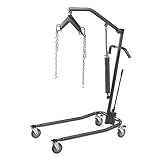 Drive Medical Hydraulic Patient Lift
A full lift is what makes one person able to manage a transfer alone. It is the single purchase that most often delays a move into residential care.
Check price on Amazon →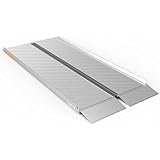 EZ-ACCESS Singlefold Wheelchair Ramp, 6 ft
Folds like a suitcase and carries in a car boot, so the same ramp handles the front step at home and the kerb at an appointment.
Check price on Amazon → Drive Medical Nitro Rollator with Seat
The seat matters more than the wheels. Being able to stop and rest is what decides whether someone still goes out at all.
Check price on Amazon → Vive Stand Assist Rail for Couch or Chair
Getting out of a low sofa is where most falls at home start. This is the cheapest thing on the list and often the first one needed.
Check price on Amazon →As an Amazon Associate we earn from qualifying purchases, at no extra cost to you. Researched guidance, not medical advice. Prices change, so check before buying.
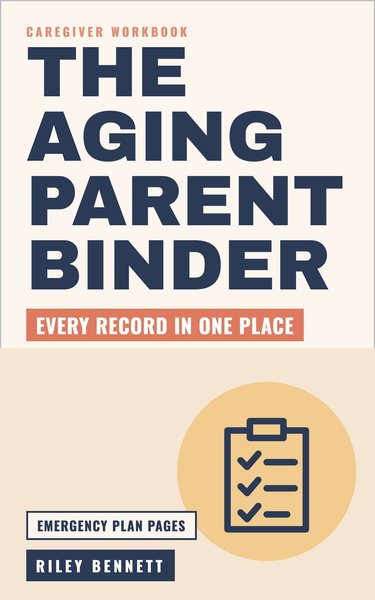
The companion book
The Aging Parent Binder
by Riley Bennett
A fill-in caregiver organizer for medical, legal, financial, insurance and daily-care information, with an emergency plan and appointment log. Worksheets for contacts, medications, insurance numbers, legal documents, home safety and a one-page emergency sheet, in one paperback you keep where the care happens.
Paperback on Amazon →Creating an Evacuation Plan
Know Where to Go
- Option 1: Family or friend's home outside danger zone
- Option 2: Hotel (book early when storm approaches)
- Option 3: Public shelter (know which ones are accessible)
- Option 4: Special needs shelter (register in advance)
Special Needs Registries
Most communities have registries for residents who need help during emergencies:
- Register with local emergency management
- Provides priority evacuation assistance
- Access to special needs shelters
- Welfare check programs
- Re-register annually or after any move
Contact your local emergency management office or 211. Many areas allow online registration. Registration is confidential and doesn't guarantee evacuation, it puts them on the list for assistance. Still have your own plan.
Transportation Plans
- Who will help them evacuate? (have backup)
- How long does loading equipment take? (factor into timing)
- Do they need accessible vehicle?
- What about pets?
- How will they get home after?
If They Can't Evacuate
Some people cannot evacuate safely. If sheltering in place:
- Stock 7+ days of supplies
- Know how to turn off utilities
- Identify safest room in house
- Have communication plan
- Inform neighbors and emergency services of their location
Power Outage Preparedness
Extended power outages are dangerous for seniors, especially in extreme temperatures.
Before Power Goes Out
- Keep phones and devices charged
- Fill bathtub with water (flushing toilets)
- Set freezer to coldest setting
- Have cash (card readers won't work)
- Fill car with gas
- Know location of flashlights, batteries, radio
During Outage
- Keep refrigerator/freezer closed (food safe 4+ hours)
- Use flashlights, not candles (fire risk)
- Never run generator indoors (carbon monoxide)
- Check on them frequently
- Move to cooling/warming center if needed
Medical Equipment on Power
- Oxygen concentrators: Need backup tanks or generator
- CPAP machines: Battery backups available
- Lift chairs: Know manual release
- Electric beds: Manual lowering option
- Contact utility company about medical priority list
Most utility companies have programs for customers with medical equipment. Registration doesn't prevent disconnection but puts them on a priority list for restoration. Some states prohibit shutoff during extreme weather. Contact your utility company to register.
Extreme Weather
Extreme Heat
Seniors are especially vulnerable to heat, they feel it less but are more affected.
- Air conditioning is essential, not optional
- Know locations of cooling centers
- Check on them multiple times daily
- Push fluids (even if not thirsty)
- Watch for heat stroke: confusion, hot dry skin, high temperature
- Some medications increase heat sensitivity
Extreme Cold
- Keep heat at 68°F or above
- Check that heating works before cold snap
- Dress in layers even indoors
- Watch for hypothermia: confusion, slurred speech, shivering
- Never use oven for heating (carbon monoxide risk)
- Pipes can freeze, know how to prevent and respond
Medical Emergency Protocols
Information to Have Ready
Keep this information posted and in the emergency kit:
- Complete medication list with dosages
- Allergies
- Medical conditions
- Doctors' names and numbers
- Preferred hospital
- Insurance information
- Emergency contacts
- DNR/POLST if applicable
- Healthcare power of attorney contact
When to Call 911
- Signs of stroke (FAST: Face drooping, Arm weakness, Speech difficulty, Time to call)
- Chest pain or pressure
- Severe difficulty breathing
- Loss of consciousness
- Severe bleeding
- Fall with possible fracture or head injury
- Sudden confusion or altered consciousness
A medical alert device allows your parent to call for help with the push of a button, critical when they can't reach a phone. Choose one that works during power outages (cellular, not landline-dependent). Some detect falls automatically.
Go Bag for Hospital
Have a bag ready for unexpected hospitalizations:
- Insurance cards and ID
- Medication list
- Comfortable clothes and non-slip socks
- Glasses, hearing aids, dentures
- Phone charger
- Healthcare POA documents
- Advance directive
- Contact list for family
Communication Plan
Who to Contact
- Primary contact: First person to call/who will coordinate
- Out-of-area contact: Someone who can relay messages if local calls fail
- Neighbor contacts: Who can check on them immediately
- Medical team: Primary doctor, specialists
How to Stay in Touch
- Text messages often work when calls don't
- Designate check-in times
- Social media can reach many people at once
- Consider GPS tracking if they have dementia
- Landlines may work when cell towers are down
For Dementia
- They may not remember evacuation plans
- Familiar items reduce confusion
- ID bracelet with contact information
- Recent photo for identification
- GPS tracking device
- Never leave alone during emergency
Financial and Document Preparedness
Documents to Protect
Keep copies in waterproof container and digitally (cloud storage or email to yourself):
- Identification (driver's license, passport)
- Medicare and insurance cards
- Social Security card
- Power of attorney documents
- Advance directives
- Property deeds, car titles
- Insurance policies
- Recent photos of home contents (for insurance)
Financial Considerations
- Keep cash on hand (ATMs may not work)
- Know how to access accounts online
- Set up auto-pay for essential bills
- Know how to file insurance claims
After the Emergency
Returning Home Safely
- Wait for official all-clear
- Check for structural damage before entering
- Be aware of downed power lines
- Don't eat food that's been unrefrigerated 4+ hours
- Watch for stress reactions in days following
Emotional Recovery
- Emergencies are traumatic, especially for seniors
- Routines help recovery
- Watch for signs of depression or PTSD
- Familiar items and people provide comfort
- Professional help if needed
Emergency Preparedness Checklist
Our Emergency Preparedness Checklist includes supply lists, evacuation planning templates, and document organization tools, everything you need to keep your parent safe.
Get the Complete Caregiver Kit- Build an emergency kit with at least 72 hours (ideally 7 days) of supplies
- Include 7+ days of medications and copies of prescriptions
- Register for your community's special needs emergency program
- Have multiple evacuation destination options
- Know what medical equipment needs backup power
- Keep important documents in waterproof storage and digital copies
- Create and practice a communication plan
- Check supplies and update plans twice yearly