End-Stage Dementia: What to Expect
The final stage of dementia is a time of profound loss and profound love. Understanding what happens helps you provide comfort, make decisions, and prepare for the end of your parent's journey.
End-stage (also called late-stage or severe) dementia is the final phase of the disease, typically lasting 1-3 years. By this point, the brain has sustained extensive damage. The person requires total care and has very limited awareness of their surroundings.
What to Expect: Physical and Cognitive Changes
Minimal Communication
Speech may be limited to single words, sounds, or no words at all. They may not respond to their name. However, emotional connections often remain - they may recognize loved ones' presence through tone of voice or touch, even if they can't express it.
Loss of Mobility
Eventually unable to walk, stand, or sit without support. Muscles become rigid or contracted. They become bedbound. Frequent repositioning is essential to prevent pressure sores.
Difficulty Swallowing
Swallowing problems (dysphagia) are common and serious. They may pocket food, cough or choke while eating, or aspirate food into the lungs. This is a major cause of pneumonia in late-stage dementia.
Incontinence
Complete loss of bladder and bowel control. Requires total incontinence care. Skin protection becomes critical.
Weight Loss and Eating Difficulties
Even with adequate food offered, weight loss occurs. The brain may no longer send proper hunger signals or coordinate eating. This is part of the disease process, not a failure of care.
Increased Susceptibility to Infections
Urinary tract infections, skin infections, and especially pneumonia become common. These are often the immediate cause of death in dementia.
The equipment that changes the most
Most of what caregiving costs is time. These four are the purchases that reliably buy some of it back, and they are the ones families tell us they wish they had bought sooner.
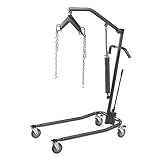 Drive Medical Hydraulic Patient Lift
A full lift is what makes one person able to manage a transfer alone. It is the single purchase that most often delays a move into residential care.
Check price on Amazon → EZ-ACCESS Singlefold Wheelchair Ramp, 6 ft
Folds like a suitcase and carries in a car boot, so the same ramp handles the front step at home and the kerb at an appointment.
Check price on Amazon → Drive Medical Nitro Rollator with Seat
The seat matters more than the wheels. Being able to stop and rest is what decides whether someone still goes out at all.
Check price on Amazon → Vive Stand Assist Rail for Couch or Chair
Getting out of a low sofa is where most falls at home start. This is the cheapest thing on the list and often the first one needed.
Check price on Amazon →As an Amazon Associate we earn from qualifying purchases, at no extra cost to you. Researched guidance, not medical advice. Prices change, so check before buying.
Comfort Care: The Priority
At this stage, the goal of care shifts from extending life to maximizing comfort and quality of remaining life. This is called comfort care or palliative care.
Pain Management
People with dementia feel pain but often can't express it. Watch for signs: grimacing, moaning, restlessness, guarding body parts, changes in breathing. Treat pain aggressively - there's no benefit to withholding pain medication at this stage.
Skin Care and Positioning
Reposition every 2 hours to prevent pressure sores. Use special mattresses. Keep skin clean and dry. Treat any wounds promptly. Pressure sores cause significant pain and distress.
Mouth Care
Even without eating, the mouth needs care. Keep lips moist with balm. Gently swab the mouth. This prevents painful cracking and infection.
Temperature and Environment
Keep them comfortable - not too hot or cold. Soft lighting. Quiet environment. Familiar sounds (music they loved, voices of family) can be soothing even if they can't respond.
Gentle Touch and Presence
Hold their hand. Stroke their hair. Speak softly. Even without visible response, your presence matters. Human connection remains meaningful.
Difficult Decisions
End-stage dementia brings decisions that feel impossible. There are no perfect answers - only choices made with love.
Feeding Tubes
When swallowing becomes dangerous, families often face the question of a feeding tube. Research shows that feeding tubes do NOT extend life or improve quality of life in end-stage dementia. They don't prevent aspiration pneumonia. Major medical organizations do not recommend them for this population. Careful hand-feeding for as long as the person can swallow, focusing on comfort, is generally the better approach.
Hospitalizations
Each hospitalization is traumatic for someone with dementia. Ask: will this treatment improve their quality of life? Is the burden of treatment worth the potential benefit? Often, treating infections or other conditions where they are (with comfort measures) is more humane than hospitalization.
Antibiotics
Infections are common in late-stage dementia. Whether to treat with antibiotics is a real choice. Antibiotics can buy time but don't change the trajectory. Some families choose to treat for the person's comfort; others choose to allow natural death. There's no wrong answer.
CPR and Life Support
CPR is rarely successful in elderly, frail patients and can cause injury. If it does "work," the person often ends up on life support in the ICU. Most palliative care experts recommend DNR (do not resuscitate) status for end-stage dementia. This should be documented and discussed with all caregivers.
Hopefully, your parent documented their wishes before losing capacity. If not, you'll need to make decisions based on what you believe they would want - their values, beliefs, and things they said over the years. This is an enormous burden. Know that you're doing your best in an impossible situation.
When to Call Hospice
Hospice is appropriate when life expectancy is estimated at 6 months or less if the disease runs its natural course. For dementia, hospice criteria typically include:
- Unable to walk without assistance
- Unable to dress without assistance
- Unable to bathe without assistance
- Incontinence (urinary and fecal)
- Unable to speak meaningfully (fewer than 6 words)
- Unable to sit up without support
Plus one or more of these in the past year:
- Aspiration pneumonia
- Pyelonephritis (kidney infection)
- Sepsis
- Multiple pressure ulcers
- Recurrent fevers despite antibiotics
- Inability to maintain hydration/nutrition
Hospice focuses on quality of life and comfort. It provides expert symptom management, emotional support for the family, and 24/7 access to help. Most families wish they had started hospice sooner. It's adding life to their days, not just days to their life.
What Hospice Provides
- Nurse visits: Regular assessment and management of symptoms
- Aide visits: Help with bathing, grooming, comfort care
- Medical director: Physician oversight of care plan
- Medications: Related to the terminal illness, covered by hospice
- Equipment: Hospital bed, wheelchair, oxygen if needed
- Supplies: Incontinence supplies, wound care supplies
- 24/7 phone support: Always someone to call
- Social worker: Help with emotional and practical needs
- Chaplain: Spiritual support if desired
- Bereavement support: For family, up to a year after death
Signs That Death Is Approaching
In the final days to weeks, you may notice:
- Sleeping most of the time
- No longer eating or drinking, or minimal intake
- Withdrawal from surroundings
- Skin color changes (pallor, mottling)
- Hands and feet feel cold
- Breathing changes (irregular, periods of no breathing, congested sounds)
- Decreased urine output
- Restlessness or terminal agitation
In the final hours:
- Breathing becomes very irregular
- "Death rattle" - noisy breathing from secretions (not painful for them)
- May become unresponsive
- Eyes may be partially open
- Skin becomes waxy or pale
Being Present at the End
If you can be present when your parent dies:
- Hold their hand. Speak softly. Hearing may remain until the end
- Tell them it's okay to go
- Thank them for what they meant to you
- Play music that was meaningful to them
- Keep the room peaceful
- Don't feel you have to talk constantly - your presence is enough
Many people seem to wait for loved ones to arrive - or to leave. It's common for death to occur when family steps out briefly, as if they needed to be alone. If this happens, don't feel guilty. You didn't abandon them. They chose their moment.
Taking Care of Yourself
Caring for someone in end-stage dementia is one of the hardest things you'll ever do:
- Accept help - you can't do this alone
- Take breaks - your well-being matters
- Acknowledge your grief - you're losing them before they're gone
- Talk to someone - counselor, support group, trusted friend
- Know that ambivalent feelings are normal (wanting it to be over AND not wanting them to die)
- Forgive yourself for impatience, frustration, wishing for the end
After Death
When your parent dies:
- If hospice is involved, call them first. They'll guide you
- There's no need to rush. You can sit with them
- Call other family members who need to know
- Hospice or the doctor will pronounce death and complete paperwork
- Call the funeral home when you're ready
The grief after dementia is complicated. You've been grieving for years, losing them piece by piece. You may feel relief, sadness, guilt about relief, emptiness, even joy that their suffering is over. All of these are normal.
Prepare for Difficult Decisions
Our Estate Planning Workbook includes advance directive templates and guidance for end-of-life planning.
View Resources