Anticipatory Grief: Mourning While They're Still Here
Your parent is still alive, but you're already grieving. You cry at random moments. You feel profound sadness watching them decline. You're mourning them before they're gone. This is anticipatory grief, and it's as real and painful as grief after death.
Anticipatory grief isn't "practice grief" or premature mourning. It's genuine grief for genuine losses, the parent they were, the relationship you had, the future that won't happen. Your feelings are valid, not something to push away.
What You're Actually Grieving
Anticipatory grief is grief for many losses, not just the eventual death:
Loss of Who They Were
The personality changes, memory loss, or physical decline means the person you knew is slipping away. You miss who they used to be.
Loss of the Relationship
They can't give advice anymore. They don't remember your conversations. The reciprocal relationship is gone, now you're the caregiver, not the child.
Loss of Your Own Life
Your freedom, career, hobbies, plans, caregiving has taken so much. You're grieving your own lost opportunities and identity.
Loss of the Future
They won't see your children grow up. They won't be at future holidays. The milestones they'll miss are already losses.
Loss of Security
Parents represent safety and permanence. Facing their mortality means facing your own, and the world feels less safe.
As an Amazon Associate, we earn from qualifying purchases.
Recommended Caregiver Support Resources
 Being Mortal by Atul Gawande Understanding end-of-life care and acceptance
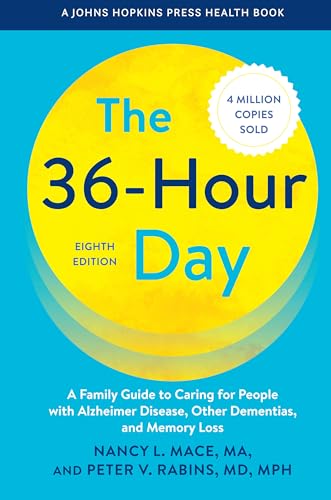 The 36-Hour Day Comprehensive guide including emotional support for caregivers
 Caregiver Journal Process emotions and document the caregiving journey
 Get It Together: Organize Your Records Prepare for transitions and document wishes
What Anticipatory Grief Feels Like
Emotional Symptoms
- Sadness that comes in waves
- Crying unexpectedly
- Anger, at the disease, the situation, even your parent
- Guilt, for feeling relieved, impatient, or wanting it to end
- Anxiety about what's coming
- Depression and hopelessness
- Emotional numbness or detachment
Physical Symptoms
- Fatigue beyond the physical demands of caregiving
- Difficulty sleeping or sleeping too much
- Appetite changes
- Muscle tension, headaches
- Lowered immunity, getting sick more often
Cognitive Symptoms
- Difficulty concentrating
- Forgetfulness
- Ruminating about death and dying
- Hypervigilance, constantly watching for signs of decline
The Complicated Feelings
Wanting It to Be Over
You may have moments of wishing they would die, not because you don't love them, but because watching them suffer is unbearable, and your own exhaustion is overwhelming. This thought brings immediate guilt, but it's incredibly common among caregivers. You're not wishing them harm; you're wishing for an end to suffering, theirs and yours.
Relief and Guilt
When small deaths happen (another ability lost, another hospitalization), you may feel relief that it wasn't "the big one" yet, and then guilty for thinking about it that way. You may imagine relief when they're gone and feel terrible about it. These are normal thoughts.
Already Detaching
You may notice yourself pulling back emotionally, protecting yourself from the coming loss. This can feel cold, but it's a natural defense mechanism. It doesn't mean you love them less.
There's no right way to grieve. Your feelings, even the ugly, complicated ones, are valid. The presence of difficult emotions alongside love doesn't diminish the love. Both can coexist.
Coping with Anticipatory Grief
Allow the Feelings
- Don't suppress or judge your emotions
- Find safe places to express them (therapy, support groups, journaling)
- Cry when you need to, even if they're in the next room
- Grief comes in waves; let them wash over you
Take Care of Yourself
- Grief is exhausting, rest when you can
- Maintain some routines and normalcy
- Don't abandon all your own life
- Exercise, even briefly, helps process grief
Connect with Others
- Talk to people who understand (not everyone will)
- Caregiver support groups know this grief intimately
- Consider a therapist experienced with grief and caregiving
- Don't isolate, grief grows in isolation
Find Meaning in the Present
- Be present with your parent when you can
- Share memories, look at photos together
- Say what needs to be said while there's time
- Focus on what IS still possible, not just what's lost
Unlike sudden death, you have time. Time to say goodbye, to resolve old hurts, to express love, to be present. Anticipatory grief, while painful, gives you something many people don't get: the chance to honor the relationship while they're still here.
Will This Make Death Easier?
A common question: If I grieve now, will it hurt less when they actually die?
The honest answer: Maybe somewhat, but probably not as much as you hope.
- You will still grieve after they're gone
- Anticipatory grief doesn't "use up" your grief
- But you may feel more at peace with the time you had
- You may have fewer regrets about things unsaid
- The acute pain may be somewhat less intense or shorter
- But grief after death is its own experience, with its own timeline
When You Need More Support
- Persistent thoughts of suicide or self-harm
- Inability to function in daily life
- Using alcohol or drugs to cope
- Complete emotional numbness for extended periods
- Severe depression that doesn't lift
- Thoughts of harming your parent
Helpful Resources
- Grief counselor or therapist: Specializing in anticipatory grief or caregiver issues
- Hospice services: If appropriate, they support families as well as patients
- Caregiver support groups: Online or in-person communities
- Palliative care teams: Focus on quality of life and family support
For Others Supporting a Grieving Caregiver
If you know someone experiencing anticipatory grief:
- Acknowledge their grief, don't minimize it ("But they're still alive!")
- Listen without trying to fix it
- Offer specific help, not just "Call if you need anything"
- Check in regularly, they may not reach out
- Understand their emotions may be all over the place
- Don't judge complicated feelings like anger or relief