Your parent's dementia has progressed to its final stage. This is an incredibly difficult time, watching someone you love become so dependent, so different from who they were. You may feel grief, exhaustion, helplessness, and even relief that the journey is nearing its end.
Understanding what to expect and how to provide comfort can help you through this stage while ensuring your parent receives dignified, compassionate care.
End-stage dementia is a terminal condition. The brain damage is so extensive that basic body functions begin to fail. The focus shifts from trying to improve or maintain abilities to providing comfort and quality of life for whatever time remains.
What to Expect in End-Stage Dementia
Communication
- May speak only a few words or none at all
- May not recognize family members
- May not respond to their name
- Can still feel emotions and respond to tone, touch, music
- May occasionally have moments of clarity (lucid intervals)
Physical Changes
- Mobility: Unable to walk, sit without support, or hold up head
- Eating: Difficulty swallowing, loss of appetite, refusing food
- Incontinence: Complete loss of bladder and bowel control
- Weight loss: Despite adequate nutrition offered
- Sleep changes: Sleeping much of the time, day/night reversal
- Vulnerability to illness: Pneumonia, urinary tract infections, skin breakdown
Timeline
The end stage can last months to years. There's no way to predict exactly how long. Some people decline rapidly; others remain in this stage for extended periods. Average survival after reaching end-stage is about 1-2 years, but this varies greatly.
Pneumonia and urinary tract infections are the most common causes of death in end-stage dementia. They occur because the person can't clear their airway, swallow safely, or communicate symptoms. These infections may or may not be treated aggressively, depending on goals of care.
The equipment that changes the most
Most of what caregiving costs is time. These four are the purchases that reliably buy some of it back, and they are the ones families tell us they wish they had bought sooner.
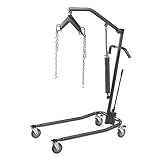 Drive Medical Hydraulic Patient Lift
A full lift is what makes one person able to manage a transfer alone. It is the single purchase that most often delays a move into residential care.
Check price on Amazon → EZ-ACCESS Singlefold Wheelchair Ramp, 6 ft
Folds like a suitcase and carries in a car boot, so the same ramp handles the front step at home and the kerb at an appointment.
Check price on Amazon → Drive Medical Nitro Rollator with Seat
The seat matters more than the wheels. Being able to stop and rest is what decides whether someone still goes out at all.
Check price on Amazon → Vive Stand Assist Rail for Couch or Chair
Getting out of a low sofa is where most falls at home start. This is the cheapest thing on the list and often the first one needed.
Check price on Amazon →As an Amazon Associate we earn from qualifying purchases, at no extra cost to you. Researched guidance, not medical advice. Prices change, so check before buying.
Comfort Care: The Priority
In end-stage dementia, the goal shifts to comfort care (also called palliative care). This means:
- Keeping them clean, dry, and positioned comfortably
- Preventing pain
- Treating distressing symptoms
- Providing emotional comfort through presence, touch, and familiar sounds
- Avoiding interventions that cause discomfort without meaningful benefit
Pain Management
People with end-stage dementia can't tell you they hurt. Watch for:
- Facial grimacing, frowning, furrowed brow
- Moaning, groaning, crying
- Restlessness, agitation
- Resistance to being moved or touched
- Guarding a body part
- Changes in breathing pattern
Assume pain is present with any condition that would normally cause pain. Treat it proactively. Pain medication appropriate for the situation (including morphine in later stages) can be given to keep them comfortable.
Skin Care
- Reposition every 2 hours to prevent pressure sores
- Keep skin clean and dry
- Use protective padding on pressure points
- Check for redness, especially on tailbone, hips, heels, elbows
- Consider a pressure-relieving mattress
Mouth Care
- Keep lips and mouth moist with swabs, lip balm
- Gently clean mouth regularly
- Dry mouth is uncomfortable, offer sips of water or ice chips if they can swallow safely
Even when your parent can't respond, they may still sense your presence. Hold their hand. Speak softly. Play their favorite music. Your touch and voice can provide comfort that transcends words.
Difficult Decisions
Feeding and Swallowing
Loss of ability to swallow is common in end-stage dementia. You may face decisions about:
- Hand feeding: Offering small amounts of soft food and thickened liquids
- Feeding tubes: Research shows feeding tubes do not prolong life, improve nutrition, or prevent aspiration pneumonia in end-stage dementia. Most geriatric and palliative care experts recommend against them
- Comfort feeding: Offering food and drink for pleasure in small amounts, accepting that nutrition is not the goal
When someone stops eating and drinking, it's often a natural part of the dying process. Forcing nutrition can increase discomfort.
Hospitalization and Aggressive Treatment
Consider whether hospitalization and aggressive treatment align with your parent's goals:
- Hospitals are disorienting and frightening for people with dementia
- Aggressive treatment (ICU, ventilators, CPR) rarely provides meaningful benefit in end-stage dementia
- Treating infections with antibiotics is a choice, sometimes it prolongs dying rather than living
- Many families choose to keep their loved one comfortable at home or in a care facility rather than transfer to a hospital
Do Not Resuscitate (DNR) Orders
CPR is almost never successful in someone with end-stage dementia, and if it works, the person returns to the same condition with potentially broken ribs and brain damage from oxygen deprivation. Most families and physicians choose DNR status at this stage.
If your parent created advance directives or a living will while they had capacity, these documents guide decisions now. If they designated a healthcare proxy (healthcare power of attorney), that person makes medical decisions. If no documents exist, family typically decides together with medical guidance.
Hospice Care
Hospice provides specialized end-of-life care focused on comfort rather than cure. In end-stage dementia, hospice can be enormously helpful.
What Hospice Provides
- Regular nurse visits to assess comfort and symptoms
- Aide visits for bathing and personal care
- Medications for comfort (pain, anxiety, agitation)
- Medical equipment (hospital bed, wheelchair, oxygen if needed)
- 24/7 phone support for family
- Social worker and chaplain support
- Volunteer companionship
- Respite care (temporary inpatient stays to give caregivers a break)
- Bereavement support for family after death
Eligibility
Medicare covers hospice when a physician certifies the person has 6 months or less to live if the disease follows its normal course. For dementia, eligibility criteria include:
- FAST Stage 7C or beyond (unable to walk, dress, bathe, speak meaningfully)
- Unable to sit without assistance
- Speaking 6 or fewer intelligible words daily
- Plus a complication like pneumonia, UTI, weight loss, or pressure ulcers in the past year
Where Hospice Is Provided
Hospice is a type of care, not a place. It can be provided:
- At home
- In a nursing home or assisted living
- In a hospice inpatient facility (for acute symptom management)
Hospice isn't just about the patient. It supports families through the dying process and for up to a year after death. The guidance, reassurance, and practical help hospice provides can make this difficult time more manageable.
Caring for Yourself
The Emotional Toll
End-stage dementia caregiving brings complex emotions:
- Grief: You've been grieving for years as they've declined, anticipatory grief
- Guilt: Feeling you're not doing enough, or conversely, wishing it would end
- Relief: Hoping for an end to their suffering (and yours), then feeling guilty about the relief
- Exhaustion: Physical and emotional depletion from years of caregiving
- Isolation: Friends may not understand; your world has shrunk
Getting Support
- Accept help from hospice social workers and chaplains
- Consider a counselor or therapist experienced with grief
- Join a caregiver support group (in person or online)
- Let family and friends help, give them specific tasks
- Take breaks, respite care exists for a reason
Permission to Grieve
The person you knew has been gone for some time. The body remains, but the personality, memories, and relationship have been stripped away by the disease. You're allowed to grieve, now, not just after they die. You're allowed to feel ready for it to end. These feelings don't make you a bad person. They make you human.
Signs the End May Be Near
In the final days to weeks, you may notice:
- Sleeping most of the time, difficult to wake
- Little to no food or fluid intake
- Breathing changes: irregular, shallow, pauses (Cheyne-Stokes breathing)
- Congestion in the throat ("death rattle")
- Mottled or bluish skin, especially on hands and feet
- Cooling of extremities
- Decreased urine output
- Increased confusion or agitation (sometimes called terminal restlessness)
These signs don't mean death is imminent, sometimes people stabilize. But they indicate the body is beginning to shut down.
Many families want to be present at the moment of death. This isn't always possible. If you step away and they die, don't feel guilty. Many hospice workers believe some people wait until family leaves, as if protecting them. Your love was felt throughout, not just at the last moment.
After Death
When your parent dies:
- Call hospice (if enrolled), they will come to confirm death and support you
- If not on hospice, call the funeral home or 911 if you're unsure what to do
- There's no rush. Sit with them if you want. Say goodbye
- Hospice will guide you through the practical steps
After years of caregiving, you may feel lost without the role that defined you. Give yourself time. The grief may come in waves. Support is available, hospice provides bereavement services, and there are grief support groups for those who've lost someone to dementia.
End-of-Life Planning Resources
Our End-of-Life Planning Kit includes advance directive templates, hospice questions, and guides for the difficult decisions ahead.
Get the Complete Caregiver Kit- End-stage dementia is terminal; the focus shifts to comfort care
- They can still sense your presence and feel comforted by touch, voice, and music
- Watch for signs of pain since they can't tell you they hurt
- Feeding tubes don't help and often cause harm in end-stage dementia
- Hospice provides invaluable support for both patient and family
- Your feelings, grief, guilt, exhaustion, even relief, are normal
- This is the hardest part of a long journey. Take care of yourself too