Exercise for Elderly Parents: Safe Activities by Ability Level
Movement is medicine at any age. Whether your parent uses a wheelchair or walks independently, there's appropriate exercise to maintain function and quality of life.
Any movement is better than none. A 90-year-old who does gentle chair exercises for 10 minutes a day will maintain more function than one who sits all day. Start where they are.
Why Exercise Matters for Elderly Parents
Research-Backed Benefits
- Fall prevention - Exercise reduces falls by 23% and injuries by 43%
- Cognitive function - Physical activity protects brain health
- Depression and anxiety - Exercise helps mood as effectively as medication
- Independence - Strength and balance affect ability to live independently
- Chronic disease management - Improves blood sugar, blood pressure
- Sleep quality - Regular activity promotes better sleep
The equipment that changes the most
Most of what caregiving costs is time. These four are the purchases that reliably buy some of it back, and they are the ones families tell us they wish they had bought sooner.
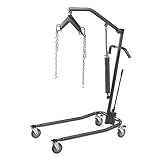 Drive Medical Hydraulic Patient Lift
A full lift is what makes one person able to manage a transfer alone. It is the single purchase that most often delays a move into residential care.
Check price on Amazon →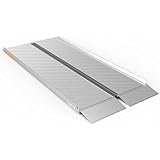 EZ-ACCESS Singlefold Wheelchair Ramp, 6 ft
Folds like a suitcase and carries in a car boot, so the same ramp handles the front step at home and the kerb at an appointment.
Check price on Amazon → Drive Medical Nitro Rollator with Seat
The seat matters more than the wheels. Being able to stop and rest is what decides whether someone still goes out at all.
Check price on Amazon → Vive Stand Assist Rail for Couch or Chair
Getting out of a low sofa is where most falls at home start. This is the cheapest thing on the list and often the first one needed.
Check price on Amazon →As an Amazon Associate we earn from qualifying purchases, at no extra cost to you. Researched guidance, not medical advice. Prices change, so check before buying.
Exercise by Ability Level
Level 1: Seated/Chair-Based
For: Wheelchair users, those with severe balance issues, very frail elderly
Everything can be done from a sturdy chair:
- Arm circles - Small circles, gradually larger
- Shoulder shrugs - Lift shoulders to ears, release
- Toe taps - Alternating feet, lifting just toes off floor
- Heel raises - While seated, lift heels off floor
- Marching in place - Lift knees while seated
- Arm raises - Lift arms overhead or as high as comfortable
Level 2: Standing with Support
For: Those who can stand but need something to hold onto
Use kitchen counter, sturdy chair back, or walker for balance:
- Stand-to-sit - Slowly lower to chair, stand back up
- Side leg raises - Holding support, lift leg to side
- Back leg raises - Lift leg straight back
- Calf raises - Rise up on toes, lower slowly
- Marching in place - Holding support for balance
Level 3: Walking and Light Activity
For: Those who can walk independently or with assistive device
- Walking programs - Start with 5-10 minutes, build gradually
- Light weights - Water bottles or 1-2 lb dumbbells
- Resistance bands - Gentle strength training
- Tai Chi - Excellent for balance and gentle movement
- Water aerobics - Low impact, great for arthritis
Level 4: More Active Seniors
For: Those maintaining good mobility and strength
- Brisk walking - 30 minutes most days
- Senior fitness classes - SilverSneakers, Silver and Fit
- Swimming - Excellent whole-body exercise
- Cycling - Recumbent or regular bike
- Golf, tennis - Social and active
The Four Types of Exercise Seniors Need
1. Endurance (Aerobic)
Increases heart rate: walking, swimming, cycling. Aim for 150 minutes per week.
2. Strength
Maintains muscle: lifting weights, resistance bands, body weight. 2 or more days per week.
3. Balance
Prevents falls: Tai Chi, heel-to-toe walking, standing on one foot. Daily is best.
4. Flexibility
Maintains range of motion: stretching, yoga. After every exercise session.
Overcoming Resistance to Exercise
"I'm Too Old to Exercise"
Research shows benefits at any age. People in their 90s who started weight training still gained strength. It's never too late.
"It's Too Dangerous"
Actually, NOT exercising increases fall risk. Balance and strength exercises specifically reduce falls. Start with seated or supported exercises.
"I'm Too Tired"
Paradoxically, exercise increases energy over time. Start with just 5 minutes. Fatigue often improves with regular gentle activity.
"I Have Arthritis or Pain"
Movement actually helps arthritis since joints need movement to stay healthy. Start gentle, warm up first, try water exercise for joint protection.
Seniors who exercise with others are more consistent. Consider SilverSneakers classes (covered by many Medicare plans), walking groups, senior center fitness, or an exercise buddy.
Warning Signs to Stop Exercise
Stop Immediately If:
- Chest pain or pressure
- Difficulty breathing beyond normal exertion
- Dizziness or lightheadedness
- Heart racing or irregular heartbeat
- Significant joint pain
Resources for Senior Exercise
Free Online Resources
- Go4Life (NIA) - National Institute on Aging exercise guide
- SilverSneakers YouTube - Free workout videos for all levels
- Sit and Be Fit - PBS program with chair exercises
Medicare-Covered Options
- SilverSneakers - Free gym membership and classes
- Physical therapy - Covered for medical necessity
Even without a formal program: Stand up once per hour. Walk to the mailbox. Do arm movements while watching TV. Every bit of movement counts.
Track Health and Exercise Progress
Our Care Coordination Binder helps you track activity, appointments, and health improvements.
View Resources