Funeral Planning for Elderly Parents
No one wants to think about this. But planning ahead, or at least knowing your parent's wishes, makes one of the hardest moments of your life a little bit easier. This guide covers the practical aspects of funeral planning without the sales pressure you'll get from funeral homes.
Making funeral decisions while grieving is incredibly hard. People often overspend, make choices they later regret, or argue with family. Having a plan removes burden from a terrible time.
Average Funeral Costs (2026)
| Type | Average Cost |
|---|---|
| Traditional burial (funeral home, casket, burial) | $8,000-$15,000+ |
| Cremation with memorial service | $3,000-$7,000 |
| Direct cremation (no service) | $1,000-$3,000 |
| Direct burial (no service) | $2,000-$5,000 |
| Cemetery plot | $1,000-$5,000+ |
| Headstone/marker | $1,000-$3,000 |
The equipment that changes the most
Most of what caregiving costs is time. These four are the purchases that reliably buy some of it back, and they are the ones families tell us they wish they had bought sooner.
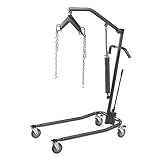 Drive Medical Hydraulic Patient Lift
A full lift is what makes one person able to manage a transfer alone. It is the single purchase that most often delays a move into residential care.
Check price on Amazon →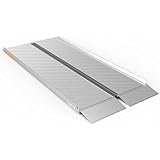 EZ-ACCESS Singlefold Wheelchair Ramp, 6 ft
Folds like a suitcase and carries in a car boot, so the same ramp handles the front step at home and the kerb at an appointment.
Check price on Amazon → Drive Medical Nitro Rollator with Seat
The seat matters more than the wheels. Being able to stop and rest is what decides whether someone still goes out at all.
Check price on Amazon → Vive Stand Assist Rail for Couch or Chair
Getting out of a low sofa is where most falls at home start. This is the cheapest thing on the list and often the first one needed.
Check price on Amazon →As an Amazon Associate we earn from qualifying purchases, at no extra cost to you. Researched guidance, not medical advice. Prices change, so check before buying.
Burial vs. Cremation
Traditional Burial
Involves: Embalming, viewing, funeral service, casket, cemetery plot, burial.
Pros: Traditional, provides a specific gravesite to visit, familiar ritual.
Cons: Most expensive option, requires cemetery plot, environmental impact.
Religious considerations: Some faiths require burial (Orthodox Judaism, Islam). Check with religious leader.
Cremation
Involves: Body is cremated, ashes returned to family. Service can be before or after.
Pros: Less expensive, flexible timing for service, many options for ashes.
Cons: Some find it less traditional, no traditional gravesite (unless ashes buried).
What to do with ashes: Keep in urn, scatter in meaningful location, bury in cemetery, divide among family, incorporate into memorial (jewelry, reef, etc.).
Green/Natural Burial
Involves: Burial without embalming, in biodegradable casket or shroud, in natural cemetery.
Pros: Environmentally friendly, can be less expensive, increasingly popular.
Cons: Fewer locations available, may not accommodate traditional viewing.
Many people think cremation means no funeral. Not true. You can have a full funeral service with the body present, then cremation. Or a memorial service after cremation. The timing is flexible.
Pre-Planning Benefits
Why Pre-Plan
- Your parent's wishes are documented and respected
- Removes burden from grieving family
- Prevents family arguments about what they would have wanted
- Can lock in today's prices (if prepaid)
- Can compare options calmly, without time pressure
- Ensures money is set aside for the expense
Pre-Planning vs. Pre-Paying
- Pre-planning: Documenting wishes, choosing options, but not paying ahead. Free to do.
- Pre-paying: Paying now for future services at today's prices.
Pre-paid funeral plans can be problematic: What if the funeral home closes? What if they move to a different area? What if you change your mind? If pre-paying, ensure the funds are in an irrevocable trust or insurance policy that transfers with the person. Get everything in writing.
Questions to Discuss with Your Parent
- Burial or cremation?
- If cremation, what to do with ashes?
- Where to be buried (specific cemetery, near family, etc.)?
- Do they already own a cemetery plot?
- Religious service or secular celebration of life?
- Specific readings, music, or participants they want?
- Open casket viewing or closed?
- Obituary preferences (published where, what to include)?
- Donations in lieu of flowers (to which organization)?
- Any specific wishes (military honors, specific clothing, etc.)?
- Budget preferences?
Having the Conversation
Opening Lines
- "I've been thinking about making my own plans, and it made me wonder about yours."
- "Have you ever thought about what you'd want for your funeral?"
- "I want to make sure I can honor your wishes someday. Can we talk about it?"
- "I read that planning ahead takes burden off the family. Would you be open to discussing?"
Tips for the Conversation
- Pick a calm, private time, not during illness or crisis
- Start with their values and wishes, not logistics
- It doesn't have to be one conversation, can happen over time
- Write things down
- If they refuse, respect it, but try again later
If They Haven't Planned
If your parent dies without documented wishes:
- Think about what they valued, faith, simplicity, being with family
- Ask family members if they ever mentioned preferences
- Look at how they grieved others, may indicate their values
- Consider their religious and cultural background
- Do what brings comfort to the living
- Don't overspend out of guilt
Saving Money on Funerals
- Compare prices: Call at least 3 funeral homes. Prices vary widely.
- Ask for itemized pricing: Required by law (FTC Funeral Rule)
- Skip embalming: Usually not legally required unless there's a long delay
- Choose direct cremation or burial: Significantly cheaper
- Buy casket elsewhere: Costco, online retailers, funeral homes must accept it
- Use rental casket: For viewing, then cremation
- Have service at church or home: Instead of funeral home chapel
- Limit flowers: Request donations instead
- DIY what you can: Obituary, programs, reception
Funeral homes must: provide itemized price list by phone or in person, allow you to buy only services you want, accept caskets purchased elsewhere, and not require embalming for most situations. Know your rights.
Veterans Benefits for Funerals
If your parent served in the military:
- Free burial in national cemetery: Grave, grave liner, headstone, opening/closing
- Burial allowance: Partial reimbursement if buried elsewhere
- Headstone/marker: Free from VA for any veteran's grave
- Military honors: Flag folding, bugle playing (at least 2 uniformed military)
- Presidential Memorial Certificate: Free on request
After Death: Immediate Steps
- If at home, call hospice (if on hospice) or 911
- If at facility, staff will guide you
- Contact the funeral home you've chosen
- Begin notifying family and close friends
- Locate important documents (will, insurance, etc.)
- Secure the home if they lived alone