Glaucoma in Elderly Parents: What Caregivers Need to Know
Your parent's eye doctor just mentioned glaucoma, and you're worried about blindness. Glaucoma is the second leading cause of blindness worldwide, affecting more than 3 million Americans, most of them over 60. The condition often has no symptoms until significant vision is already lost, earning it the name "the silent thief of sight."
The good news: with early detection and consistent treatment, most people with glaucoma can preserve their remaining vision for life. As a caregiver, you play a crucial role in ensuring your parent follows their treatment plan and attends regular eye exams.
Acute angle-closure glaucoma is an emergency. Seek immediate care if your parent experiences: sudden severe eye pain, nausea/vomiting with eye pain, seeing halos around lights, sudden blurred vision, or redness of the eye. This can cause permanent vision loss within hours if untreated.
What Is Glaucoma?
Glaucoma is a group of eye diseases that damage the optic nerve, the cable that carries visual information from the eye to the brain. In most cases, this damage is caused by elevated pressure inside the eye (intraocular pressure or IOP), though glaucoma can occur even with normal pressure.
The optic nerve is made up of more than a million tiny nerve fibers. As glaucoma damages these fibers, blind spots develop in the vision. Once nerve fibers are lost, they cannot regenerate, vision loss from glaucoma is permanent.
Glaucoma typically starts by affecting peripheral (side) vision, which the brain compensates for by filling in gaps. By the time someone notices vision loss, 40% or more of their optic nerve may already be damaged. Regular eye exams are the only way to catch glaucoma early.
The equipment that changes the most
Most of what caregiving costs is time. These four are the purchases that reliably buy some of it back, and they are the ones families tell us they wish they had bought sooner.
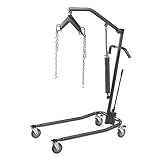 Drive Medical Hydraulic Patient Lift
A full lift is what makes one person able to manage a transfer alone. It is the single purchase that most often delays a move into residential care.
Check price on Amazon →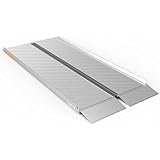 EZ-ACCESS Singlefold Wheelchair Ramp, 6 ft
Folds like a suitcase and carries in a car boot, so the same ramp handles the front step at home and the kerb at an appointment.
Check price on Amazon → Drive Medical Nitro Rollator with Seat
The seat matters more than the wheels. Being able to stop and rest is what decides whether someone still goes out at all.
Check price on Amazon → Vive Stand Assist Rail for Couch or Chair
Getting out of a low sofa is where most falls at home start. This is the cheapest thing on the list and often the first one needed.
Check price on Amazon →As an Amazon Associate we earn from qualifying purchases, at no extra cost to you. Researched guidance, not medical advice. Prices change, so check before buying.
Types of Glaucoma
Open-Angle Glaucoma
Most common (90% of cases)
The drainage angle of the eye remains open, but the trabecular meshwork (drain) doesn't function properly. Pressure builds gradually, painlessly damaging the optic nerve over years. No symptoms until advanced. Requires lifelong treatment.
Angle-Closure Glaucoma
Less common but can be emergency
The iris bulges forward, blocking the drainage angle. Can happen suddenly (acute) with severe symptoms, or gradually (chronic). Acute attacks are medical emergencies. More common in farsighted people and those of Asian descent.
Normal-Tension Glaucoma
Optic nerve damage despite normal eye pressure
Eye pressure is within normal range, but the optic nerve is still damaged. May be due to poor blood flow to the nerve. Treated similarly to other glaucoma. More common in people of Japanese descent.
Secondary Glaucoma
Caused by another condition
Results from other eye conditions (inflammation, injury, tumors), medical conditions (diabetes), or medications (steroids). Treatment addresses both the glaucoma and underlying cause.
Risk Factors for Glaucoma
Your parent may be at higher risk if they have:
- Age over 60: Risk increases significantly with age
- Family history: Risk is 4-9 times higher with a first-degree relative with glaucoma
- African or Hispanic ancestry: Higher rates and earlier onset of open-angle glaucoma
- Asian ancestry: Higher rates of angle-closure glaucoma
- High eye pressure: Even without diagnosis, elevated IOP is a risk factor
- Thin corneas: Measured during eye exam
- Diabetes: Associated with increased glaucoma risk
- Severe nearsightedness or farsightedness
- Previous eye injury or surgery
- Long-term steroid use: Oral, inhaled, or eye drop steroids
Symptoms and Warning Signs
Open-Angle Glaucoma
Usually NO symptoms until advanced. This is why screening is essential. Late symptoms include:
- Gradual loss of peripheral (side) vision
- Tunnel vision in advanced stages
- Difficulty with night driving
- Bumping into things on one side
Acute Angle-Closure Glaucoma (Emergency)
- Severe eye pain (often described as the worst they've felt)
- Nausea and vomiting
- Seeing halos or rainbows around lights
- Very blurred vision
- Red eye
- Headache on the affected side
Sudden severe eye pain in an elderly person should never be ignored. Acute angle-closure glaucoma can cause permanent blindness within 24-48 hours without treatment. Even if symptoms resolve, damage may have occurred.
Diagnosis and Monitoring
A comprehensive glaucoma evaluation includes several tests:
- Tonometry: Measures eye pressure (the "puff of air" test or contact method)
- Ophthalmoscopy: Examines the optic nerve for damage
- Visual field test: Maps peripheral vision to detect blind spots
- Gonioscopy: Examines the drainage angle of the eye
- Pachymetry: Measures corneal thickness (affects pressure readings)
- OCT (Optical Coherence Tomography): Images the optic nerve and retinal layers
Monitoring Schedule
Once diagnosed, your parent will need regular monitoring:
- Every 3-6 months initially or when adjusting treatment
- Every 6-12 months when stable
- Visual field testing typically 1-2 times per year
- OCT imaging periodically to track changes
Medicare Part B covers annual glaucoma screening for people at high risk (diabetes, family history, African American age 50+, Hispanic age 65+). Standard eye exams for glasses are not covered, but diagnostic exams for glaucoma management are covered.
Treatment Options
The goal of glaucoma treatment is to lower eye pressure to prevent further optic nerve damage. Treatment cannot restore lost vision but can preserve remaining vision.
Eye Drops (First-Line Treatment)
Most glaucoma is managed with daily eye drops. Common types:
- Prostaglandin analogs (latanoprost, bimatoprost, travoprost): Usually once daily at bedtime. Most effective at lowering pressure. May darken iris color and lengthen eyelashes.
- Beta-blockers (timolol, betaxolol): Usually twice daily. Can affect heart rate and breathing, may not be suitable for those with heart/lung conditions.
- Alpha agonists (brimonidine): Usually 2-3 times daily. Can cause allergic reactions in some.
- Carbonic anhydrase inhibitors (dorzolamide, brinzolamide): Usually 2-3 times daily. Stinging on application is common.
- Rho kinase inhibitors (netarsudil): Newer option, once daily. Often causes red eyes.
- Combination drops: Combine two medications in one bottle for convenience.
Laser Treatment
- SLT (Selective Laser Trabeculoplasty): For open-angle glaucoma. Done in office, no sedation. Improves drainage. Can be repeated if effects wear off. Often used early or when drops aren't enough.
- LPI (Laser Peripheral Iridotomy): For angle-closure glaucoma. Creates tiny hole in iris to improve fluid flow. Quick, preventive for the other eye often recommended.
Surgery
When drops and laser aren't enough:
- Trabeculectomy: Creates new drainage pathway. Most established surgery but requires careful follow-up.
- Tube shunt surgery: Implants a tiny tube to drain fluid. Often for complex cases.
- MIGS (Minimally Invasive Glaucoma Surgery): Newer, lower-risk procedures often done with cataract surgery. Multiple types available.
Administering Eye Drops: A Caregiver's Guide
Many elderly patients struggle with eye drops due to arthritis, tremor, poor aim, or simply forgetting. Here's how to help:
Prepare
Wash hands thoroughly. Have your parent sit or lie down with head tilted back. If using multiple drops, know which order to use them (ask the ophthalmologist).
Create a Pocket
Gently pull down the lower eyelid to create a small pocket. Have your parent look up to expose the pocket and protect the cornea.
Apply the Drop
Hold the bottle about one inch above the eye. Squeeze one drop into the lower eyelid pocket. Don't let the bottle tip touch the eye or eyelid (contamination risk).
Close and Press
Have your parent close their eye gently (not squeeze). Press lightly on the inner corner of the eye (near the nose) for 1-2 minutes. This prevents the drop from draining into the tear duct and bloodstream.
Wait Between Drops
If using multiple drops, wait at least 5 minutes between each medication. This ensures each drop is absorbed before the next.
- Eye drop guide devices: Plastic aids that help position the bottle over the eye
- Autodrop eyedrop dispenser: Squeezes the bottle automatically
- Lying down method: May be easier than sitting for some people
- Timer apps: Phone reminders for drop schedules
- Pharmacy blister packs: Some pharmacies pre-package single doses
Ensuring Medication Adherence
Studies show up to half of glaucoma patients don't use their drops as prescribed. This is dangerous because vision loss is irreversible. Barriers and solutions:
Common Barriers
- "I don't notice any difference": Glaucoma treatment prevents future damage, not immediate improvement
- Side effects: Stinging, redness, taste in mouth, discuss alternatives with doctor
- Cost: Generic versions, patient assistance programs, or medication changes may help
- Forgetfulness: Especially challenging with dementia
- Difficulty with drops: Physical limitations make application hard
- Complex schedules: Multiple drops at different times
Strategies to Improve Adherence
- Link drop times to daily routines (brushing teeth, meals)
- Use a consistent storage spot (but not bathroom, moisture damages drops)
- Set phone alarms or use medication reminder apps
- Use a calendar or checklist to mark when drops are given
- Ask about combination drops to reduce number of bottles
- Discuss laser treatment (SLT) to reduce drop burden
- If you live apart, check in by phone at drop time
Glaucoma drops should never be stopped abruptly. Set up automatic refills or mark your calendar 1-2 weeks before a bottle runs out. Keep the prescription current and maintain a backup bottle if possible.
Living with Vision Loss
If your parent has already lost some vision to glaucoma, these strategies can help:
Home Modifications
- Improve lighting: Brighter lights, especially task lighting
- Increase contrast: Light switches on dark walls, colored tape on stair edges
- Remove hazards: Clutter, loose rugs, low furniture they might not see
- Organize consistently: Keep items in predictable places
Vision Aids
- Large-print books and devices with adjustable font sizes
- Magnifying glasses and lighted magnifiers
- Talking watches, clocks, and scales
- Audio books and text-to-speech technology
- Smart speakers for hands-free information
Low Vision Rehabilitation
A low vision specialist (usually an optometrist) can:
- Prescribe specialized magnification devices
- Teach techniques for using remaining vision effectively
- Recommend adaptive equipment
- Connect with vision rehabilitation services
Glaucoma affects peripheral vision, which is critical for driving. Your parent's ophthalmologist can advise on whether driving is safe. Some states require vision testing for license renewal. If driving becomes unsafe, help explore transportation alternatives before a crisis.
Preventing Further Damage
While damage cannot be reversed, progression can usually be slowed or stopped:
- Use medications exactly as prescribed: this is the most important factor
- Keep all follow-up appointments: monitoring catches problems early
- Report any vision changes promptly
- Protect eyes from injury: wear safety glasses for yard work, sports
- Control other conditions: diabetes, high blood pressure affect eye health
- Exercise regularly: may help lower eye pressure modestly
- Limit caffeine: large amounts can temporarily raise eye pressure
- Avoid certain yoga poses: headstands and inverted positions raise eye pressure
Track Medications and Eye Appointments
Our Care Coordination Binder helps you track eye drop schedules, ophthalmology appointments, and vision changes, keeping all caregivers informed.
Get OrganizedQuestions to Ask the Ophthalmologist
- What type of glaucoma does my parent have?
- How advanced is the damage?
- What is the target eye pressure?
- What are the side effects of these drops?
- What time of day should each drop be used?
- Are there combination drops that could simplify the regimen?
- Would laser treatment be appropriate?
- How often does my parent need to be monitored?
- Is driving still safe?
- Should other family members be screened?
Key Takeaways
- Glaucoma has no early symptoms: regular eye exams are essential
- Vision loss is permanent: but further damage can be prevented
- Treatment is lifelong: drops must be used consistently, forever
- Sudden eye pain is an emergency: acute angle-closure needs immediate care
- Help with eye drops: many elderly patients struggle with administration
- Never run out of medication: keep prescriptions current
- Family members should be screened: glaucoma runs in families
Glaucoma is a serious but manageable condition. With consistent treatment and regular monitoring, most people with glaucoma can maintain useful vision for life. Your role as a caregiver, ensuring medication compliance, helping with drops, and getting your parent to appointments, is essential to this outcome.