Your parent is alive, yet you're grieving. The mother who remembered every birthday now doesn't recognize you. The father who built your treehouse can't walk to the mailbox. You're mourning someone who's still here, and society doesn't know what to do with that.
This grief is real, valid, and often invisible. Understanding it can help you process the losses while continuing to provide care.
Almost every caregiver experiences anticipatory grief. The sadness, guilt, and confusion you feel are normal responses to an abnormal situation. Acknowledging this grief doesn't mean giving up hope, it means being honest about what's happening.
Understanding Anticipatory Grief
What It Is
Anticipatory grief is mourning that occurs before a death. For caregivers, it often involves:
- Grieving who your parent was
- Grieving the relationship you had
- Grieving your own lost life
- Grieving the future you expected
- Grieving incrementally as each ability is lost
Why It's Complicated
- They're still alive: Society only recognizes grief after death
- Guilt: "How can I grieve when they're still here?"
- Ambiguity: The person exists but isn't fully "there"
- Ongoing: Each new loss triggers fresh grief
- Isolation: Others don't understand or are uncomfortable
It Comes in Waves
Grief isn't constant. It may hit when:
- They don't remember your name
- They can no longer do something they once loved
- You see a photo of them "before"
- Holidays remind you of how things used to be
- You realize you're parenting your parent
The equipment that changes the most
Most of what caregiving costs is time. These four are the purchases that reliably buy some of it back, and they are the ones families tell us they wish they had bought sooner.
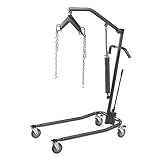 Drive Medical Hydraulic Patient Lift
A full lift is what makes one person able to manage a transfer alone. It is the single purchase that most often delays a move into residential care.
Check price on Amazon → EZ-ACCESS Singlefold Wheelchair Ramp, 6 ft
Folds like a suitcase and carries in a car boot, so the same ramp handles the front step at home and the kerb at an appointment.
Check price on Amazon → Drive Medical Nitro Rollator with Seat
The seat matters more than the wheels. Being able to stop and rest is what decides whether someone still goes out at all.
Check price on Amazon → Vive Stand Assist Rail for Couch or Chair
Getting out of a low sofa is where most falls at home start. This is the cheapest thing on the list and often the first one needed.
Check price on Amazon →As an Amazon Associate we earn from qualifying purchases, at no extra cost to you. Researched guidance, not medical advice. Prices change, so check before buying.
The Many Losses
Loss of the Parent You Knew
- Their personality changes
- Their memories fade
- Their abilities disappear
- Their role in your life shifts
- Who they were seems to be slipping away
Loss of Your Relationship
- Conversations become one-sided
- They can no longer give you advice
- The parent-child dynamic reverses
- Shared history is forgotten
- The person who knew you best no longer does
Loss of Your Own Life
- Career opportunities missed
- Social life diminished
- Personal time eliminated
- Financial resources depleted
- Your identity consumed by caregiving
Loss of the Future
- They won't see grandchildren graduate
- Retirement plans with them won't happen
- The relationship won't improve or heal
- Time is running out
You may cycle through denial, anger, bargaining, depression, and acceptance, often in a single day. There's no "right" order or timeline. Grief doesn't follow rules, and healing isn't a straight line.
Common Feelings
Guilt
- "I shouldn't feel this way when they're alive"
- "I should be doing more"
- "I sometimes wish this was over"
- "I resent them and feel terrible about it"
All of these feelings are normal. Thinking them doesn't make you a bad person.
Anger
- At the disease for taking them
- At the healthcare system
- At family who doesn't help
- At your parent (even when you know it's not their fault)
- At yourself
Relief
- When they have a good day
- When they're asleep and you have quiet
- At thoughts of it being over, followed by guilt
Relief is not betrayal. It's a human response to an exhausting situation.
Loneliness
- Even when you're with them constantly
- Missing the person they were
- Feeling like no one understands
- Being physically present but emotionally isolated
If grief becomes overwhelming, you can't function, have thoughts of self-harm, or feel hopeless for extended periods, please reach out. A therapist, counselor, or support group can help. Call 988 if you're in crisis.
Coping Strategies
Acknowledge the Grief
- Name it: "I'm grieving"
- Stop telling yourself you shouldn't feel this way
- Allow tears when they come
- Write about your losses
- Talk to someone who understands
Find Your People
- Support groups: In-person or online caregiver groups
- Therapist: Especially one experienced in caregiver issues
- One trusted friend: Who can handle the real truth
- Other caregivers: They understand like no one else
Create Rituals
- Look at old photos together (even if they don't remember)
- Play their favorite music
- Tell them stories from the past
- Celebrate small moments
- Mark transitions consciously rather than just enduring them
Honor What Remains
- Find connection in whatever form is possible
- Focus on moments of presence, not lost memories
- Look for who they still are, not just who they were
- Hold their hand even if they don't know whose hand it is
Many caregivers find meaning in the care itself, in the love it represents, the relationship it honors, the person it allows them to become. This doesn't erase the grief but can exist alongside it.
Taking Care of Yourself
Physical Self-Care
- Sleep matters, grief is exhausting
- Eat, even when you don't feel like it
- Move your body somehow
- Get outside occasionally
- Don't neglect your own health
Emotional Self-Care
- Allow yourself to feel without judgment
- Take breaks from caregiving when possible
- Do something just for you, even briefly
- Express creativity, writing, art, music
- Practice self-compassion
Give Yourself Permission
- To cry
- To feel angry
- To wish things were different
- To laugh and feel joy
- To take breaks
- To not be okay sometimes
Special Situations
When They Don't Recognize You
This is one of the deepest wounds of dementia caregiving. Strategies:
- Allow yourself to grieve this loss specifically
- Remind yourself they may still feel comfort from your presence
- Find value in being a source of kindness, even anonymously
- Don't quiz them, accept where they are
- Know that your love and care still matter
When They Say Hurtful Things
Disease can change personality, remove filters, surface old conflicts:
- Remember this is the disease, not them
- Don't take it personally (easier said than done)
- Step away when you need to
- Process hurt feelings with a therapist or support group
Long-Distance Caregiving
Grief from afar has its own challenges:
- Guilt about not being there
- Each visit shows more decline
- Fewer daily moments of connection
- Anticipating the call that changes everything
Strained Relationships
Grieving is complicated when the relationship was difficult:
- You may grieve what you never had
- Mixed feelings are normal
- Caring for them doesn't require forgiving past wrongs
- Therapy can help process complex feelings
After They Die
Anticipatory Grief Doesn't Replace Regular Grief
- Death still brings its own grief
- Some feel relief (and then guilt about relief)
- Some feel the "real" grief only begins after
- There's no "right" way to feel
The Transition Can Be Strange
- Identity shift: "Who am I without caregiving?"
- Time seems different
- Mixed feelings about freedom
- Missing even the hardest parts
- Caregiver Action Network: caregiveraction.org
- Alzheimer's Association: alz.org (support groups)
- 988 Suicide & Crisis Lifeline: Call or text 988
- GriefShare: griefshare.org
- Psychology Today: Find a therapist
Caregiver Wellness Resources
Our Caregiver Kit includes journaling prompts, self-care planning tools, and resources for protecting your mental health.
Get the Complete Caregiver Kit- Anticipatory grief is real and valid, you're mourning ongoing losses
- Guilt, anger, relief, and love can coexist
- Find support from those who understand: therapists, support groups, other caregivers
- Allow yourself to feel without judgment
- Take care of your physical and emotional health
- Honor what remains of your relationship while grieving what's lost
- Seek professional help if grief becomes overwhelming