Bathing is one of the most intimate activities you may need to help your parent with, and one of the most common sources of resistance and embarrassment for both of you. The bathroom is also the most dangerous room in the house for falls.
This guide covers how to make bathing safer, maintain your parent's dignity, handle resistance, and know when to get professional help.
Fear of falling, difficulty with balance, fatigue, embarrassment, cold sensitivity, depression, and cognitive decline all contribute to bathing difficulties. Understanding why your parent resists can help you find solutions.
Bathroom Safety Modifications
Before addressing the bathing itself, make the bathroom as safe as possible:
Essential Equipment
- Grab bars: Install near toilet and in shower/tub; must be anchored into studs (not suction cups)
- Non-slip mats: Inside tub/shower and on bathroom floor
- Shower chair or transfer bench: Allows sitting during bathing
- Handheld showerhead: Essential for seated bathing
- Raised toilet seat: Easier to sit and stand
- Night lights: For nighttime bathroom trips
Additional Modifications
- Remove throw rugs (tripping hazards)
- Set water heater to 120°F or below to prevent scalds
- Install anti-scald valve on faucet
- Keep bathroom well-lit
- Store supplies within easy reach (not on high shelves)
- Consider a walk-in tub or shower for major bathroom renovation
Bathrooms are where most home falls occur. Wet surfaces, hard fixtures, small spaces, and activities requiring balance create a perfect storm. Prevention is critical, once a fall happens in the bathroom, the injuries are often severe.
The equipment that changes the most
Most of what caregiving costs is time. These four are the purchases that reliably buy some of it back, and they are the ones families tell us they wish they had bought sooner.
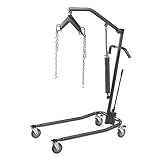 Drive Medical Hydraulic Patient Lift
A full lift is what makes one person able to manage a transfer alone. It is the single purchase that most often delays a move into residential care.
Check price on Amazon →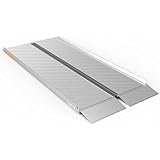 EZ-ACCESS Singlefold Wheelchair Ramp, 6 ft
Folds like a suitcase and carries in a car boot, so the same ramp handles the front step at home and the kerb at an appointment.
Check price on Amazon → Drive Medical Nitro Rollator with Seat
The seat matters more than the wheels. Being able to stop and rest is what decides whether someone still goes out at all.
Check price on Amazon → Vive Stand Assist Rail for Couch or Chair
Getting out of a low sofa is where most falls at home start. This is the cheapest thing on the list and often the first one needed.
Check price on Amazon →As an Amazon Associate we earn from qualifying purchases, at no extra cost to you. Researched guidance, not medical advice. Prices change, so check before buying.
Types of Bathing Assistance
Supervision Only
Your parent can bathe themselves, but you're nearby in case they need help or fall. You might:
- Stay within earshot
- Check in periodically
- Help them in and out of the tub/shower
- Lay out supplies beforehand
Partial Assistance
They do most of the bathing, but you help with specific tasks:
- Washing back, feet, or other hard-to-reach areas
- Shampooing hair
- Getting in and out safely
- Drying off and dressing
Full Assistance
They need help with all or most of bathing:
- You do the washing while they're seated
- Guide their movements
- Handle all aspects of hygiene
Step-by-Step Bathing Guide
Before the Bath
- Gather all supplies before starting (towels, washcloths, soap, clean clothes)
- Warm the bathroom (space heater if needed, but supervise)
- Run water and check temperature (should feel comfortable on inside of wrist)
- Lay out non-slip mats
- Help them undress (offer a robe or towel for modesty)
During the Bath
- Help them into the shower or tub slowly (use grab bars, transfer bench)
- Have them sit on shower chair if using one
- Let them do as much as they can independently
- Assist with washing from top down (face first, then body, private areas last)
- Rinse thoroughly, soap residue irritates skin
- Keep them warm, wet skin gets cold quickly
- Talk them through what you're doing
After the Bath
- Help them out carefully (wet skin is slippery)
- Pat dry gently, don't rub (elderly skin is fragile)
- Apply lotion to prevent dry skin
- Dry between toes and in skin folds to prevent fungal infections
- Help them dress in comfortable, easy-on clothing
- Check skin for any concerning areas (rashes, sores, bruising)
- Use a large towel or robe to cover areas you're not washing, preserves warmth and modesty
- Long-handled sponges help reach back and feet
- Liquid body wash is easier than bar soap
- No-rinse cleansers can substitute for full baths between showers
Preserving Dignity
This is uncomfortable for both of you. Here's how to make it less so:
For Your Parent
- Give choices whenever possible ("Shower or sponge bath today?")
- Let them do whatever they can themselves
- Keep them covered as much as possible during bathing
- Be matter-of-fact and calm, embarrassment is contagious
- Don't comment on their body
- Maintain their routine and preferences (favorite soap, time of day)
- Consider same-gender helper if that's more comfortable
For You
- It's normal to feel awkward, this passes with practice
- Think of it as caregiving, not a violation of boundaries
- Focus on the task, not the intimacy
- If cross-gender bathing is too uncomfortable, hire help for this task
- Remember: they would do the same for you
When They Resist Bathing
Bathing refusal is extremely common, especially with dementia. Understanding why helps you address it:
Common Reasons for Resistance
- Fear of falling: Make the bathroom safer; use shower chairs
- Cold: Warm the bathroom; use towels to cover them
- Embarrassment: Use covering techniques; consider same-gender help
- Depression: Address underlying mental health
- Fatigue: Bathe at their best time of day
- Cognitive decline: They may not remember how or why to bathe
- Pain: Standing or certain positions may hurt
Strategies That May Help
- Don't say "bath": Instead, say "Let's get freshened up" or "Time to get ready"
- Make it routine: Same time, same day, same process
- Offer incentives: "After your shower, let's have coffee together"
- Try different approaches: Shower vs. bath vs. sponge bath
- Reduce frequency: Daily bathing isn't medically necessary; 2-3 times per week is often sufficient
- Use no-rinse products: No-rinse shampoo, cleansing wipes between full baths
- Start with hair or feet: Less intimate areas first
- Play music: Their favorite songs can improve mood
Forcing a bath can cause trauma and make future bathing harder. If they're highly resistant, try again later, try a different approach, or settle for a sponge bath. Safety (preventing falls from struggle) matters more than a perfect bath.
Alternatives to Traditional Bathing
Sponge Bath / Bed Bath
When getting to the bathroom is too difficult:
- Wash one area at a time with warm, soapy washcloth
- Rinse with clean, damp cloth
- Dry and cover before moving to next area
- Keep them covered and warm throughout
No-Rinse Products
- No-rinse body wash and shampoo
- Bathing wipes (like baby wipes, but for adults)
- Dry shampoo
- Foam cleansers
Focus Areas
If a full bath isn't possible, focus on:
- Face and hands
- Underarms
- Private areas
- Under breasts and skin folds
- Feet
When to Get Professional Help
Consider hiring a home health aide for bathing if:
- Cross-gender bathing is too uncomfortable for either of you
- Your parent refuses your help but might accept a professional
- You're physically unable to safely assist (back problems, size difference)
- The relationship strain is too great
- Bathing creates significant conflict or distress
Home health aides are trained in personal care and approach it professionally. Your parent may find it less embarrassing to receive help from a professional than from their child. This is a valid reason to hire help even if you could technically do it yourself.
Skin Care Considerations
Elderly skin is fragile and needs special care:
- Use gentle, fragrance-free products: harsh soaps dry out skin
- Apply lotion after bathing: prevents dryness and cracking
- Pat dry, don't rub: reduces skin damage
- Check skin regularly: look for redness, sores, rashes, bruising
- Keep skin folds dry: moisture causes fungal infections
- Watch for pressure sores: especially on buttocks, heels, elbows
Daily Care Resources
Our Daily Care Kit includes bathing checklists, equipment guides, and personal care tracking tools.
Get the Complete Caregiver Kit- Bathroom safety modifications are essential before assisted bathing
- Let them do as much as possible independently
- Preserve dignity with covering techniques and choices
- Bathing 2-3 times per week is sufficient, daily isn't required
- Resistance is common; don't force it, try different approaches
- No-rinse products and sponge baths are valid alternatives
- Professional help is appropriate if this task strains your relationship
- Check skin regularly for problems