The word "hospice" is hard to say. It feels like giving up, like accepting defeat, like signing a death sentence. So families wait, often until the very end, when their loved one has only days or hours left.
This is one of the biggest regrets caregivers have: not calling hospice sooner. Because hospice isn't about giving up. It's about getting help, expert help with pain, symptoms, and emotional support, during the most difficult time. People who use hospice often live longer and more comfortably than those who don't.
Hospice doesn't hasten death. Studies show hospice patients often live longer than similar patients not in hospice. What hospice does is improve quality of life, manage symptoms, support families, and allow peaceful dying when the time comes.
What Hospice Care Actually Is
Hospice Provides
- Pain management: Experts in comfort care and symptom control
- Symptom relief: Nausea, breathing difficulty, anxiety, agitation
- Nursing visits: Regular check-ins, available 24/7 by phone
- Aide services: Help with bathing, personal care
- Medical equipment: Hospital bed, wheelchair, oxygen, etc.
- Medications: Related to the terminal diagnosis
- Social work: Practical and emotional support
- Chaplain services: Spiritual care if desired
- Volunteer visits: Companionship and respite
- Bereavement support: For family, for a year after death
Where Hospice Happens
- At home: Most common, the hospice team comes to you
- In nursing homes: Hospice adds a layer of specialized care
- In assisted living: Additional support to facility staff
- Hospice facilities: Inpatient hospice houses for acute needs
- In hospitals: Sometimes for short-term crisis management
Hospice isn't just a nurse who visits occasionally. It's a full interdisciplinary team: doctors, nurses, aides, social workers, chaplains, and volunteers, all focused on your loved one's comfort and your family's support.
The equipment that changes the most
Most of what caregiving costs is time. These four are the purchases that reliably buy some of it back, and they are the ones families tell us they wish they had bought sooner.
 Drive Medical Hydraulic Patient Lift
A full lift is what makes one person able to manage a transfer alone. It is the single purchase that most often delays a move into residential care.
Check price on Amazon →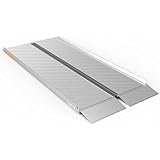 EZ-ACCESS Singlefold Wheelchair Ramp, 6 ft
Folds like a suitcase and carries in a car boot, so the same ramp handles the front step at home and the kerb at an appointment.
Check price on Amazon → Drive Medical Nitro Rollator with Seat
The seat matters more than the wheels. Being able to stop and rest is what decides whether someone still goes out at all.
Check price on Amazon → Vive Stand Assist Rail for Couch or Chair
Getting out of a low sofa is where most falls at home start. This is the cheapest thing on the list and often the first one needed.
Check price on Amazon →As an Amazon Associate we earn from qualifying purchases, at no extra cost to you. Researched guidance, not medical advice. Prices change, so check before buying.
When Is It Time?
Official Eligibility
For Medicare to cover hospice, two doctors must certify that the patient has a life expectancy of 6 months or less if the disease runs its normal course. This doesn't mean they will die in 6 months, just that they could, given the trajectory.
Signs It May Be Time
- Frequent hospitalizations: In and out without improvement
- Declining despite treatment: Getting worse, not better
- Severe symptoms: Pain, breathing difficulty, nausea not well controlled
- Significant weight loss: Unintentional, progressive
- Increased weakness: Spending most time in bed or chair
- Stopping eating and drinking: Loss of interest in food
- Recurrent infections: Pneumonia, UTIs, skin infections
- No more treatment options: Or choosing to stop aggressive treatment
- Focus shifting to comfort: Quality of life over quantity
The "Surprise Question"
Doctors use this: "Would I be surprised if this patient died within the next year?" If the answer is no, hospice conversation should happen.
The average hospice stay is only 18 days, and many families say they wish they'd started sooner. Hospice works best when there's time to build relationships, adjust medications, and provide support. Don't wait for the final days.
Common Myths vs. Reality
Myth: Hospice means giving up
Reality: Hospice means choosing comfort and quality. It's a different kind of care, not the absence of care. It takes courage to focus on what matters most.
Myth: You can only have hospice for a few weeks
Reality: Hospice can last months or even longer. If you live longer than expected, you can be recertified. Some people "graduate" from hospice when they improve.
Myth: You can't go to the hospital on hospice
Reality: You can revoke hospice at any time and resume regular treatment. You can also get inpatient hospice care for acute symptom management.
Myth: Hospice is only for cancer
Reality: Hospice serves people with any terminal illness: heart failure, COPD, dementia, kidney failure, ALS, and more.
Myth: Hospice kills people with morphine
Reality: Hospice uses medication to manage pain and symptoms, not to hasten death. Proper pain management often extends life by reducing stress on the body.
Myth: Hospice is expensive
Reality: Medicare covers hospice 100%. Medicaid covers it too. Most private insurance covers hospice care.
How to Start Hospice
Steps to Get Started
- Talk to the doctor: Ask about hospice eligibility and get a referral
- Contact a hospice agency: You can call directly; they'll coordinate with the doctor
- Meet with hospice: They'll assess the patient and explain services
- Sign consent: Hospice election form (can be revoked any time)
- Begin services: Usually within 24-48 hours
Choosing a Hospice
- Ask the doctor for recommendations
- Check Medicare's Hospice Compare website
- Ask how quickly they respond to calls
- Ask about 24/7 availability
- Ask about their approach to pain management
- Consider whether they specialize in particular conditions
If you're not happy with your hospice provider, you can transfer to a different one. You're not locked in. Your loved one deserves excellent care.
Having the Conversation
With Your Parent
- Focus on comfort and quality: "I want to make sure you're as comfortable as possible"
- Emphasize support: "Hospice brings a team to help us take care of you"
- Address fears directly: "This isn't giving up, it's getting expert help"
- Discuss their goals: "What matters most to you right now?"
- Reassure: "You can change your mind if you want"
With Other Family Members
- Share information about what hospice actually provides
- Discuss the current trajectory honestly
- Focus on the patient's wishes and comfort
- Address guilt: "This is what loving care looks like now"
- Get everyone on the same page before talking to the patient
What to Expect on Hospice
Typical Services
- Nurse visits: Usually 1-3 times per week, more often as needed
- Aide visits: 2-3 times per week for personal care
- 24/7 phone line: Nurse always available to answer questions
- Medications delivered: Related to comfort care
- Equipment delivered: Hospital bed, oxygen, etc. as needed
- Social worker: Helps with practical and emotional needs
- Chaplain: Spiritual support if desired
What Hospice Does NOT Provide
- 24-hour in-home care (family still provides most hands-on care)
- Curative treatment for the terminal illness
- All medications (only those related to comfort)
- Treatment for unrelated conditions (those stay with regular doctor)
Near the End
As death approaches, hospice increases support:
- More frequent nurse visits
- Continuous care available in final hours if needed
- Guidance for family on what to expect
- Emotional and spiritual support
- Medications to ensure comfort
After death, hospice:
- Pronounces death (if nurse is present)
- Helps with funeral home arrangements
- Picks up equipment and medications
- Provides bereavement support for a year
"I wish we'd called hospice sooner." The care, the support, the expertise in managing symptoms, families consistently regret waiting until the very end. If you're wondering whether it's time, it probably is.
Prepare for This Transition
Our End-of-Life Planning Guides help you navigate hospice decisions, have important conversations, and organize what matters most.
Get the Complete Caregiver Kit- Hospice is about comfort and quality, not giving up
- Medicare covers hospice 100%
- Eligibility: life expectancy of 6 months or less (doesn't mean you'll die in 6 months)
- Hospice can last months, don't wait until the final days
- You can revoke hospice and return to regular treatment any time
- Hospice patients often live longer than similar non-hospice patients
- Hospice serves any terminal illness, not just cancer
- The most common regret: "I wish we'd started sooner"