Kidney Disease in Elderly Parents
Chronic kidney disease (CKD) affects about 40% of adults over 70. The kidneys gradually lose function, affecting fluid balance, blood pressure, and waste removal. Understanding the stages, managing medications safely, and making decisions about dialysis are key parts of caregiving for a parent with kidney disease.
Most people with early CKD have no symptoms. It's usually discovered through blood tests (creatinine, GFR) or urine tests (protein). By the time symptoms appear, significant kidney function has already been lost.
Stages of Chronic Kidney Disease
CKD is measured by GFR (glomerular filtration rate), how well kidneys filter waste. Normal is 90+.
Stage 1: GFR 90+ (Kidney Damage with Normal Function)
What it means: Some kidney damage but still filtering normally
Symptoms: Usually none
Action: Treat underlying causes (diabetes, high BP), monitor regularly
Stage 2: GFR 60-89 (Mild Loss)
What it means: Mild reduction in kidney function
Symptoms: Usually none
Action: Continue treating underlying causes, medication review, lifestyle changes
Stage 3: GFR 30-59 (Moderate Loss)
What it means: Moderate reduction, kidneys struggling to filter
Symptoms: May have fatigue, swelling, urination changes
Action: See nephrologist, medication adjustments, dietary changes, avoid kidney-toxic drugs
Stage 4: GFR 15-29 (Severe Loss)
What it means: Severe reduction, preparing for possible dialysis
Symptoms: Fatigue, swelling, nausea, itching, taste changes, confusion
Action: Dialysis planning, discuss transplant (rarely for elderly), strict dietary limits, frequent monitoring
Stage 5: GFR Below 15 (Kidney Failure)
What it means: Kidneys can no longer sustain life without treatment
Symptoms: Severe fatigue, confusion, nausea, shortness of breath, severe swelling
Action: Dialysis required OR conservative/comfort care decision
The equipment that changes the most
Most of what caregiving costs is time. These four are the purchases that reliably buy some of it back, and they are the ones families tell us they wish they had bought sooner.
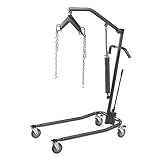 Drive Medical Hydraulic Patient Lift
A full lift is what makes one person able to manage a transfer alone. It is the single purchase that most often delays a move into residential care.
Check price on Amazon → EZ-ACCESS Singlefold Wheelchair Ramp, 6 ft
Folds like a suitcase and carries in a car boot, so the same ramp handles the front step at home and the kerb at an appointment.
Check price on Amazon → Drive Medical Nitro Rollator with Seat
The seat matters more than the wheels. Being able to stop and rest is what decides whether someone still goes out at all.
Check price on Amazon → Vive Stand Assist Rail for Couch or Chair
Getting out of a low sofa is where most falls at home start. This is the cheapest thing on the list and often the first one needed.
Check price on Amazon →As an Amazon Associate we earn from qualifying purchases, at no extra cost to you. Researched guidance, not medical advice. Prices change, so check before buying.
Symptoms to Watch For
Early-to-Moderate CKD
- Fatigue, low energy
- Trouble concentrating
- Poor appetite
- Difficulty sleeping
- Muscle cramps (especially at night)
- Swelling in feet and ankles
- Puffy eyes in morning
- Frequent urination (especially at night)
- Dry, itchy skin
Advanced CKD (Seek Medical Attention)
- Severe fatigue, inability to function
- Nausea, vomiting
- Confusion or difficulty thinking
- Shortness of breath
- Persistent severe itching
- Significant swelling
- Decreased urine output
- Metallic taste in mouth
- Ammonia breath
Go to ER if: severe shortness of breath, chest pain, extreme confusion, severe swelling with breathing difficulty, little or no urine output, or if they become unresponsive. Kidney failure can cause life-threatening fluid buildup and toxin accumulation.
Medications to Avoid or Adjust
Many common medications are dangerous with kidney disease. Always inform every doctor about CKD.
- NSAIDs: Ibuprofen (Advil, Motrin), naproxen (Aleve), aspirin in high doses
- Some antibiotics: Certain types must be adjusted or avoided
- Contrast dye: For CT scans (must take precautions)
- Certain diabetes medications: Metformin may need adjustment
- Some blood pressure medications: May need adjustment in advanced CKD
- Antacids with magnesium or aluminum: Can build up
- Herbal supplements: Many are toxic to kidneys
Before Any New Medication
- Tell every prescriber about the CKD and current GFR
- Ask: "Is this medication safe for their kidneys?"
- Ask: "Does the dose need to be adjusted?"
- Check with pharmacist about over-the-counter medications
- Avoid herbal supplements unless cleared by nephrologist
Dietary Management
Diet restrictions become more important as kidney disease advances. A renal dietitian is invaluable.
Common Restrictions
- Sodium: Usually limited to 1,500-2,000mg/day (reduces swelling, helps BP)
- Potassium: May need to limit (high levels are dangerous). Foods high in potassium: bananas, oranges, potatoes, tomatoes
- Phosphorus: Often restricted in advanced CKD. High in dairy, nuts, beans, cola
- Protein: May be limited before dialysis, increased on dialysis
- Fluids: May need restriction in advanced stages
Restrictions depend on stage, lab values, and whether on dialysis. Don't assume, ask for specific guidance. What's restricted at Stage 3 may be different than Stage 5. A renal dietitian can create an individualized plan.
The Dialysis Decision
When kidneys fail, dialysis or transplant can keep someone alive. For elderly patients, this is a major quality-of-life decision.
Types of Dialysis
- Hemodialysis: Blood filtered through machine. Usually 3 times/week, 4 hours each at dialysis center. Can do at home in some cases.
- Peritoneal dialysis: Fluid goes into abdomen, filters through lining, drains out. Done daily at home. Requires training and dexterity.
Questions to Consider
- What is their overall health and life expectancy?
- How will dialysis affect their quality of life?
- Can they tolerate the physical demands?
- Do they have transportation to/from dialysis?
- What are their goals, living longer or living more comfortably?
- What does your parent want?
For very elderly or frail patients with multiple health problems, dialysis may extend life only modestly while significantly reducing quality of life. Conservative (non-dialysis) management focuses on comfort and symptom control. This is a legitimate choice, not "giving up." Discuss with the nephrologist and palliative care team.
Living with Dialysis
If your parent chooses dialysis:
Hemodialysis Life
- Access needed: Usually a fistula in arm (created surgically months ahead)
- Schedule: 3-4 hours, 3 times weekly at center
- May feel tired/weak after treatments
- Strict fluid and diet restrictions
- Regular blood tests and monitoring
- May still be able to travel (arrange dialysis at destination)
Supporting Them
- Help with transportation to appointments
- Learn the dietary restrictions
- Monitor for complications (access site infections, fluid overload)
- Provide emotional support, dialysis life is hard
- Help advocate with dialysis center staff
Preventing Kidney Disease Progression
- Control blood pressure: Target usually below 130/80
- Manage diabetes: Keep blood sugar in target range
- Avoid nephrotoxic drugs: Especially NSAIDs
- Stay hydrated: Unless fluid-restricted
- Don't smoke: Accelerates kidney damage
- Regular monitoring: Blood and urine tests as recommended
- ACE inhibitors or ARBs: These blood pressure medications protect kidneys (if tolerated)
Working with the Healthcare Team
- Nephrologist: Kidney specialist, essential for CKD Stage 3+
- Primary care doctor: Coordinates overall care
- Renal dietitian: Creates personalized eating plan
- Pharmacist: Reviews all medications for kidney safety
- Social worker: Helps with dialysis decisions, insurance, support
- Palliative care: Symptom management and quality of life (not just end of life)