Knee Replacement Recovery for Elderly Parents: A Complete Caregiver Guide
Your elderly parent is having knee replacement surgery, or just had it, and you're wondering what to expect. Total knee replacement is one of the most successful surgeries for improving quality of life, but the first weeks of recovery require significant support. For elderly patients, the recovery process may take longer and require more careful monitoring than for younger adults.
This guide walks you through each phase of recovery, from preparing the home before surgery to the months of physical therapy that follow. Your support during this time is essential to a successful outcome.
Call 911 or go to the ER immediately for: sudden severe shortness of breath, chest pain, calf pain with swelling (blood clot signs), high fever (over 101.5°F), wound drainage that's thick, cloudy, or foul-smelling, or sudden confusion or unresponsiveness.
Before Surgery: Preparing the Home
Proper preparation before surgery can prevent falls and make recovery much smoother. Complete these tasks at least one week before the surgery date:
Home Safety Modifications
- Remove all throw rugs and loose cords from walkways
- Install or secure handrails on all stairs
- Add grab bars in the bathroom (near toilet and in shower)
- Ensure adequate lighting throughout, especially at night
- Move frequently used items to counter height (no bending or reaching)
- Clear wide pathways for walker navigation
- Set up a recovery station on the main floor if possible
Equipment to Have Ready
- Walker or crutches (often provided by hospital)
- Raised toilet seat (essential, reduces knee bending)
- Shower chair or bench
- Handheld shower head
- Grabber/reacher tool for picking things up
- Long-handled shoehorn and sock aid
- Firm, high-seated chair with armrests
- Ice packs (multiple, to rotate)
- Leg elevation pillow or wedge
Pre-Surgery Preparations
- Stock up on easy-prep meals and snacks
- Fill prescriptions for post-op medications if possible
- Arrange reliable transportation for follow-up appointments
- Arrange for help at home for at least the first 2-3 weeks
- Prepare loose, comfortable clothing (shorts or wide-leg pants)
- Have slip-on shoes with non-slip soles ready
- Pre-plan physical therapy schedule if outpatient
If your parent normally sleeps upstairs, consider setting up a temporary bedroom on the main floor for the first 2-4 weeks. Climbing stairs is possible with a walker but exhausting in early recovery. If stairs are unavoidable, they should only be done once or twice daily initially.
The equipment that changes the most
Most of what caregiving costs is time. These four are the purchases that reliably buy some of it back, and they are the ones families tell us they wish they had bought sooner.
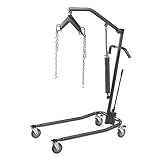 Drive Medical Hydraulic Patient Lift
A full lift is what makes one person able to manage a transfer alone. It is the single purchase that most often delays a move into residential care.
Check price on Amazon →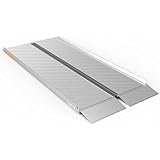 EZ-ACCESS Singlefold Wheelchair Ramp, 6 ft
Folds like a suitcase and carries in a car boot, so the same ramp handles the front step at home and the kerb at an appointment.
Check price on Amazon → Drive Medical Nitro Rollator with Seat
The seat matters more than the wheels. Being able to stop and rest is what decides whether someone still goes out at all.
Check price on Amazon → Vive Stand Assist Rail for Couch or Chair
Getting out of a low sofa is where most falls at home start. This is the cheapest thing on the list and often the first one needed.
Check price on Amazon →As an Amazon Associate we earn from qualifying purchases, at no extra cost to you. Researched guidance, not medical advice. Prices change, so check before buying.
What to Expect: Recovery Timeline
Every patient recovers differently, and elderly patients generally take longer than younger ones. This is a general timeline, your parent's surgeon will provide specific guidance.
Immediate Post-Surgery
- Most patients walk with a walker within hours of surgery
- Physical therapy begins in the hospital
- Pain is managed with medications; expect significant discomfort
- Hospital stay is typically 1-3 days (sometimes same-day for younger patients)
- Blood clot prevention measures start immediately
- Discharge planning begins, may go home or to rehab facility
First Week at Home
- Pain and swelling are at their worst, this is normal
- Walking with walker to bathroom and for short distances
- Icing and elevating knee multiple times daily (crucial for swelling)
- Taking prescribed pain medications regularly
- Beginning home exercises as prescribed
- Home health physical therapist visits 2-3 times
- Incision care (keeping dry, watching for infection signs)
- Blood thinner medications or compression devices for clot prevention
Building Strength
- Pain begins to improve (though still present)
- Swelling remains significant but starts to decrease
- Walking distances increase; may progress to cane
- Outpatient physical therapy begins (usually 2-3 times per week)
- Can shower once incision is healed (usually around day 10-14)
- Knee bending (flexion) goal: 90 degrees by week 3
- May stop blood thinners (per surgeon's instructions)
Turning the Corner
- Most patients transition from walker to cane
- Can usually manage stairs more easily
- May be able to drive (if it's the left knee and they drive automatic)
- Staples or sutures removed if not already
- Physical therapy continues; exercises become more challenging
- Knee bending goal: 100-110 degrees
- Sleep improves but nighttime discomfort may persist
Building Toward Normal
- Many patients walk without assistive devices by week 6-8
- Can usually drive (both knees)
- Return to many normal activities
- Physical therapy may continue or transition to home program
- Swelling may persist but continues to improve
- Knee bending goal: 115+ degrees
The Long Game
- Gradual improvement continues for up to a year
- Swelling can persist for 6+ months (normal)
- Final range of motion achieved around 6 months
- Full benefit felt at 6-12 months
- Most patients report significant pain relief and improved function
If your parent is over 75, has other health conditions, or was very deconditioned before surgery, expect recovery milestones to take longer. This is normal. The goal is steady progress, not speed.
Physical Therapy: The Key to Success
Physical therapy is the single most important factor in knee replacement success. Your role as a caregiver is to encourage and support this process.
What PT Involves
- Range of motion exercises: Bending and straightening the knee
- Strengthening exercises: Rebuilding muscles weakened by surgery and pre-surgery pain
- Gait training: Relearning to walk normally
- Balance exercises: Preventing falls
- Functional training: Getting up from chairs, climbing stairs
Your Role in PT
- Ensure they attend all sessions: missing PT slows recovery
- Help with home exercises: PT gives daily homework; it matters
- Track progress: note increases in walking distance, knee bending
- Provide encouragement: recovery is hard; they'll want to quit
- Communicate with the therapist: report concerns or setbacks
PT should be challenging but not excruciating. If your parent describes sharp, severe pain during exercises (not just muscle soreness), tell the therapist. Pushing too hard can cause setbacks.
Common PT Goals
Pain Management
Knee replacement is painful, there's no way around it. Good pain management helps your parent participate in PT, which is essential for recovery.
Pain Medications
- Opioids (oxycodone, hydrocodone): Used for the first 1-2 weeks, then tapered
- NSAIDs (ibuprofen, naproxen): Often added to reduce inflammation
- Acetaminophen (Tylenol): Used around the clock in early recovery
- Nerve blocks or pain pumps: Sometimes used during/after surgery
Opioids can cause confusion, constipation, falls, and breathing problems in elderly patients. Use the lowest effective dose. Transition to non-opioid pain relievers as soon as possible. Always take opioids with a stool softener. Never combine with alcohol or other sedatives.
Non-Medication Pain Relief
- Ice: 20 minutes on, 20 minutes off, multiple times daily. Critical for swelling.
- Elevation: Keep leg above heart level when resting
- Compression: Compression stockings reduce swelling
- Movement: Counterintuitively, gentle movement helps pain more than rest
- Distraction: TV, audiobooks, visitors, anything to take mind off pain
- Sleep: Adequate rest helps healing and pain tolerance
Sleeping After Knee Replacement
Sleep is often difficult in the first few weeks. Tips:
- Sleep on back with pillow under calf (not under knee, this limits extension)
- Side sleeping may be possible with pillow between knees
- Take pain medication 30 minutes before bed
- Ice the knee before bed to reduce nighttime swelling
- Avoid caffeine in the afternoon
- Consider a recliner if bed is too difficult
Preventing Complications
Blood Clots (DVT)
Blood clots are the most serious common complication. Prevention measures:
- Blood thinners: Taken as prescribed (usually 2-6 weeks)
- Compression stockings or devices
- Movement: Walking and ankle pumps regularly
- Hydration: Drink plenty of fluids
- Avoid long periods of immobility
Leg clot (DVT): Calf pain, swelling, warmth, redness, often in one leg more than the other. Lung clot (PE): Sudden shortness of breath, chest pain, rapid heartbeat, coughing up blood. PE is a medical emergency, call 911.
Infection
Surgical site infections can be devastating. Watch for:
- Increasing redness around the incision
- Drainage that's yellow, green, or foul-smelling
- Fever over 101°F
- Increasing pain (rather than gradual improvement)
- Wound opening or separation
Falls
Falls are extremely dangerous after knee replacement. Prevention:
- Use walker or cane as prescribed, no "toughing it out"
- Keep pathways clear and well-lit
- No rushing, allow extra time for everything
- Wear non-slip footwear, never socks alone
- Don't carry items while walking, use a bag on the walker
- Have someone nearby for the first few weeks
Stiffness (Arthrofibrosis)
The knee can become stiff if scar tissue forms. Prevention:
- Do PT exercises religiously, this is the main prevention
- Work on both bending (flexion) and straightening (extension)
- If range of motion plateaus, tell the surgeon immediately
- Rarely, a "manipulation under anesthesia" may be needed to break up scar tissue
Daily Care Tasks
First 2 Weeks: Maximum Support Needed
- Help with bathing (sponge bath until incision heals)
- Meal preparation and bringing food to them
- Medication management, use a chart or pill organizer
- Helping in/out of bed and chairs
- Applying ice packs regularly
- Compression stocking assistance (they're tight!)
- Emptying urinal or commode if needed
- Wound care and dressing changes
- Driving to appointments
Weeks 2-4: Transitioning
- Supervising rather than doing, encourage independence
- Shower assistance (with shower chair)
- Continued medication management
- Driving to PT appointments
- Helping with exercises if needed
- Grocery shopping and errands
After Week 4: Decreasing Support
- Check-ins rather than constant presence
- Transportation to appointments
- Encouragement to keep up with exercises
- Help with heavy tasks (laundry, cleaning)
Stay Organized During Recovery
Track medications, PT exercises, appointments, and recovery milestones with our Care Coordination Binder. Everything in one place for multiple caregivers.
Get the BinderNutrition for Healing
Good nutrition supports wound healing and energy for PT:
- Protein: Essential for tissue repair, lean meats, fish, eggs, beans, dairy
- Vitamin C: Supports collagen formation, citrus, berries, peppers
- Zinc: Aids wound healing, meat, nuts, seeds
- Fiber: Prevents constipation (common with pain meds), fruits, vegetables, whole grains
- Hydration: Helps prevent blood clots and constipation
- Limit alcohol: Interferes with healing and medications
Emotional Support
Recovery is emotionally challenging. Your parent may experience:
- Frustration with slow progress
- Dependency feelings: loss of independence is hard
- Depression: common after major surgery
- Anxiety about whether the surgery "worked"
- Sleep deprivation effects: grumpiness, confusion
How to Help
- Celebrate small wins, each degree of bending matters
- Remind them improvement is gradual but real
- Share success stories from others who've had knee replacement
- Give them meaningful tasks to maintain purpose
- Watch for signs of significant depression and report to doctor
- Take care of yourself, caregiver burnout is real
Returning to Normal Activities
Long-Term Expectations
What your parent can expect from their new knee:
What Knee Replacement Can Do
- Eliminate or significantly reduce arthritis pain
- Improve ability to walk, climb stairs, get up from chairs
- Allow return to low-impact activities
- Improve quality of life significantly
Limitations to Understand
- The knee won't feel "normal", some numbness and stiffness is permanent
- Maximum bending may be 120 degrees (kneeling may remain difficult)
- High-impact activities (running, jumping) should be avoided
- Knee replacements eventually wear out (15-20+ years typically)
- Some people feel weather changes in their knee
- Metal detectors at airports may be triggered (carry a card)
Key Takeaways for Caregivers
- Prepare the home before surgery, safety modifications and equipment
- Physical therapy is everything: ensure attendance and home exercises
- Watch for complications: blood clots, infection, excessive stiffness
- Manage pain proactively: ice, elevation, medications as prescribed
- Prevent falls: use walker/cane, keep pathways clear
- Expect slow progress: elderly patients take longer; that's okay
- Provide emotional support: recovery is frustrating; encouragement matters
- Take care of yourself: caregiver burnout helps no one
Knee replacement surgery gives the gift of mobility back to people limited by arthritis pain. The recovery is challenging, especially for elderly patients, but the outcome is almost always worth it. Your support during these weeks makes a real difference in your parent's success.