Meal Delivery Services for Elderly Parents: Options for Every Need
Your elderly parent isn't eating well. Maybe they've lost interest in cooking, can't manage the grocery store anymore, or simply forget to eat. Poor nutrition in seniors leads to weight loss, weakened immunity, falls, and faster decline. But getting regular, nutritious meals to them, especially if you don't live nearby, can feel overwhelming.
The good news: meal delivery options for seniors have expanded dramatically. From subsidized community programs to premium prepared meal services, there's a solution for almost every budget and dietary need. This guide walks you through all the options so you can find the right fit for your parent.
Malnutrition affects up to 50% of older adults. Regular meal delivery doesn't just provide nutrition, it provides routine, reduces isolation (someone checks on them regularly), and gives family caregivers peace of mind that their parent is eating.
Types of Meal Services
Before comparing specific services, understand the main categories:
1. Government/Nonprofit Programs
Subsidized or free meals for eligible seniors, often including a wellness check component.
2. Prepared Meal Delivery
Ready-to-eat or heat-and-eat complete meals delivered to the door.
3. Meal Kits
Pre-portioned ingredients with recipes, best for seniors who still enjoy cooking but need convenience.
4. Grocery Delivery
Traditional groceries delivered from stores, for seniors who still cook but can't shop.
5. Restaurant Delivery
Apps like DoorDash, Uber Eats for occasional meal delivery.
The equipment that changes the most
Most of what caregiving costs is time. These four are the purchases that reliably buy some of it back, and they are the ones families tell us they wish they had bought sooner.
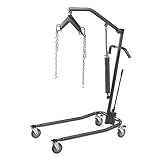 Drive Medical Hydraulic Patient Lift
A full lift is what makes one person able to manage a transfer alone. It is the single purchase that most often delays a move into residential care.
Check price on Amazon →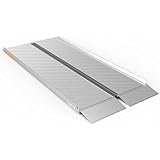 EZ-ACCESS Singlefold Wheelchair Ramp, 6 ft
Folds like a suitcase and carries in a car boot, so the same ramp handles the front step at home and the kerb at an appointment.
Check price on Amazon → Drive Medical Nitro Rollator with Seat
The seat matters more than the wheels. Being able to stop and rest is what decides whether someone still goes out at all.
Check price on Amazon → Vive Stand Assist Rail for Couch or Chair
Getting out of a low sofa is where most falls at home start. This is the cheapest thing on the list and often the first one needed.
Check price on Amazon →As an Amazon Associate we earn from qualifying purchases, at no extra cost to you. Researched guidance, not medical advice. Prices change, so check before buying.
Meals on Wheels and Community Programs
For many seniors, community meal programs are the best starting point, they're affordable or free and often include valuable social components.
Meals on Wheels
What it is: A nationwide network of local programs delivering meals to homebound seniors. Most serve one hot meal per day, 5 days per week. Many include frozen meals for weekends.
Eligibility: Generally 60+ and homebound or unable to prepare meals. Income limits vary by location, many programs accept all seniors regardless of income.
Bonus: Volunteers provide daily wellness checks and social interaction.
Find your local program: Visit mealsonwheelsamerica.org or call 211.
Congregate Meals (Senior Centers)
What it is: Meals served at senior centers, churches, or community centers. Provides both nutrition and socialization.
Best for: Seniors who can get to a location and benefit from social interaction.
How to find: Contact your local Area Agency on Aging or call 211.
SNAP (Food Stamps) + Grocery Delivery
What it is: SNAP benefits can now be used at many online grocery retailers for delivery. Amazon, Walmart, and others accept SNAP for online orders.
How to apply: Visit your state's SNAP website or call 211.
Dial 211 from any phone to connect with local resources including meal programs, transportation, and other senior services. It's free and available 24/7 in most areas.
Prepared Meal Delivery Services
For seniors who need ready-to-eat meals but don't qualify for (or want) community programs, commercial meal delivery offers convenience and variety:
Mom's Meals (by PurFoods)
What it is: Prepared, refrigerated meals designed for seniors. Ships nationwide. Offers over 60 menu options with many specialized diets.
Dietary options: Diabetic-friendly, renal-friendly, heart-healthy, pureed, vegetarian, and more.
Best for: Seniors with specific medical dietary needs. Often covered by insurance for qualifying conditions.
Note: Check if your parent's Medicare Advantage or Medicaid plan covers meals, many do for homebound seniors or those with chronic conditions.
Magic Kitchen
What it is: Frozen complete meals shipped nationwide. Wide variety of home-style cooking and specialty diet options.
Dietary options: Low-sodium, diabetic, renal, soft food, low-fat, and portion-controlled.
Best for: Seniors who want restaurant-quality meals with specific dietary accommodations.
Ordering: Can order individual meals or bundles; no subscription required.
Silver Cuisine by BistroMD
What it is: Chef-prepared, frozen meals specifically designed for seniors. Developed with a doctor specializing in nutrition.
Dietary options: Heart-healthy, diabetic-friendly, gluten-free, low-sodium, menopause-support.
Best for: Health-conscious seniors looking for nutritionally balanced, tasty meals.
Subscription: Flexible, weekly orders, skip when needed.
Freshly (Now part of Nestlé)
What it is: Fresh, never-frozen prepared meals delivered weekly. Heat in microwave for 3 minutes.
Best for: Seniors who want fresh (not frozen) meals with simple preparation. Limited specialized diet options.
Note: Meals have 6-day shelf life, good for seniors who eat regularly.
Factor (HelloFresh)
What it is: Fresh, chef-prepared meals delivered weekly. Microwave or oven to heat.
Dietary options: Keto, calorie-smart, protein-plus, vegetarian, and more.
Best for: Seniors who want premium, fresh-prepared meals and don't mind higher cost.
Subscription: Weekly; easily modified or paused.
Meal Comparison: What's Right for Your Parent?
| Service Type | Best For | Cost Range |
|---|---|---|
| Meals on Wheels | Homebound seniors; limited income; need daily check-ins | Free - $10/meal |
| Mom's Meals | Medical dietary needs; may be covered by insurance | $7-10/meal |
| Magic Kitchen | Variety of diets; no subscription; occasional use | $10-14/meal |
| Silver Cuisine | Health-focused seniors; nutritionally designed meals | $10-13/meal |
| Freshly/Factor | Fresh (not frozen); higher budget; premium taste | $9-15/meal |
| Grocery delivery | Seniors who still cook; need ingredients delivered | Groceries + $5-15 delivery |
Grocery Delivery Services
For seniors who still enjoy cooking but can't get to the store:
Instacart
How it works: Shop from local grocery stores online; a personal shopper picks and delivers. Same-day delivery available.
Senior tip: Family can set up and manage the account, placing orders for their parent.
Walmart Grocery Delivery
How it works: Order online from Walmart's inventory; delivered to door. SNAP/EBT accepted.
Best for: Budget-conscious seniors; familiar Walmart products.
Amazon Fresh / Whole Foods Delivery
How it works: Order groceries through Amazon; delivered by Amazon drivers. SNAP/EBT accepted for Amazon Fresh.
Best for: Families who already have Prime and want to manage orders remotely.
Most grocery delivery services allow you to add a parent's address as a delivery location on your account. You can place orders from anywhere, pay for them, and have groceries delivered to their door. This is ideal for long-distance caregivers.
Meal Kits for Seniors
For parents who enjoy cooking but struggle with shopping and meal planning, meal kits can be a good middle ground:
HelloFresh, Blue Apron, Home Chef
What it is: Pre-portioned ingredients with step-by-step recipes delivered weekly.
Senior considerations: Most require 30-45 minutes of cooking. May be too complex if cognitive decline is present. Best for active seniors who enjoy cooking as a hobby.
Simpler options: Home Chef offers "oven-ready" meals requiring minimal prep; Gobble focuses on 15-minute meals.
While meal kits can work for active, cognitively healthy seniors who love cooking, they're often not the best choice for elderly parents. The instructions can be complex, the portions may be too large, and if anything goes wrong (ingredients forgotten, steps confused), the whole meal fails. Prepared meal delivery is usually more reliable for most seniors.
Special Dietary Considerations
Diabetes-Friendly
- Mom's Meals: Comprehensive diabetic menu
- Silver Cuisine: Diabetic-friendly options
- Magic Kitchen: Diabetic complete meals
Heart-Healthy (Low Sodium)
- Mom's Meals: Heart-healthy and low-sodium lines
- Silver Cuisine: Heart-healthy menu
- Most services: Check sodium per serving (aim for under 600mg/meal)
Kidney Disease (Renal)
- Mom's Meals: Renal-friendly meals (controlled sodium, potassium, phosphorus)
- Magic Kitchen: Renal diet options
Dysphagia (Swallowing Difficulty)
- Mom's Meals: Puréed menu available
- Magic Kitchen: Soft and puréed options
- Local options: Some local services provide modified textures, call Meals on Wheels
Vegetarian/Vegan
- Most services offer vegetarian options
- Vegan options are more limited, Freshly, Factor have some choices
Costs and Ways to Save
Average Monthly Costs
- Meals on Wheels: Free-$150/month (donation-based)
- Prepared meals (Mom's Meals, Magic Kitchen): $200-400/month for daily meals
- Premium services (Freshly, Factor): $300-500/month
- Grocery delivery: Normal grocery costs + $20-60/month in delivery fees
Ways to Reduce Costs
- Check insurance: Many Medicare Advantage and Medicaid plans now cover meal delivery for qualifying seniors
- Use community programs: Meals on Wheels and congregate meals are subsidized
- SNAP benefits: Can be used for grocery delivery at many retailers
- Combine services: Use Meals on Wheels for weekday lunches, prepared meals for dinners/weekends
- Subscribe for discounts: Most services offer lower per-meal prices with subscriptions
- Check for senior discounts: Some services offer specific senior pricing
Many Medicare Advantage plans now include meal delivery as a benefit, especially for seniors recently discharged from the hospital or those with chronic conditions. Call your parent's plan to ask specifically about meal benefits. Mom's Meals, in particular, works with many insurance plans.
Making It Work: Practical Tips
If Your Parent Resists Help
- Frame it as a trial: "Let's just try it for a month"
- Emphasize convenience, not inability: "This saves time for things you enjoy"
- Start small: One meal a day, not all meals
- Let them choose: Browse menus together
- Highlight social aspect: Meals on Wheels volunteers become friendly faces
Setting Up for Success
- Ensure they have clear reheating instructions (large print if needed)
- Check that microwave is working and easy to use
- Set up a system for rotating meals (first in, first out)
- Check freezer/fridge capacity for stored meals
- Put a calendar reminder for delivery days
Monitoring Nutrition
- Check in: Are they actually eating the meals?
- Watch for uneaten food piling up
- Notice weight changes (unexplained loss is concerning)
- Ask about what they liked/didn't like to adjust orders
Track Meals, Nutrition, and More
Our Care Coordination Binder helps you track your parent's nutrition, meal preferences, and daily care routines, essential for coordinating across multiple caregivers.
Get OrganizedQuestions to Ask Before Choosing
- What are my parent's specific dietary needs or restrictions?
- How much can they manage in terms of meal prep (nothing, microwave, simple cooking)?
- What's the budget, and are any costs covered by insurance?
- Does my parent need the social component (Meals on Wheels check-ins)?
- How often do they need meals (every day, just weekdays, occasional)?
- What foods do they actually enjoy eating?
- Is someone available to receive and store deliveries?
Key Takeaways
- Start with community programs: Meals on Wheels is affordable and includes wellness checks
- Check insurance benefits: Medicare Advantage and Medicaid often cover meals
- Match service to ability: prepared meals for those who can't cook; groceries for those who can
- Consider dietary needs: many services offer diabetic, cardiac, renal, and texture-modified options
- You can manage remotely: place grocery orders from anywhere to their address
- Monitor whether they're eating: meals delivered but not consumed don't help
- Start with a trial: most services allow you to try before committing
Good nutrition is foundational to your parent's health, energy, and quality of life. With so many meal delivery options now available, there's almost certainly a solution that fits your parent's needs, preferences, and budget. The hardest part is often just getting started, so pick one option and give it a try.