The decision is made, your parent is moving to assisted living. Now comes the hard part: actually making it happen. The logistics. The emotions. The guilt. Their resistance. Downsizing a lifetime of possessions into one room.
This guide walks you through the transition, from preparing them (and yourself) to helping them adjust after the move.
Research shows most seniors take 3-6 months to adjust to assisted living. The first weeks are often the hardest. Knowing this helps set realistic expectations, for them and for you.
Before the Move: Preparing Them
If They're Willing
- Involve them in choosing the facility if possible
- Take them to visit before moving day
- Let them participate in choosing what to bring
- Meet staff and future neighbors in advance
- Review the activities calendar and identify things they'd enjoy
If They're Resistant
- Be honest but compassionate: "This is hard, but it's for your safety"
- Don't make promises you can't keep ("temporary" when it's not)
- Acknowledge their feelings without backing down on the decision
- Frame it as adding help, not taking away independence
- Involve their doctor if they trust medical advice
For Parents with Dementia
- Too much advance notice can increase anxiety, days, not weeks
- Keep explanations simple and consistent
- Focus on immediate benefits (meals, people, activities)
- Don't expect them to remember or understand the plan
- Sometimes "therapeutic fibbing" reduces distress ("We're trying a new place")
"I promised I'd never put them in a home." Circumstances change. A promise made when your parent was healthy may be impossible to keep when they have dementia or need 24-hour care. Breaking this promise may be the most loving thing you can do.
The equipment that changes the most
Most of what caregiving costs is time. These four are the purchases that reliably buy some of it back, and they are the ones families tell us they wish they had bought sooner.
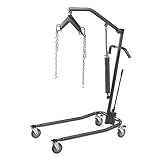 Drive Medical Hydraulic Patient Lift
A full lift is what makes one person able to manage a transfer alone. It is the single purchase that most often delays a move into residential care.
Check price on Amazon → EZ-ACCESS Singlefold Wheelchair Ramp, 6 ft
Folds like a suitcase and carries in a car boot, so the same ramp handles the front step at home and the kerb at an appointment.
Check price on Amazon → Drive Medical Nitro Rollator with Seat
The seat matters more than the wheels. Being able to stop and rest is what decides whether someone still goes out at all.
Check price on Amazon → Vive Stand Assist Rail for Couch or Chair
Getting out of a low sofa is where most falls at home start. This is the cheapest thing on the list and often the first one needed.
Check price on Amazon →As an Amazon Associate we earn from qualifying purchases, at no extra cost to you. Researched guidance, not medical advice. Prices change, so check before buying.
Downsizing: A Lifetime in One Room
What to Bring
- Familiar furniture: Their chair, small table, bedside stand
- Personal items: Photos, art they love, comfort objects
- Clothing: Comfortable, easy-on clothes; enough for 2 weeks
- Bedding: Their own pillows, favorite blanket
- Toiletries: Products they know and use
- Something that smells like home: A pillow, blanket, or item with familiar scent
What to Leave Behind
- Valuables that could be lost or stolen
- Large furniture that won't fit
- Items that require management (houseplants they can't care for)
- Hazardous items if dementia is a factor
Managing the Emotional Side of Downsizing
- Start early, don't do it all in one day
- Let them be part of decisions when possible
- Take photos of items they can't keep
- Pass meaningful items to family now if they want to see that
- Consider hiring a senior move manager for larger estates
Moving Day
Making It Easier
- Set up the room first: Have it ready when they arrive
- Make it familiar: Arrange items like their old room when possible
- Stay calm: Your anxiety makes theirs worse
- Don't sneak away: Say a clear goodbye when you leave
- Keep the first day low-key: Help them settle, no big tours
- Bring something comforting: Favorite snacks, music, photos
When to Leave
This is counterintuitive, but staying too long can make adjustment harder. After helping them settle:
- Say goodbye warmly but briefly
- Tell them when you'll be back (and follow through)
- Trust the staff to help them adjust
- Resist the urge to "rescue" them if they're tearful
The facility staff have helped many residents transition. They know how to redirect, comfort, and engage new residents. Let them do their job, and don't assume you know better. Check in with staff about how your parent is doing when you're not there.
The First Weeks: What to Expect
Common Reactions
- Sadness and grief: Crying, withdrawal, saying they want to go home
- Anger: At you, at the situation, at staff
- Anxiety: New environment, new people, new routines
- Confusion: Especially if dementia is involved
- Manipulation: "If you loved me, you'd take me home"
- Depression: Loss of home, possessions, independence
What Helps
- Visit regularly: But not constantly, they need to build new relationships
- Be consistent: Same days and times when possible
- Encourage participation: Ask about activities, meals, people they've met
- Personalize the space: Add photos, bring familiar items
- Meet the staff: Build relationships with caregivers
- Give it time: Most adjustment issues resolve in 3-6 months
What Doesn't Help
- Visiting too much (prevents them from settling in)
- Promising to bring them home
- Feeding their complaints without perspective
- Criticizing the facility in front of them
- Making major decisions in the first month
The calls asking to come home are heartbreaking. Listen with empathy, but don't give false hope if the move is permanent. "I know this is hard. I wish things were different. But this is where you can be safe." Then redirect: "Tell me about dinner tonight."
When to Be Concerned
Most adjustment issues are normal. But contact the facility or their doctor if you see:
- Significant weight loss or refusing to eat
- Severe depression that isn't improving
- New or worsening confusion beyond what's expected
- Signs of neglect or mistreatment
- Isolation continuing past the first month
- Physical symptoms like falls, skin breakdown, or illness
Managing Your Own Feelings
Guilt
Almost every family caregiver feels guilty about placement. Remember:
- You made this decision for their safety
- You're still their caregiver, just with help
- Professional care doesn't mean you failed
- Most families wait too long, not too early
Grief
You may be grieving the parent you knew, their home, or the relationship you had. This is normal. Consider talking to a therapist or joining a caregiver support group.
Relief
Feeling relieved doesn't make you a bad person. Caregiving is exhausting. Relief and love can coexist.
Plan the Transition
Our Assisted Living Tour Checklist and Move Planning Guide help you prepare for this transition.
Get the Complete Caregiver Kit- Adjustment typically takes 3-6 months, the first weeks are hardest
- Involve them in the move when possible; keep it simple for dementia
- Make the room familiar with personal items and photos
- Don't stay too long on moving day, let them settle in
- Visit regularly but not constantly, they need to build new relationships
- Expect sadness, anger, and manipulation, these usually pass
- Your guilt is normal but doesn't mean you made the wrong choice
- Contact staff or doctors if you see signs of concerning decline