Oral health impacts far more than just teeth. Poor oral care in elderly parents can lead to pneumonia, heart disease complications, difficulty eating, and infections. Yet it's often neglected, especially when parents have dementia or need help with personal care. Here's how to maintain your parent's oral health.
Bacteria from poor oral hygiene can be aspirated into the lungs, causing aspiration pneumonia, a leading cause of death in elderly with swallowing difficulties. Good oral care is healthcare, not just hygiene.
Daily Oral Care for Natural Teeth
Brushing Assistance
Position Properly
Have them sit upright (prevents choking). Stand beside or behind them if helping. For bed-bound parents, elevate head at least 30 degrees.
Use the Right Tools
Soft-bristled brush (firm bristles damage receding gums). Electric toothbrushes are easier and more effective for those with limited dexterity.
Brush All Surfaces
Outside, inside, and chewing surfaces of all teeth. Angle toward the gumline at 45 degrees. Gentle circular motions. Two minutes minimum.
Don't Forget the Tongue
Bacteria accumulate on the tongue and cause bad breath. Gently brush or use a tongue scraper.
Adaptive Tools for Limited Mobility
- Built-up handle brushes: Easier grip for arthritis or weak hands
- Electric toothbrushes: Do the work for them; many have timers
- Toothbrush handle grips: Foam or rubber add-ons that make any brush easier to hold
- Three-sided toothbrushes: Clean all surfaces simultaneously
- Suction denture brushes: Mount to sink for one-handed use
If they resist help, try placing your hand over theirs while they hold the brush. Guide their movements gently. This preserves their sense of control while ensuring proper brushing.
Flossing and Alternatives
Flossing is often abandoned in elderly care, but cleaning between teeth matters:
- Floss picks: Easier than string floss; can be used one-handed
- Water flossers: Effective and easier for many seniors; can help with bridges and implants
- Interdental brushes: Small brushes that fit between teeth
- Mouthwash: Not a replacement for brushing, but adds antibacterial action
The equipment that changes the most
Most of what caregiving costs is time. These four are the purchases that reliably buy some of it back, and they are the ones families tell us they wish they had bought sooner.
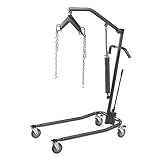 Drive Medical Hydraulic Patient Lift
A full lift is what makes one person able to manage a transfer alone. It is the single purchase that most often delays a move into residential care.
Check price on Amazon →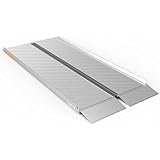 EZ-ACCESS Singlefold Wheelchair Ramp, 6 ft
Folds like a suitcase and carries in a car boot, so the same ramp handles the front step at home and the kerb at an appointment.
Check price on Amazon → Drive Medical Nitro Rollator with Seat
The seat matters more than the wheels. Being able to stop and rest is what decides whether someone still goes out at all.
Check price on Amazon → Vive Stand Assist Rail for Couch or Chair
Getting out of a low sofa is where most falls at home start. This is the cheapest thing on the list and often the first one needed.
Check price on Amazon →As an Amazon Associate we earn from qualifying purchases, at no extra cost to you. Researched guidance, not medical advice. Prices change, so check before buying.
Denture Care
More than half of adults over 65 have some dentures. Proper care prevents infections, odor, and mouth sores.
Daily Denture Routine
Remove and Rinse After Eating
Food particles trapped under dentures cause irritation and bacterial growth. A quick rinse after meals helps.
Brush Dentures Daily
Use a soft denture brush (not regular toothbrush) with denture cleaner or mild soap. Never use toothpaste, it's too abrasive and scratches dentures.
Clean the Mouth Too
Brush gums, tongue, and palate with a soft brush or damp cloth. This removes bacteria and stimulates circulation.
Soak Overnight
Dentures should come out at night to let gums rest. Soak in water or denture solution (keep moist, they warp if dried out).
Wearing dentures 24/7 doubles the risk of pneumonia in elderly. Gums need rest, and overnight bacterial buildup is significant. Make removing dentures at night a firm rule.
Common Denture Problems
Loose Dentures
Bone and gum loss over time causes dentures to fit poorly. Signs: slipping when eating/talking, sore spots. Solution: Dentures need relining or replacement every 5-7 years. Don't rely on adhesive to fix poor fit, see a dentist.
Mouth Sores
Sores under dentures may indicate poor fit, infection (like candida/thrush), or insufficient cleaning. Remove dentures for periods during the day. See a dentist if sores don't heal in 1-2 weeks.
Denture Stomatitis (Thrush)
Fungal infection appears as redness under dentures, sometimes with white patches. Common in those who sleep in dentures. Requires antifungal treatment and improved denture hygiene.
Managing Dry Mouth (Xerostomia)
Dry mouth affects over 30% of elderly, usually due to medications. It dramatically increases decay, infections, and difficulty eating.
Causes of Dry Mouth
- Medications: Antihistamines, blood pressure meds, antidepressants, Parkinson's drugs, diuretics, and many others
- Medical conditions: Diabetes, Sjögren's syndrome, stroke, radiation therapy
- Dehydration: Common in elderly who don't drink enough
- Mouth breathing: Often during sleep
Treating Dry Mouth
Hydration
- Small sips of water throughout day
- Water with meals aids swallowing
- Avoid caffeine and alcohol (dehydrating)
- Humidifier in bedroom at night
Stimulating Saliva
- Sugar-free gum or candies
- Xylitol mints (also prevent decay)
- Sour flavors stimulate production
- Prescription saliva stimulants if severe
Oral Products
- Biotene products (rinse, gel, spray)
- Artificial saliva sprays
- Moisturizing mouth gels
- Alcohol-free mouthwash only
Preventing Decay
- Prescription fluoride toothpaste
- More frequent dental visits
- Avoid sugary/acidic foods
- Fluoride rinses
Oral Care with Dementia
As dementia progresses, oral care becomes increasingly difficult but remains critically important.
Early to Mid-Stage
- Establish a consistent daily routine, same time, same place
- Give simple one-step instructions: "Open your mouth" then "Now brush"
- Hand them the toothbrush, muscle memory may kick in
- Use hand-over-hand guidance if needed
- Mirror brushing, brush your teeth alongside them
Late Stage
- They may refuse to open mouth, gently touch lips, wait, try later
- Use a small-headed, extra-soft brush
- Mouth swabs with mouthwash for resistant patients
- Never force, this causes fear and resistance
- A singing toothbrush or familiar music may help cooperation
Be careful with fingers near the mouth, dementia patients may bite involuntarily. Bite blocks or padded mouth props can protect you while allowing access to teeth.
Finding Dental Care
Getting to the Dentist
Many elderly stop seeing dentists due to mobility issues or cost:
- Mobile dentists: Some dentists make house calls for homebound patients
- Dental schools: Reduced-cost care from supervised students
- Community health centers: Sliding-scale dental care
- Medicaid dental: Coverage varies by state, some cover extractions and dentures
- Medicare: Does NOT cover routine dental (a major gap)
- Medicare Advantage: Many plans include basic dental
When to See a Dentist
- Routine cleanings every 6 months (more often with gum disease or dry mouth)
- Any tooth pain or sensitivity
- Red, swollen, or bleeding gums
- Loose teeth
- Mouth sores lasting more than 2 weeks
- Difficulty chewing or swallowing
- Ill-fitting dentures
Risk increases with age. Look for: white or red patches, sores that don't heal, lumps or thickening, difficulty swallowing, hoarseness. Report any changes to the dentist promptly.
Quick Daily Checklist
- Brush teeth twice daily (morning and before bed)
- Clean between teeth with floss, picks, or water flosser
- Brush or wipe gums, tongue, and roof of mouth
- Rinse and brush dentures after meals
- Remove dentures at night and soak
- Offer water throughout the day
- Check mouth for sores, redness, or changes weekly
Get the Complete Care Binder
Track medications, appointments, and daily care tasks including oral hygiene routines, all in one organized system.
Explore Caregiver Resources