Understanding Pacemakers in Elderly Adults
More than 3 million Americans have pacemakers, with the majority implanted in adults over 65. These small devices monitor heart rhythm and deliver electrical pulses when the heart beats too slowly, helping maintain adequate blood flow throughout the body.
Modern pacemakers are remarkably reliable, but caregivers play a vital role in ensuring the device functions properly and watching for signs of problems. With proper care and attention, most pacemaker recipients live normal, active lives for many years.
Your parent should have received a pacemaker ID card with device details, including manufacturer, model, and implant date. Ensure this card is kept in their wallet at all times and that you have a copy. This information is critical for emergency medical personnel and airport security.
The equipment that changes the most
Most of what caregiving costs is time. These four are the purchases that reliably buy some of it back, and they are the ones families tell us they wish they had bought sooner.
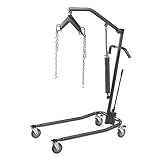 Drive Medical Hydraulic Patient Lift
A full lift is what makes one person able to manage a transfer alone. It is the single purchase that most often delays a move into residential care.
Check price on Amazon →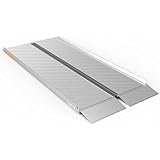 EZ-ACCESS Singlefold Wheelchair Ramp, 6 ft
Folds like a suitcase and carries in a car boot, so the same ramp handles the front step at home and the kerb at an appointment.
Check price on Amazon → Drive Medical Nitro Rollator with Seat
The seat matters more than the wheels. Being able to stop and rest is what decides whether someone still goes out at all.
Check price on Amazon → Vive Stand Assist Rail for Couch or Chair
Getting out of a low sofa is where most falls at home start. This is the cheapest thing on the list and often the first one needed.
Check price on Amazon →As an Amazon Associate we earn from qualifying purchases, at no extra cost to you. Researched guidance, not medical advice. Prices change, so check before buying.
Types of Cardiac Devices
Understanding what type of device your parent has helps you provide better care:
Single-Chamber Pacemaker
Uses one lead connected to either the right atrium or right ventricle. Most common for specific rhythm problems like sick sinus syndrome or simple heart block.
Dual-Chamber Pacemaker
Has leads in both the atrium and ventricle, allowing more natural coordination between heart chambers. Better mimics normal heart rhythm.
Biventricular Pacemaker (CRT)
Cardiac resynchronization therapy with three leads, coordinates both ventricles for people with heart failure and electrical conduction problems.
ICD (Implantable Cardioverter-Defibrillator)
Functions as a pacemaker but can also deliver stronger shocks to stop dangerous heart rhythms. Requires additional precautions and monitoring.
While pacemakers treat slow heart rhythms, ICDs primarily protect against dangerously fast rhythms that could cause sudden cardiac arrest. ICDs can deliver a strong shock that the person will feel. If your parent has an ICD and receives a shock, contact the cardiologist even if they feel fine afterward.
The Implant Site: Daily Care
The pacemaker is typically implanted just under the skin below the collarbone. Proper care of this area is essential:
Incision Healing (First 4-6 Weeks)
- Keep the incision dry for the first week; sponge baths only
- No raising the arm on the implant side above shoulder level
- No lifting more than 5-10 pounds with that arm
- Watch for infection signs: increasing redness, swelling, warmth, drainage, or fever
- Avoid tight clothing or bra straps that rub the incision
Long-Term Care
- The device will create a visible small bump under the skin, this is normal
- Avoid direct trauma to the area (car seatbelts can be padded if uncomfortable)
- Report any new swelling, skin changes, or device movement to the cardiologist
- Some skin erosion over the device can occur years later, contact the doctor if skin appears thin or discolored
Movement restrictions are most important in the first 4-6 weeks while the leads settle into heart tissue. Raising the arm too high or making repetitive reaching motions can dislodge leads. After the healing period, most normal activities can resume, but always confirm with the cardiologist.
Device Monitoring and Check-Ups
Pacemakers require regular monitoring to ensure proper function and track battery life:
In-Office Checks
Usually scheduled every 6-12 months. A technician places a programmer over the device to:
- Verify the device is functioning correctly
- Check battery status and estimate remaining life
- Review stored data about heart rhythm events
- Adjust settings if needed
- Check lead function and thresholds
Remote Monitoring
Most modern pacemakers can transmit data from home using a small bedside monitor:
- Transmissions typically occur automatically at night while sleeping
- Reduces the need for frequent office visits
- Allows earlier detection of problems or rhythm changes
- The monitor must remain plugged in and near the bed
- Ensure your parent's phone line or internet connection is working for transmissions
Studies show remote monitoring catches problems 17-34 days earlier than scheduled office visits alone. This earlier detection can prevent hospitalizations and improve outcomes, making it worth the effort to keep the home monitor set up properly.
Battery Life and Replacement
Pacemaker batteries typically last 8-15 years, depending on how often the device activates and the programming settings. When the battery reaches a certain threshold (called ERI or elective replacement indicator), a generator replacement surgery is scheduled. This is usually a simpler procedure than the original implant since the leads often don't need replacement.
Electromagnetic Interference: What to Avoid
Modern pacemakers are well-shielded, but certain devices and situations can potentially interfere with function:
| Source | Risk Level | Guidance |
|---|---|---|
| Cell phones | Low | Keep 6+ inches from pacemaker; use ear opposite implant side |
| Household appliances | Very low | Microwaves, TVs, and appliances are safe |
| Security gates (stores) | Low | Walk through normally; don't linger |
| Airport security | Low-Medium | Show ID card; hand-wand okay; avoid body scanners if possible |
| MRI machines | High* | *Some newer devices are MRI-conditional, verify with cardiologist |
| Power tools | Low-Medium | Brief use usually fine; keep away from chest |
| Arc welding | High | Avoid or keep significant distance |
| Large magnets | High | Avoid magnetic jewelry and industrial magnets near device |
| TENS units | Medium-High | Generally avoid; discuss with cardiologist if needed |
Always inform ALL healthcare providers about the pacemaker before any medical procedure, including dental work, surgery, and diagnostic tests. MRI machines, certain cancer treatments (radiation), electrocautery during surgery, and lithotripsy can all affect pacemaker function. The device may need special programming before and after procedures.
Daily Life With a Pacemaker
Exercise and Activity
After the initial healing period, most activities are safe and encouraged:
- Walking, swimming, golf, light gardening: all usually fine
- Avoid contact sports that could damage the device
- Shooting sports: rifle recoil on implant side can damage leads
- Some gyms may have electrical muscle stimulation equipment to avoid
- The pacemaker has rate-response features that increase heart rate with activity
Driving
Most pacemaker recipients can resume driving after a short waiting period (usually 1-2 weeks for pacemakers; longer for ICDs). Check with the cardiologist and be aware that some states have specific requirements. Commercial driving licenses may have additional restrictions.
Sleep Position
After initial healing, any sleep position is usually comfortable. Some people prefer not to sleep directly on the implant side for comfort reasons. This is a personal preference, not a medical requirement.
Traveling
- Carry the device ID card at all times
- Inform TSA about the device before screening
- Request hand-screening instead of full-body scanners if preferred
- Know the location of cardiac facilities at your destination
- Carry a list of current medications and cardiologist contact information
Most countries accept pacemaker ID cards, but procedures vary. Research security protocols for your destination. Consider bringing printed device information in the local language. Ensure travel insurance covers any potential device-related issues.
Warning Signs to Watch For
Contact the cardiologist or seek care if your parent experiences:
Device-Related Concerns
- Hiccups or muscle twitching (may indicate lead problems)
- Visible device movement or twisting
- Swelling, redness, or warmth at the implant site
- Skin erosion or the device seeming to push through skin
- Pain at the implant site that develops weeks to months after surgery
Symptoms of Possible Malfunction
- Return of symptoms that led to pacemaker (dizziness, fainting, fatigue)
- Very slow pulse (below the programmed lower rate)
- Pounding or racing heart sensations
- Shortness of breath, especially if worsening
- Unexplained fatigue or weakness
- Swelling in legs, ankles, or abdomen (may indicate heart failure progression)
Call 911 immediately for: chest pain, severe shortness of breath, fainting or near-fainting, or if an ICD delivers multiple shocks. Also seek emergency care for signs of stroke (face drooping, arm weakness, speech difficulty) or signs of infection with fever.
Medications and Pacemakers
Pacemakers work alongside medications, not instead of them. Your parent will likely continue taking:
- Blood thinners: if atrial fibrillation is present or for other conditions
- Beta-blockers or other heart rate medications: the pacemaker prevents heart rate from going too low
- Heart failure medications: if heart failure is present
- Blood pressure medications: pacemakers don't treat blood pressure
Never assume a pacemaker replaces the need for medications. Always consult the cardiologist before stopping or changing any cardiac medications.
Cognitive Changes and Pacemakers
For parents with dementia or cognitive impairment, additional considerations apply:
- They may not remember device restrictions or appointments
- Ensure caregivers in all settings know about the pacemaker
- Place the device ID card in an accessible location
- Consider a medical ID bracelet
- Some patients may pick at the implant site, watch for this behavior
- Discuss end-of-life preferences and device deactivation wishes with the healthcare team
Unlike medications or ventilators, pacemakers don't typically keep someone alive against the natural course of disease. However, deactivation is an option to discuss during advance care planning. If your parent is approaching end-of-life, talk with the palliative care team about whether any device adjustments would improve comfort.
Caregiver Tips for Daily Success
Create a Pacemaker Information File
Keep the following together and accessible:
- Copy of pacemaker ID card
- Cardiologist and device clinic contact information
- Remote monitoring company contact
- Date of implant and any subsequent procedures
- Current device settings (from most recent check)
- Battery status and estimated replacement date
Establish Routines
- Set reminders for remote monitor transmissions if they're not automatic
- Schedule device checks in advance and keep appointments
- Develop a daily pulse check routine (if recommended by doctor)
- Know what your parent's normal resting heart rate is
Communicate With All Providers
- Ensure the pacemaker is listed in all medical records
- Remind every new provider about the device
- Coordinate between the cardiologist and primary care doctor
- Alert dentists before any procedures
Keep Cardiac Care Organized
Track device checks, medications, and appointments with our comprehensive care coordination tools.
Explore Our ResourcesCommon Questions From Caregivers
Can my parent use a microwave?
Yes. Modern microwaves are well-shielded and pose no risk to pacemakers. This is one of the most persistent myths about pacemakers.
What if the pacemaker sets off store security?
Pacemakers rarely trigger security systems, but they can. Simply show the ID card and walk through. Don't linger near security gates.
Can they still get an MRI?
Many newer pacemakers are "MRI-conditional," meaning MRIs can be done under specific conditions. Always verify with the cardiologist before scheduling any MRI. Older devices may not be MRI-safe at all.
What happens if the battery runs out?
Pacemaker batteries don't suddenly stop, they gradually decline, which is detected during routine checks. Replacement is scheduled well before the battery fails. If your parent is overdue for a check, schedule one soon.
Will the pacemaker keep them alive indefinitely?
No. A pacemaker maintains heart rhythm but doesn't prevent death from heart failure, other cardiac problems, or non-cardiac conditions. It helps the heart beat regularly, not more strongly.
What about electric blankets or heating pads?
These are generally safe as long as they're not placed directly over the pacemaker for extended periods. Electric blankets can be used normally.
When to Call the Cardiologist
Keep these situations on your radar:
- Any new symptoms like dizziness, fatigue, or shortness of breath
- Remote monitoring alerts or missed transmissions
- Changes at the implant site
- Questions about new medications or supplements
- Before any medical or dental procedure
- Before starting new exercise programs
- If planning travel, especially international
Remember: the device clinic is there to help. They'd rather answer questions than miss potential problems. Never hesitate to call with concerns.
With proper care and attention, pacemakers enable many elderly adults to maintain active, independent lives. The technology is mature and reliable. Your role as a caregiver is to ensure routine monitoring happens, watch for warning signs, and help your parent live fully while staying safe.