Caring for a Parent with Parkinson's Disease
Parkinson's disease is a progressive neurological condition that affects movement, balance, and eventually many other body functions. As a caregiver, understanding what to expect and how to help at each stage makes an enormous difference in your parent's quality of life, and yours.
While tremor is the most recognized symptom, Parkinson's affects sleep, mood, digestion, thinking, and more. Many of these "non-motor" symptoms are actually harder to manage than the movement issues.
Understanding the Symptoms
Motor Symptoms (Movement)
Tremor
Shaking, usually starting in one hand. Often called "pill-rolling" tremor. Typically worse at rest.
Bradykinesia
Slowness of movement. Simple tasks take longer. Reduced facial expression ("masked face").
Rigidity
Muscle stiffness. Difficulty with range of motion. Can cause pain and discomfort.
Postural Instability
Balance problems. Shuffling walk. Difficulty turning. High fall risk.
Non-Motor Symptoms
- Sleep disturbances: Insomnia, vivid dreams, acting out dreams (REM sleep disorder)
- Constipation: Very common, often severe
- Depression and anxiety: Affects up to 50% of people with Parkinson's
- Cognitive changes: Slower thinking, difficulty multitasking, eventual dementia in some
- Low blood pressure: Dizziness when standing (orthostatic hypotension)
- Swallowing difficulties: Increases choking risk
- Speech changes: Soft, monotone voice; slurred speech
- Fatigue: Overwhelming tiredness
The equipment that changes the most
Most of what caregiving costs is time. These four are the purchases that reliably buy some of it back, and they are the ones families tell us they wish they had bought sooner.
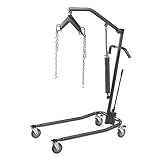 Drive Medical Hydraulic Patient Lift
A full lift is what makes one person able to manage a transfer alone. It is the single purchase that most often delays a move into residential care.
Check price on Amazon →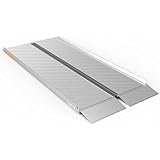 EZ-ACCESS Singlefold Wheelchair Ramp, 6 ft
Folds like a suitcase and carries in a car boot, so the same ramp handles the front step at home and the kerb at an appointment.
Check price on Amazon → Drive Medical Nitro Rollator with Seat
The seat matters more than the wheels. Being able to stop and rest is what decides whether someone still goes out at all.
Check price on Amazon → Vive Stand Assist Rail for Couch or Chair
Getting out of a low sofa is where most falls at home start. This is the cheapest thing on the list and often the first one needed.
Check price on Amazon →As an Amazon Associate we earn from qualifying purchases, at no extra cost to you. Researched guidance, not medical advice. Prices change, so check before buying.
Stages of Parkinson's Disease
Stage 1: Early
What you'll see: Mild symptoms, usually on one side of the body. Tremor, slight changes in posture or walking.
Your role: Encourage exercise, help with medication management, accompany to doctor appointments. Independence is still high.
Stage 2: Moderate
What you'll see: Symptoms on both sides. Walking and balance affected. Daily tasks take longer.
Your role: Help with home safety modifications, consider physical therapy referral, monitor for falls.
Stage 3: Mid-Stage
What you'll see: Significant slowing. Balance impaired. Falls more common. Still independent for basic self-care.
Your role: Increase supervision, help with complex tasks, ensure home is safe. May need part-time assistance.
Stage 4: Advanced
What you'll see: Severe symptoms. Cannot live alone safely. May still walk with assistance.
Your role: Full-time care needed. Help with all daily activities. Consider in-home care or facility placement.
Stage 5: End-Stage
What you'll see: May be bedridden or wheelchair-bound. Cognitive decline common. Swallowing very difficult.
Your role: 24/7 care required. Focus on comfort and quality of life. Palliative or hospice care appropriate.
Some people stay in early stages for years; others progress faster. Medications can significantly improve quality of life, especially in earlier stages.
Medication Management
Parkinson's medications are critically important and complex:
Key Medications
- Levodopa/Carbidopa (Sinemet): The gold standard. Converts to dopamine in the brain.
- Dopamine agonists: Mimic dopamine (Pramipexole, Ropinirole)
- MAO-B inhibitors: Help prevent dopamine breakdown
- COMT inhibitors: Extend levodopa's effect
Parkinson's medications must be taken on a precise schedule. Being even 30 minutes late can cause symptoms to worsen dramatically. Set multiple alarms and never miss doses.
Medication Challenges
- "On/Off" fluctuations: Medications work, then wear off before next dose
- Dyskinesia: Involuntary movements from too much medication
- Protein interference: High-protein meals can reduce levodopa absorption
- Hallucinations: Some medications can cause visual hallucinations
Fall Prevention
Falls are the #1 injury concern for Parkinson's patients:
Home Safety Essentials
- Remove all throw rugs and clutter
- Install grab bars in bathroom
- Ensure excellent lighting, especially at night
- Consider a hospital bed for easier transfers
- Use a shower chair and handheld showerhead
- Remove wheels from office chairs
- Tape down all cords
Movement Strategies
- Cueing: Use visual (tape lines on floor) or auditory (metronome) cues to help initiate walking
- Wide turns: Avoid pivoting, take wide, gradual turns
- Marching: Exaggerate steps to prevent shuffling
- Freezing: If feet freeze, try stepping over an imaginary line or shifting weight side to side
Daily Care Tips
Eating and Swallowing
- Serve small, frequent meals
- Soft foods are easier to swallow
- Sit upright during and after meals
- Avoid straws (can cause aspiration)
- Thickened liquids if swallowing is very difficult
- Consider speech therapy for swallowing evaluation
Dressing
- Velcro closures instead of buttons
- Elastic waistbands
- Slip-on shoes with good grip
- Dress while sitting
- Allow extra time, don't rush
Sleep
- Keep consistent sleep schedule
- Satin sheets help with turning in bed
- Bed rails may help with repositioning
- Address REM sleep behavior disorder with doctor
- Overnight caregiving may be needed in later stages
Exercise and Therapy
Exercise is one of the most important things for Parkinson's patients:
- Physical therapy: Improves mobility, balance, and strength
- Speech therapy: LSVT LOUD program specifically helps Parkinson's speech
- Occupational therapy: Adaptive strategies for daily tasks
- Boxing or dance: Parkinson's-specific programs show significant benefits
- Walking: Regular walking helps maintain mobility
Research shows that high-intensity exercise may actually slow Parkinson's progression. Encourage as much activity as safely possible.
Cognitive and Emotional Support
- Depression: Very common, talk to doctor about treatment
- Apathy: May look like depression but is different, reduced motivation and interest
- Anxiety: Often appears before motor symptoms
- Cognitive changes: May need cognitive testing over time
- Support groups: Beneficial for both patient and caregiver
When to Seek Help
- Any fall, especially hitting head
- Sudden worsening of symptoms
- Hallucinations (especially if distressing)
- Severe "off" periods
- Fever (can dramatically worsen symptoms)
- Difficulty swallowing or choking episodes
- Signs of infection (UTI can cause sudden decline)
Care Needs Assessment
Evaluate your parent's current care level and what support they need.
Take Assessment