Pressure Ulcers (Bedsores): Prevention & Treatment
Pressure ulcers, also called bedsores or pressure injuries, are serious wounds that develop when skin and tissue are damaged from prolonged pressure. They're one of the most common complications for elderly adults with limited mobility, and they can become life-threatening if not treated properly.
The good news: most pressure ulcers are preventable with proper care.
A pressure ulcer can develop in just 2-6 hours of unrelieved pressure. Once formed, healing takes weeks to months, and advanced ulcers may never fully heal. Prevention is far easier than treatment.
Stages of Pressure Ulcers
Stage 1: Early Warning
What it looks like: Red area that doesn't turn white when pressed. May feel warmer, cooler, firmer, or softer than surrounding skin. On darker skin, may appear purple or ashen.
What to do: Remove pressure immediately. Keep area clean and dry. Check frequently. Usually heals in 2-3 days if pressure is relieved.
Stage 2: Partial Skin Loss
What it looks like: Shallow open wound with red-pink wound bed. May look like a blister (intact or ruptured). Painful.
What to do: Keep clean, apply appropriate dressing, relieve pressure. Contact doctor. Heals in 1-3 weeks with proper care.
Stage 3: Full Skin Loss
What it looks like: Deep crater-like wound. Fat may be visible. Bone, tendon, and muscle are NOT visible. May have some dead tissue (slough).
What to do: Requires medical treatment. May need special dressings, debridement (removing dead tissue), or wound care nurse. Healing takes months.
Stage 4: Deep Tissue Damage
What it looks like: Large, deep wound exposing bone, muscle, or tendon. May have significant dead tissue. High risk of infection.
What to do: Medical emergency. May require surgery, hospitalization, IV antibiotics. Can be life-threatening. Healing takes many months if at all.
The equipment that changes the most
Most of what caregiving costs is time. These four are the purchases that reliably buy some of it back, and they are the ones families tell us they wish they had bought sooner.
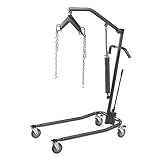 Drive Medical Hydraulic Patient Lift
A full lift is what makes one person able to manage a transfer alone. It is the single purchase that most often delays a move into residential care.
Check price on Amazon →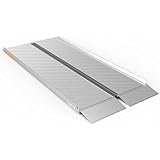 EZ-ACCESS Singlefold Wheelchair Ramp, 6 ft
Folds like a suitcase and carries in a car boot, so the same ramp handles the front step at home and the kerb at an appointment.
Check price on Amazon → Drive Medical Nitro Rollator with Seat
The seat matters more than the wheels. Being able to stop and rest is what decides whether someone still goes out at all.
Check price on Amazon → Vive Stand Assist Rail for Couch or Chair
Getting out of a low sofa is where most falls at home start. This is the cheapest thing on the list and often the first one needed.
Check price on Amazon →As an Amazon Associate we earn from qualifying purchases, at no extra cost to you. Researched guidance, not medical advice. Prices change, so check before buying.
Where Pressure Ulcers Develop
Ulcers form over bony areas where pressure concentrates:
Back of Head
When lying on back
Ears
When lying on side
Shoulders
Shoulder blades when on back
Elbows
From resting on arms
Lower Back/Sacrum
MOST COMMON site
Hips
When lying on side
Tailbone
When sitting or lying
Heels
Very common, hard to heal
Prevention: The 2-Hour Rule
The cornerstone of prevention is regular repositioning:
For Bedridden Patients
- Turn every 2 hours if in bed (even at night)
- Use a turning schedule: Back → Right side → Back → Left side
- 30-degree tilt: Don't lie directly on hip, tilt at 30 degrees
- Float heels: Use pillows to keep heels off mattress
- Don't drag: Lift when repositioning to avoid friction
For Wheelchair Users
- Shift weight every 15-30 minutes
- Use pressure-redistributing cushion
- Limit sitting time: Return to bed for pressure relief
- Proper fit: Wheelchair should be properly fitted
Prevention Equipment
- Pressure-redistributing mattress: Foam, air, or alternating pressure
- Heel protectors: Float heels off bed
- Wheelchair cushion: Gel, foam, or air
- Positioning pillows: Wedges and support pillows
- Draw sheet: For turning without dragging
- Trapeze bar: Helps patient reposition themselves
Skin Care
- Keep skin clean and dry: Change incontinence products promptly
- Use moisture barrier: Zinc oxide cream protects from urine/stool
- Don't use harsh soaps: Use gentle, pH-balanced cleansers
- Pat dry: Don't rub
- Moisturize dry skin: But not between toes
- Daily skin checks: Look at all high-risk areas every day
Pressure: Prolonged pressure on one area. Friction: Skin rubbing against surfaces. Shear: Skin moving one way while bone moves another (like sliding down in bed). Moisture: Wet skin is more vulnerable.
Nutrition for Healing
Proper nutrition is essential for prevention and healing:
- Protein: Critical for tissue repair (30-35% of calories)
- Calories: Need adequate calories to heal
- Vitamin C: For collagen production
- Zinc: For wound healing
- Fluids: Adequate hydration keeps skin healthy
Ask the doctor about nutritional supplements if your parent isn't eating well.
When to Call the Doctor
- Any new area of redness that doesn't go away after 30 minutes of pressure relief
- Open wounds or blisters
- Signs of infection: increasing redness, warmth, swelling, pus, odor, fever
- Wound is getting larger or deeper
- Black or dark tissue (dead tissue)
- Wound not healing after 2-4 weeks of proper care
Treatment Overview
Treatment depends on stage:
- Pressure relief: The foundation of all treatment
- Wound cleaning: Saline rinse, gentle cleansing
- Debridement: Removing dead tissue (by healthcare professional)
- Dressings: Many types, foam, hydrocolloid, alginate, silver
- Infection treatment: Topical or systemic antibiotics if infected
- Surgery: For severe stage 3-4 ulcers
If Your Parent Is in a Facility
- Ask about their pressure ulcer prevention protocol
- Check that turning is being done (ask to see turning records)
- Inspect skin during visits
- Report any concerns immediately
- A pressure ulcer developing in a facility may indicate inadequate care