Nursing Home Neglect: Warning Signs & What to Do
You trusted a nursing home to care for your parent. But something seems wrong. They've lost weight. They have unexplained bruises. They seem afraid. How do you know if your concerns are valid, and what can you do?
If your parent is in immediate danger, call 911. For suspected abuse or neglect, contact Adult Protective Services and your state's Long-Term Care Ombudsman. Document everything with photos and notes.
Types of Nursing Home Neglect and Abuse
Physical Neglect
Failure to provide basic care: inadequate food, water, or hygiene; not turning bedridden patients (leading to bedsores); not helping with toileting; leaving patients in soiled clothes; inadequate supervision leading to falls.
Medical Neglect
Failing to give medications on time or at all; ignoring medical conditions; not following care plans; not calling doctor when needed; inadequate wound care; overuse of sedatives to manage patients.
Physical Abuse
Hitting, pushing, rough handling, improper use of restraints, force-feeding, or any physical harm.
Emotional/Psychological Abuse
Yelling, threatening, humiliating, isolating, ignoring, or intimidating residents.
Financial Exploitation
Stealing money or belongings, forging signatures, charging for services not provided.
Sexual Abuse
Any unwanted sexual contact or behavior.
The equipment that changes the most
Most of what caregiving costs is time. These four are the purchases that reliably buy some of it back, and they are the ones families tell us they wish they had bought sooner.
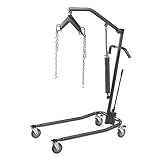 Drive Medical Hydraulic Patient Lift
A full lift is what makes one person able to manage a transfer alone. It is the single purchase that most often delays a move into residential care.
Check price on Amazon → EZ-ACCESS Singlefold Wheelchair Ramp, 6 ft
Folds like a suitcase and carries in a car boot, so the same ramp handles the front step at home and the kerb at an appointment.
Check price on Amazon → Drive Medical Nitro Rollator with Seat
The seat matters more than the wheels. Being able to stop and rest is what decides whether someone still goes out at all.
Check price on Amazon → Vive Stand Assist Rail for Couch or Chair
Getting out of a low sofa is where most falls at home start. This is the cheapest thing on the list and often the first one needed.
Check price on Amazon →As an Amazon Associate we earn from qualifying purchases, at no extra cost to you. Researched guidance, not medical advice. Prices change, so check before buying.
Warning Signs to Watch For
Physical Signs
- Unexplained bruises, cuts, burns, or injuries
- Bedsores (pressure ulcers), especially advanced ones
- Significant weight loss or dehydration
- Poor hygiene, dirty clothes, unwashed hair
- Frequent infections, especially UTIs
- Medication errors or missed doses
- Unsanitary room conditions
- Broken glasses, mobility aids, or missing dentures
Behavioral Signs
- Fearfulness, especially around certain staff
- Withdrawal, depression, or sudden mood changes
- Agitation or anxiety that's new
- Reluctance to speak openly
- Saying things like "I can't say" or looking at staff nervously
- Unexplained STIs or genital injuries
Environmental Signs
- Call lights going unanswered for long periods
- Strong odor of urine or feces
- Understaffing (not enough workers visible)
- High staff turnover
- Dirty or poorly maintained common areas
- Residents left alone for long periods
If something feels wrong, investigate. Don't dismiss concerns because "it's a nice facility." Problems can happen anywhere. Your parent may be afraid or unable to tell you directly.
What to Do If You Suspect Neglect
Step 1: Document Everything
- Take photos of injuries, conditions, and environment
- Note dates, times, and what you observed
- Write down what your parent or staff said
- Keep copies of medical records and care plans
- Save emails and communication with facility
Step 2: Talk to Staff and Management
- Start with direct care staff if appropriate
- Escalate to nursing director or administrator
- Be specific about your concerns
- Request a care plan meeting
- Follow up conversations with written summaries
Step 3: File Official Complaints
- State Health Department: Licenses and inspects nursing homes
- Long-Term Care Ombudsman: Advocates for residents (find at ltcombudsman.org)
- Adult Protective Services: Investigates abuse and neglect
- CMS (Centers for Medicare & Medicaid Services): For Medicare/Medicaid certified facilities
Step 4: Consider Legal Action
- Consult a nursing home abuse attorney
- Many offer free consultations
- You may be entitled to compensation
- Legal action can force facilities to improve
Step 5: Consider Moving Your Parent
- If problems persist, moving may be necessary
- You have the right to transfer facilities
- Don't let fear of change prevent protecting them
- Document reasons for transfer
How to Report
Long-Term Care Ombudsman
Every state has an ombudsman program that advocates for nursing home residents. They can:
- Investigate complaints
- Mediate disputes
- Inform you of your rights
- Help resolve issues without legal action
Find your state's ombudsman at ltcombudsman.org or call the Eldercare Locator: 1-800-677-1116
State Survey Agency
Each state has an agency that inspects nursing homes and can investigate complaints. Search "[your state] nursing home complaint" to find the right agency.
Adult Protective Services
APS investigates abuse, neglect, and exploitation of vulnerable adults. Find your local APS at napsa-now.org
Resident Rights
Federal law guarantees nursing home residents the right to:
- Be treated with dignity and respect
- Be free from abuse, neglect, and exploitation
- Be free from unnecessary physical or chemical restraints
- Participate in their own care planning
- Privacy
- Voice grievances without retaliation
- Be fully informed about their care and condition
- Manage their own finances (or have a proper accounting)
- Have visitors
- Leave the facility if they wish
Prevention: Staying Vigilant
- Visit often and at different times: Including evenings and weekends
- Get to know staff: And notice turnover
- Attend care plan meetings: Stay involved in decisions
- Check inspection reports: Available at Medicare.gov/care-compare
- Talk to other families: They may share concerns
- Encourage your parent to speak up: And assure them they won't face retaliation
Facility Comparison Tool
Compare nursing home ratings, inspection results, and staffing levels before choosing a facility.
Compare Facilities