Driving represents independence, freedom, and adulthood. Taking away the keys feels like taking away all of that. But an elderly driver with impaired abilities is dangerous, not just to themselves, but to passengers, other drivers, and pedestrians.
This is one of the hardest conversations you'll have with your parent. Here's how to know when it's time, and how to approach it.
Drivers 85+ have the highest fatal crash rate per mile driven. Drivers with dementia are 2-8 times more likely to crash. An unsafe driver isn't just risking their own life, they're risking others. Sometimes love means doing the hard thing.
Warning Signs of Unsafe Driving
Look for These Red Flags
- New dents, scrapes, or damage to the car
- Getting lost in familiar areas
- Running stop signs or red lights
- Difficulty staying in lane or drifting
- Slow reaction times
- Trouble with left turns (crossing traffic)
- Near misses that didn't used to happen
- Other drivers honking frequently
- Traffic tickets or warnings
- Driving too slowly (can be as dangerous as too fast)
- Confusing the gas and brake pedals
- Getting anxious or exhausted from driving
- Avoiding highways, night driving, or unfamiliar areas
Conditions That Impair Driving
- Dementia: Any dementia diagnosis should trigger driving evaluation; most people with dementia should stop driving within 3 years of diagnosis
- Vision problems: Cataracts, macular degeneration, glaucoma
- Hearing loss: Can't hear sirens, horns, or warning sounds
- Medications: Many cause drowsiness or slow reaction time
- Arthritis: Difficulty turning head, gripping wheel, moving pedals
- Parkinson's: Slowed movements, rigidity, freezing
- Stroke: Weakness, vision problems, cognitive changes
- Diabetes: Vision changes, neuropathy, hypoglycemia risk
Some seniors recognize their limitations and self-restrict: only driving familiar routes, avoiding night driving, not driving in bad weather. While this shows awareness, it's often a sign that driving cessation is approaching. Monitor closely.
The equipment that changes the most
Most of what caregiving costs is time. These four are the purchases that reliably buy some of it back, and they are the ones families tell us they wish they had bought sooner.
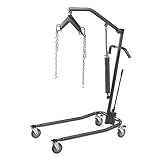 Drive Medical Hydraulic Patient Lift
A full lift is what makes one person able to manage a transfer alone. It is the single purchase that most often delays a move into residential care.
Check price on Amazon →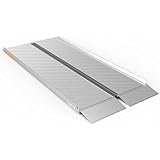 EZ-ACCESS Singlefold Wheelchair Ramp, 6 ft
Folds like a suitcase and carries in a car boot, so the same ramp handles the front step at home and the kerb at an appointment.
Check price on Amazon → Drive Medical Nitro Rollator with Seat
The seat matters more than the wheels. Being able to stop and rest is what decides whether someone still goes out at all.
Check price on Amazon → Vive Stand Assist Rail for Couch or Chair
Getting out of a low sofa is where most falls at home start. This is the cheapest thing on the list and often the first one needed.
Check price on Amazon →As an Amazon Associate we earn from qualifying purchases, at no extra cost to you. Researched guidance, not medical advice. Prices change, so check before buying.
Getting a Professional Assessment
Taking yourself out of the role of judge can help. A professional assessment provides objective data.
Options for Assessment
- Driver rehabilitation specialist: Occupational therapists with specialized training; can assess and recommend modifications or cessation
- AAA or hospital-based driving programs: Many offer senior driving assessments
- DMV evaluation: You can request the DMV evaluate your parent (can be done anonymously in some states)
- Doctor's assessment: Physicians can assess cognitive and physical ability and write a letter recommending cessation
- On-road driving test: Through driving schools or DMV
What Assessments Evaluate
- Vision, including peripheral vision
- Cognitive function (attention, memory, judgment)
- Physical abilities (strength, flexibility, reaction time)
- Medication effects
- Actual on-road driving performance
It's often easier for your parent to accept "the specialist says you shouldn't drive" than "I think you shouldn't drive." Professionals provide authority and remove the personal conflict from the decision.
Having the Conversation
Before the Talk
- Gather evidence of problems (but don't make it an attack)
- Have the conversation before a crisis, if possible
- Choose a calm, private moment
- Be prepared for resistance, this is a loss
- Have alternative transportation plans ready to offer
Approaches That May Work
- Express concern for others: "I'm worried about you accidentally hurting someone and having to live with that"
- Enlist the doctor: Ask the doctor to bring it up at an appointment
- Focus on specific problems: "You've had three fender benders this year" rather than "You're too old to drive"
- Offer alternatives: Show you've thought about how they'll maintain independence
- Acknowledge the loss: "I know this is hard. Giving up driving is a huge deal"
- Start gradually: "Let's try using the senior bus for a month and see how it goes"
What to Avoid
- Don't make it about their age
- Don't ambush them with multiple family members
- Don't threaten or issue ultimatums (unless safety demands it)
- Don't dismiss their feelings, this is a genuine loss
- Don't expect one conversation to resolve it
"Dad, I love you, and I'm worried. I've noticed some close calls lately, and I couldn't live with myself if something happened. Can we talk about getting your driving assessed? If everything checks out, great. But let's make sure we're being safe."
When They Won't Stop
What if they refuse to give up the keys despite clear evidence of unsafe driving?
Steps to Take
- Report to DMV: Most states allow family to report unsafe drivers; some allow anonymous reports
- Ask the doctor to report: In many states, physicians are required or encouraged to report unsafe drivers
- Disable the car: Remove battery, hide keys, disconnect spark plugs
- Sell the car: "The mechanic says it's not worth fixing"
- Report to insurance: May result in unaffordable premiums
- Legal intervention: If they have dementia, consider whether guardianship is needed
People with dementia often lack the judgment to recognize they can't drive safely. Reasoning won't work because the disease affects judgment. You may need to physically prevent driving through removing keys, disabling the car, or involving authorities.
Transportation Alternatives
Giving up driving doesn't mean giving up independence, but you need to have alternatives in place.
Options to Explore
- Family and friends: Create a schedule of available drivers
- Ride-sharing services: Uber, Lyft (some have senior programs); can set up the app for them
- Senior transportation services: Many areas have subsidized senior transport
- Public transit: Reduced fares for seniors; may need to teach them the routes
- Paratransit: Door-to-door service for those who qualify
- GoGoGrandparent: Service that allows booking rides without a smartphone
- Volunteer driver programs: Local nonprofits and faith communities
- Delivery services: Grocery delivery, pharmacy delivery, reduce need for errands
Making Alternatives Work
- Research what's available in their area before having the conversation
- Accompany them on first uses to build confidence
- Set up accounts and payment methods for them
- Create a simple guide with phone numbers and instructions
- Consider the costs, factor into budget planning
Not driving can actually be cheaper than owning a car when you add up payments, insurance, gas, maintenance, and parking. Some seniors find using ride services costs less, and they don't have to worry about the stress of driving.
After They Stop Driving
Watch for Isolation
Loss of driving can lead to depression and social isolation. Monitor for:
- Staying home more than usual
- Missing appointments or social activities
- Mood changes, withdrawal
- Loss of purpose or routine
Support the Transition
- Check in more frequently
- Encourage use of new transportation options
- Help them stay connected to activities
- Acknowledge the difficulty of the transition
- Celebrate maintained independence in other areas
Conversation Scripts
Our Difficult Conversation Scripts include word-for-word language for the driving conversation and other hard topics.
Get the Complete Caregiver Kit- Unsafe driving is a safety issue for everyone, not just your parent
- Watch for warning signs: new damage, getting lost, running lights
- Professional assessment removes you from the judge role
- Approach with empathy, losing driving is a significant loss
- Have transportation alternatives ready before the conversation
- If they won't stop voluntarily, you may need to involve authorities or disable the car
- Monitor for isolation and depression after driving cessation