Watching a parent lose interest in food is worrying. The parent who once loved cooking now picks at their meals. Weight drops. Clothes hang loose. You know something needs to change but aren't sure what's causing it or how to help.
Nutrition in older adults is complicated by physical changes, medications, depression, and practical barriers. Understanding these factors helps you find solutions that actually work.
Malnutrition in seniors increases fall risk, slows wound healing, weakens immune function, and accelerates cognitive decline. Good nutrition isn't just about weight, it affects their ability to stay healthy, independent, and mentally sharp.
Why Appetite Changes with Age
Physical Changes
- Taste and smell decline: Food literally doesn't taste as good
- Slower digestion: Feeling full faster, staying full longer
- Dental problems: Chewing becomes painful or difficult
- Swallowing difficulties: Fear of choking reduces eating
- Decreased thirst sensation: Dehydration is common
Medical Factors
- Medications: Many cause nausea, dry mouth, or altered taste
- Chronic conditions: Heart failure, COPD, cancer reduce appetite
- Depression: One of the most common causes of poor eating
- Dementia: Forgetting to eat, not recognizing food
- Pain: Chronic pain suppresses appetite
Practical Barriers
- Difficulty shopping: Can't get to store or carry groceries
- Cooking challenges: Too tired, unsafe, or physically difficult
- Eating alone: Less motivation to prepare meals for one
- Fixed income: Choosing between food and medications
- Vision problems: Can't read labels, see expiration dates
If your parent suddenly stops eating or loses significant weight rapidly, see a doctor promptly. Sudden changes can signal infection, new medication side effects, depression, or serious illness. Don't assume it's "just aging."
The equipment that changes the most
Most of what caregiving costs is time. These four are the purchases that reliably buy some of it back, and they are the ones families tell us they wish they had bought sooner.
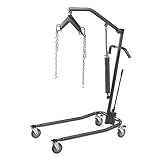 Drive Medical Hydraulic Patient Lift
A full lift is what makes one person able to manage a transfer alone. It is the single purchase that most often delays a move into residential care.
Check price on Amazon →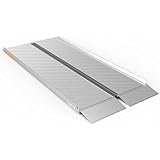 EZ-ACCESS Singlefold Wheelchair Ramp, 6 ft
Folds like a suitcase and carries in a car boot, so the same ramp handles the front step at home and the kerb at an appointment.
Check price on Amazon → Drive Medical Nitro Rollator with Seat
The seat matters more than the wheels. Being able to stop and rest is what decides whether someone still goes out at all.
Check price on Amazon → Vive Stand Assist Rail for Couch or Chair
Getting out of a low sofa is where most falls at home start. This is the cheapest thing on the list and often the first one needed.
Check price on Amazon →As an Amazon Associate we earn from qualifying purchases, at no extra cost to you. Researched guidance, not medical advice. Prices change, so check before buying.
Essential Nutrients for Seniors
Protein
Seniors need more protein than younger adults to maintain muscle mass and prevent frailty.
- Target: 1.0-1.2 grams per kilogram of body weight daily
- Sources: Eggs, dairy, fish, poultry, beans, nuts
- Tip: Include protein at every meal, not just dinner
Calcium and Vitamin D
Critical for bone health and preventing fractures.
- Calcium: 1,200 mg daily (dairy, fortified foods, leafy greens)
- Vitamin D: 800-1,000 IU daily (often requires supplement)
- Most seniors don't get enough of either from food alone
Vitamin B12
Absorption decreases with age; deficiency causes fatigue and cognitive issues.
- Found in meat, fish, eggs, dairy
- Many seniors need B12 supplements
- Ask doctor to check B12 levels
Fiber
Prevents constipation, which becomes more common with age.
- Target: 25-30 grams daily
- Sources: Whole grains, fruits, vegetables, beans
- Increase slowly and drink plenty of water
Hydration
Seniors often don't feel thirsty even when dehydrated.
- Target: 6-8 cups of fluid daily (adjust for conditions)
- Water, juice, milk, soup, watermelon all count
- Limit caffeine and alcohol (diuretics)
Dark urine, dry mouth, dizziness, confusion, constipation, and fatigue. Dehydration is common in seniors and can cause falls, UTIs, and hospitalization. Don't wait until they're thirsty, offer fluids regularly.
Practical Strategies
Make Food More Appealing
- Add flavor: Herbs, spices, citrus (not just salt)
- Improve texture: Softer foods if chewing is difficult
- Enhance appearance: Colorful plates, garnishes
- Serve smaller portions: Full plates can be overwhelming
- Offer favorites: Now isn't the time for new health foods
Make Eating Easier
- Pre-cut or bite-sized: Eliminate need for difficult cutting
- Finger foods: Easier than utensils for some
- Easy-open containers: Arthritis makes jars impossible
- Adaptive utensils: Larger handles, weighted silverware
- Good lighting: Being able to see food matters
Increase Calorie Density
When appetite is small, make every bite count:
- Add olive oil or butter to vegetables
- Use whole milk instead of skim
- Add cheese to everything appropriate
- Choose ice cream over low-fat yogurt
- Offer nutritious snacks throughout the day
Address Social Aspects
- Eat together: Meals with company increase intake
- Community meals: Senior centers, churches, congregate dining
- Meals on Wheels: Home-delivered meals with social check-in
- Make it pleasant: Nice plates, set table, no TV news
Easy Meal Ideas
High-Protein Breakfasts
- Scrambled eggs with cheese
- Greek yogurt with fruit and granola
- Oatmeal made with milk, topped with nuts
- Peanut butter on toast
- Cottage cheese with fruit
Simple Lunches
- Soup (bean, chicken, lentil) with bread
- Tuna or egg salad sandwich
- Grilled cheese with tomato soup
- Quesadilla with beans and cheese
- Chef salad with protein
Easy Dinners
- Rotisserie chicken (pre-made) with vegetables
- Fish (baked, pan-fried) with rice
- Pasta with meat sauce
- Stir-fry with tofu or chicken
- Slow cooker meals (stews, chili)
Nutritious Snacks
- Cheese and crackers
- Nuts and dried fruit
- Hummus with vegetables
- Hard-boiled eggs
- Smoothies (milk, fruit, protein powder)
- Avocado on toast
Smoothies can pack protein, calories, and nutrients into an easy-to-consume form. Blend milk or yogurt, banana, peanut butter, and a handful of spinach (they won't taste it). Add protein powder for extra nutrition. Keep frozen fruit on hand for convenience.
When to Consider Supplements
Generally Recommended
- Vitamin D: Most seniors are deficient
- Calcium: If dairy intake is low
- B12: Absorption decreases with age
- Multivitamin: As insurance, not replacement for food
Situation-Specific
- Protein supplements: If eating very little
- Ensure/Boost: For weight loss or illness recovery
- Fiber supplements: If constipation is chronic
- Omega-3s: If fish intake is low
Always check with a doctor before starting supplements. Some interact with medications (vitamin K with blood thinners, calcium with certain drugs). More isn't always better, excessive doses can be harmful. A doctor can check for actual deficiencies.
Special Situations
Dementia and Eating
- May forget to eat or that they've eaten
- May not recognize food
- Keep mealtimes consistent
- Offer one food at a time to reduce confusion
- Use contrasting colored plates (food visible)
- Finger foods become easier in later stages
Swallowing Difficulties (Dysphagia)
- Get evaluated by speech therapist
- May need thickened liquids
- Pureed or soft foods may be necessary
- Sit upright during and after meals
- Small bites, eat slowly
Diabetes
- Work with dietitian for personalized plan
- Consistent meal timing matters
- Balance carbohydrates throughout day
- Don't skip meals (blood sugar drops)
Heart Failure
- Fluid restrictions may apply (ask doctor)
- Low sodium is usually recommended
- Smaller, more frequent meals
- Weigh daily to monitor fluid retention
Getting Help
Community Resources
- Meals on Wheels: Home-delivered meals (mealsonwheelsamerica.org)
- Senior center meals: Low-cost congregate dining
- SNAP benefits: Food assistance for low-income seniors
- Food banks: Many have senior-specific programs
- Grocery delivery: Most stores now offer this service
Professional Help
- Registered dietitian: For complex nutrition needs
- Speech therapist: For swallowing problems
- Occupational therapist: For adaptive eating equipment
- Doctor: For underlying medical causes
Warning Signs: When Nutrition Signals Bigger Problems
Poor nutrition can be a symptom of:
- Depression: Loss of interest in food, eating alone
- Cognitive decline: Forgetting meals, spoiled food in fridge
- Financial stress: Skipping meals to afford medications
- Physical decline: Too weak to cook, difficulty shopping
- Medication issues: Side effects suppressing appetite
If weight loss is significant (more than 5% in a month or 10% in 6 months), see a doctor to rule out serious causes.
Nutrition Tracking Tools
Our Daily Care Log includes meal tracking, hydration monitoring, and weight tracking to help you spot nutrition problems early.
Get the Complete Caregiver Kit- Appetite changes with age are common but shouldn't be ignored
- Focus on protein, calcium, vitamin D, B12, and hydration
- Make every bite count, choose calorie-dense, nutritious foods
- Social eating improves intake significantly
- Supplements may help but should be discussed with a doctor
- Significant weight loss warrants medical evaluation
- Community resources like Meals on Wheels can help