Aging skin becomes fragile, dry, and prone to tears, breakdown, and slow healing. What would be a minor bump for a younger person can cause significant skin tears in elderly. Proper skin care prevents wounds, infections, and serious complications like pressure ulcers. Here's how to protect your parent's skin.
With age, skin loses collagen, fat, and oil glands. It becomes thinner (sometimes paper-thin), drier, and less elastic. Blood vessels are more fragile. Minor friction or pressure that would be harmless at 40 can cause tears and wounds at 80.
Daily Skin Care Routine
Bathing and Cleansing
Bathe Less Frequently
Full baths only 2-3 times per week, more strips natural oils. Sponge baths for face, hands, feet, and personal areas on other days.
Use Lukewarm Water
Hot water dries skin. Test with your wrist, should be comfortable, not hot. Shorter baths (10-15 minutes) preserve skin moisture.
Use Gentle Products
No bar soap, too drying and alkaline. Use soap-free, fragrance-free cleansers. Cetaphil, CeraVe, and Dove Sensitive are good options.
Pat, Don't Rub
Gently pat skin dry, rubbing causes friction tears. Leave skin slightly damp for moisturizing.
Moisturizing
The single most important thing you can do for aging skin is keep it moisturized.
- Apply immediately after bathing: within 3 minutes while skin is still damp
- Use cream or ointment, not lotion: heavier products protect better
- Apply twice daily: morning and evening minimum
- Don't skip the hands and feet: often neglected but crack easily
- Avoid fragranced products: can irritate sensitive skin
Good Moisturizers
- CeraVe Moisturizing Cream
- Eucerin Original Healing Cream
- Aquaphor Healing Ointment
- Vanicream Moisturizing Cream
- Cetaphil Moisturizing Cream
Ingredients to Look For
- Ceramides (repair skin barrier)
- Hyaluronic acid (holds moisture)
- Glycerin (humectant)
- Petrolatum (seals moisture)
- Dimethicone (protective layer)
The equipment that changes the most
Most of what caregiving costs is time. These four are the purchases that reliably buy some of it back, and they are the ones families tell us they wish they had bought sooner.
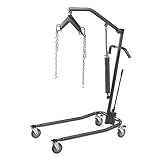 Drive Medical Hydraulic Patient Lift
A full lift is what makes one person able to manage a transfer alone. It is the single purchase that most often delays a move into residential care.
Check price on Amazon →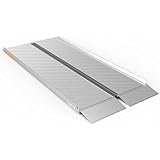 EZ-ACCESS Singlefold Wheelchair Ramp, 6 ft
Folds like a suitcase and carries in a car boot, so the same ramp handles the front step at home and the kerb at an appointment.
Check price on Amazon → Drive Medical Nitro Rollator with Seat
The seat matters more than the wheels. Being able to stop and rest is what decides whether someone still goes out at all.
Check price on Amazon → Vive Stand Assist Rail for Couch or Chair
Getting out of a low sofa is where most falls at home start. This is the cheapest thing on the list and often the first one needed.
Check price on Amazon →As an Amazon Associate we earn from qualifying purchases, at no extra cost to you. Researched guidance, not medical advice. Prices change, so check before buying.
Preventing Skin Tears
Skin tears are a serious problem in elderly, they can become infected and take weeks to heal.
Risk Factors
- Very thin, fragile skin (especially forearms, shins, hands)
- History of previous skin tears
- Blood thinners (warfarin, aspirin)
- Chronic steroid use
- Poor nutrition or dehydration
- Limited mobility (increases bump/scrape risk)
Prevention Strategies
- Long sleeves and pants: Light fabric protects vulnerable arms and legs
- Shin guards: Foam guards worn under socks protect shins from bumps
- Arm protectors: Sleeve covers protect forearms (common tear site)
- Remove hazards: Sharp furniture edges, exposed table corners
- Pad furniture: Corner protectors on tables, foam on bed rails
- Handle gently: No pulling or gripping arms during transfers
When Transferring or Moving
- Never grab or pull on arms: use gait belt around waist
- Lift, don't slide: sliding causes friction tears
- Use draw sheets to reposition in bed
- Keep nails trimmed: yours and theirs, to prevent scratches
- Remove jewelry that might catch or scrape
Clean gently with saline or water. If there's a flap, lay it back in place (don't trim it). Cover with non-stick dressing (like Telfa) and secure with paper tape (not adhesive bandages, they tear more skin when removed). Monitor for infection. Deep or large tears may need medical attention.
Preventing Pressure Injuries (Bedsores)
Pressure ulcers develop when skin is compressed against a surface for too long, cutting off blood flow. They can develop in hours and take months to heal.
High-Risk Areas
Sacrum/Tailbone
#1 site for bed-bound
Heels
#2 most common site
Hips
When lying on side
Shoulders
When lying on side
Elbows
Resting on armrests
Back of Head
If always supine
Ears
From oxygen tubing
Ankles
Bones pressing together
Prevention Protocol
Reposition Every 2 Hours
If in bed, turn side to side and back on schedule. If in chair, shift weight every 15-30 minutes or stand briefly.
Use Pressure-Relieving Surfaces
Special mattresses (foam, air, alternating pressure) distribute weight. Wheelchair cushions. Heel protectors that float heels off bed.
Keep Skin Dry
Moisture from incontinence or sweating increases breakdown risk. Change wet briefs immediately. Use barrier creams.
Inspect Skin Daily
Check all bony prominences for redness, warmth, or changes. A red area that doesn't fade when pressed is Stage 1, needs immediate intervention.
See our complete guide: Pressure Ulcers (Bedsores): Prevention & Care
Managing Dry, Itchy Skin
Severe dry skin (xerosis) affects most elderly. It causes itching, cracking, and increases infection risk.
Symptoms of Dry Skin
- Rough, scaly appearance
- Flaking or peeling
- Itching (sometimes severe)
- Red, irritated patches
- Fine cracks (especially heels, hands)
- Skin that looks "ashy" or dull
Treatment
- Humidifier: Add moisture to indoor air, especially in winter
- Increase fluids: Hydration from inside helps skin
- Thick moisturizers: Apply liberally, multiple times daily
- No scratching: Leads to wounds; pat or apply cold compress instead
- Oatmeal baths: Colloidal oatmeal soothes itching
- Medical evaluation: Rule out thyroid, kidney, or liver problems if severe
Common Skin Problems in Elderly
Purpura (Bruising)
Purple/red discoloration from fragile blood vessels and blood thinners. Usually harmless but unsightly. Prevention: protect skin from bumps. Not much can be done once it occurs, fades over weeks.
Fungal Infections
Common in skin folds (under breasts, belly folds, groin). Red, itchy, sometimes with satellite spots. Keep folds dry; antifungal powder or cream. May need prescription treatment.
Shingles (Herpes Zoster)
Painful, blistering rash in band pattern. Medical emergency, needs antiviral medication within 72 hours to reduce severity. Vaccine available for prevention.
Skin Cancer
Watch for: new growths, changing moles, non-healing sores, pearly bumps. Elderly have highest rates due to sun exposure over lifetime. Regular skin checks by dermatologist recommended.
Daily Skin Inspection
Make skin checks part of bathing or dressing routine:
- Look at all skin: including back, buttocks, between toes
- Note any redness that doesn't fade when pressed
- Check for cuts, tears, or bruises
- Look for rashes or changes in existing spots
- Check feet carefully: especially for diabetics
- Document changes: take photos to track
Signs of infection: increasing redness, warmth, swelling, pus, red streaks, fever. Also call for: wounds that won't heal, rapidly spreading rashes, painful blisters (shingles), or any concerning skin changes.
Get the Complete Care Binder
Daily care checklists including skin inspection, plus wound tracking sheets and caregiver logs.
Explore Caregiver Resources